


Lip filler pain: how much does it hurt, and how is anesthesia done?
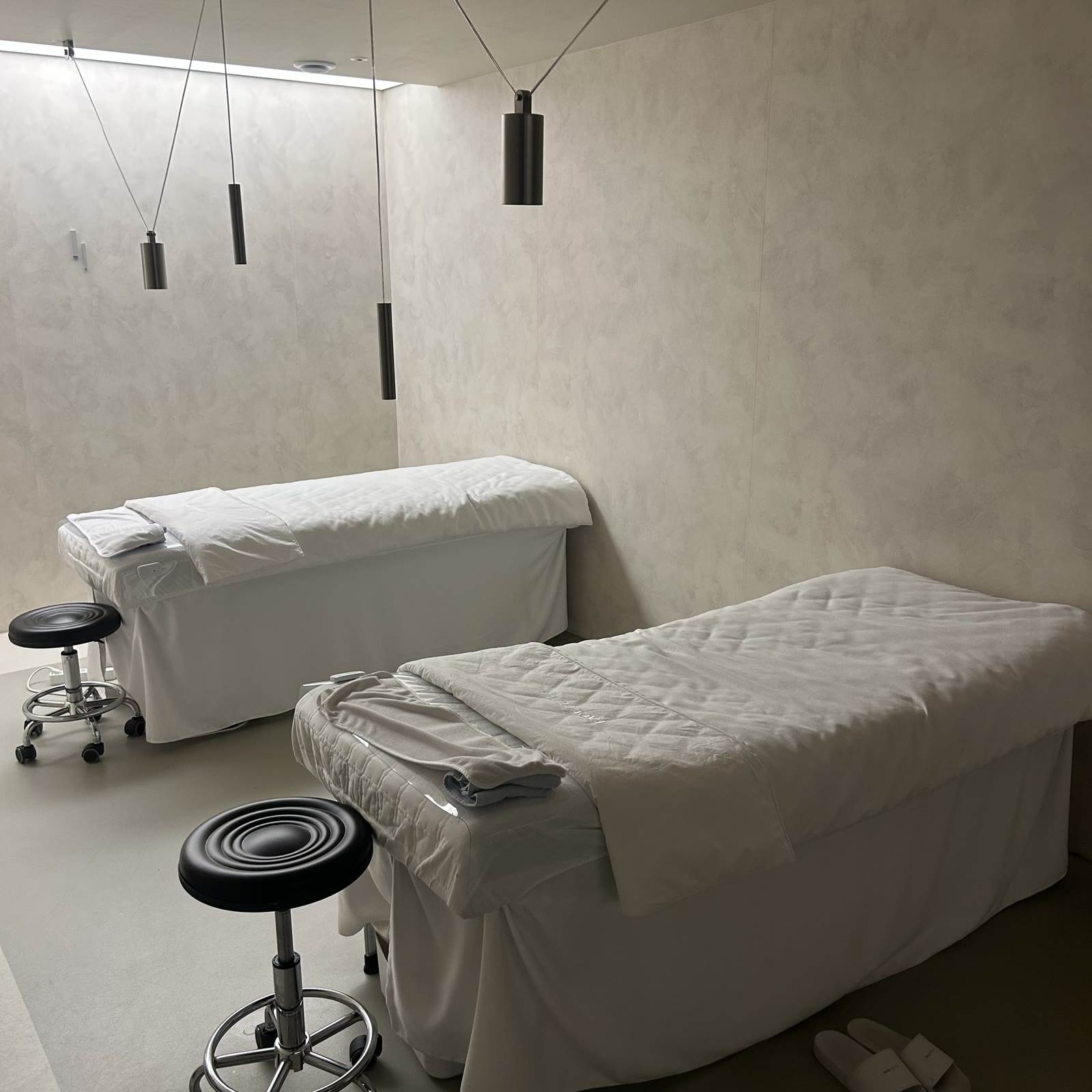
Lip filler pain tends to feel stronger than filler in other areas of the face. This is because sensory nerves are densely packed in the lips, so you feel the sting of the needle and the pressure of the filler going in more sharply. For that reason, numbing cream is applied, and local anesthesia is added if needed, to reduce the pain before treatment.
Why lip filler pain is stronger
The red part of the lips has thin skin and many nerve endings, so even small stimuli feel strong. Areas that shape the lips, such as the lip border, the corners of the mouth, and the central fullness, require the needle to be inserted several times, so the stinging is repeated.
The sense of pressure as tissue stretches when the filler goes in is also part of the pain. The more filler is injected at once, the more a heavy, bursting feeling may increase.
Anesthesia to reduce lip filler pain
- Numbing cream anesthesia involves applying anesthetic cream to the lips and surrounding skin, waiting for a set time, and then wiping it off.
- Local anesthesia involves injecting a small amount of anesthetic around the nerves that supply the lips, and it is sometimes added for people who are sensitive to pain.
- Filler products mixed with lidocaine numb the area as they are injected, which may help reduce stinging.
At FACE FILTER Clinic Suwon, filler proceeds in this order: a personalized consultation and pre-treatment photos, numbing cream or local anesthesia, design, disinfection, treatment, and post-treatment photos.
Pain and precautions after treatment
When the anesthesia wears off, your lips may throb and feel swollen, and bruising, swelling, pain, or a foreign-body sensation mostly settle within one to two weeks. Take the prescribed medication consistently for 3 days to prevent infection and relieve pain, and avoid heavy drinking, smoking, and saunas for 3 to 7 days.
If the pain keeps getting worse even after taking the prescribed medication, or if your lips turn white or purplish and blisters or warmth appear, please contact the clinic right away. If you frequently get lip herpes or have a history such as antibiotic allergies, please let us know before treatment.
Filler side effects in Suwon: how can you recognize vascular problems and nodules?
View Filler Treatment Information
FAQ
Q. How many days does lip filler pain last after treatment?
A. The needle pain mostly disappears once the treatment is over, and after that, only some throbbing along with swelling remains for a day or two. If the pain gets worse day by day or your lip color changes, a blood vessel may be blocked, so please contact the clinic right away.
Q. Does filler pain differ by area?
A. Areas with dense nerves, such as the lips and the tip of the nose, tend to feel more stinging, while fleshier areas such as the cheeks and temples tend to feel less. Even in the same area, the sensation differs depending on the amount and depth injected and the tool used, such as a needle or cannula.
Q. Are there medications I should avoid before lip filler?
A. Aspirin, anti-inflammatory painkillers, blood thinners, and some supplements can make you bruise easily. Do not stop any medication on your own; instead, let us know before treatment, and our medical staff will review why you take it and decide the timing of treatment with you.
This content is provided as general treatment information and is not a substitute for diagnosis or treatment. Always consult a medical professional to decide whether and how to proceed with a treatment.