


Underarm laser hair removal in Suwon: is it true that you sweat more afterward?
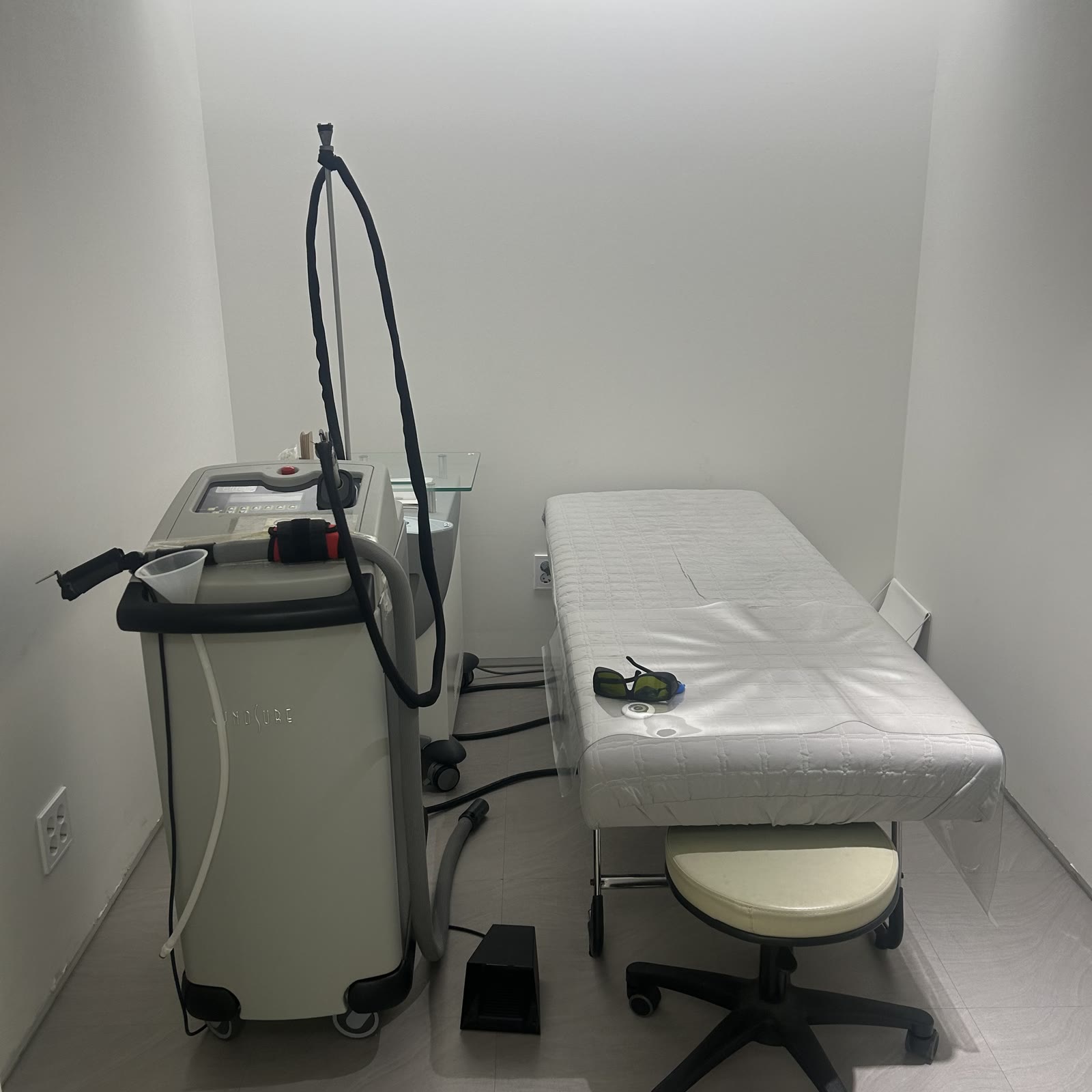
If you have been looking into underarm hair removal but hesitate after hearing that you sweat more afterward, it is worth first checking what the laser targets. Underarm laser hair removal is a treatment in which the black pigment in the hair absorbs light and transfers heat to the hair root, so it does not act to change the number or function of the sweat glands that produce sweat.
The reason you may feel you sweat more after underarm hair removal is usually not a change in the amount of sweat but a change in how the sweat stays on the skin. However, if your clothes get so wet that daily life becomes uncomfortable, it may be pre-existing hyperhidrosis that has become noticeable, so we check for it separately. At our Suwon clinic, during consultation we first look at hair thickness and density, skin color, and whether you have tanned recently, and if you also have sweat concerns, we check for hyperhidrosis as well before deciding the treatment area.
In this article, we go through how laser hair removal affects sweat glands, why you may feel you sweat more and signs of hyperhidrosis, the treatment process, aftercare, and side effects by area.
Key points about underarm hair removal
- Laser hair removal targets the melanin in the hair and follicles, and sweat glands, which have almost no pigment, do not absorb the light.
- With the hair no longer holding and spreading sweat, the same amount of sweat runs directly down the skin, so it feels like more.
- If you get large sweat stains on your clothes regardless of the weather, we check separately for hyperhidrosis.
- Sessions are continued in line with the hair growth cycle, and underarm hair removal at our Suwon clinic is set in units of 5 sessions.
Does underarm laser hair removal affect the sweat glands?
Laser hair removal works by having the melanin pigment in the hair and hair root absorb light and turn it into heat, which weakens the follicles that produce hair. Sweat glands contain almost no pigment, so they do not absorb the light, and they sit separately in the deeper layers of the skin with a structure different from that of hair follicles.
The underarms have eccrine glands, which produce clear sweat that lowers body temperature, and apocrine glands, which produce sweat containing proteins and fats that can cause odor. Typical hair removal laser settings do not target either type of sweat gland, so underarm hair removal itself is not a treatment that increases or decreases sweat.
Why you may feel you sweat more after underarm hair removal, and how to tell it apart from hyperhidrosis
The changed sensation after hair removal and pre-existing hyperhidrosis have different causes, so they are handled differently. The table below separates the two cases.
| Category | Changed sensation after hair removal | Hyperhidrosis |
|---|---|---|
| Cause | The hair no longer holds and spreads sweat | Nerve signals that activate the sweat glands are transmitted excessively |
| How it appears | Sweat runs directly down the skin and reaches clothes quickly | Large stains form on clothes even on days that are not hot |
| Accompanying features | Coincides with sweaty seasons such as late spring and summer | Palms and soles also sweat a lot, or a family member has something similar |
| How to manage it | Breathable clothing and deodorant | Separate consultation for hyperhidrosis botox |
When sweat that used to dry slowly among the hairs touches the skin directly and is broken down by bacteria, odor may seem stronger than before. This change is a difference in how you perceive it rather than in the amount of sweat, so washing often and wearing breathable cotton clothing can help reduce it. Pause deodorant for a while right after treatment when the skin is sensitive, then resume.
How is underarm laser hair removal performed?
How two wavelengths are matched to hair and skin color
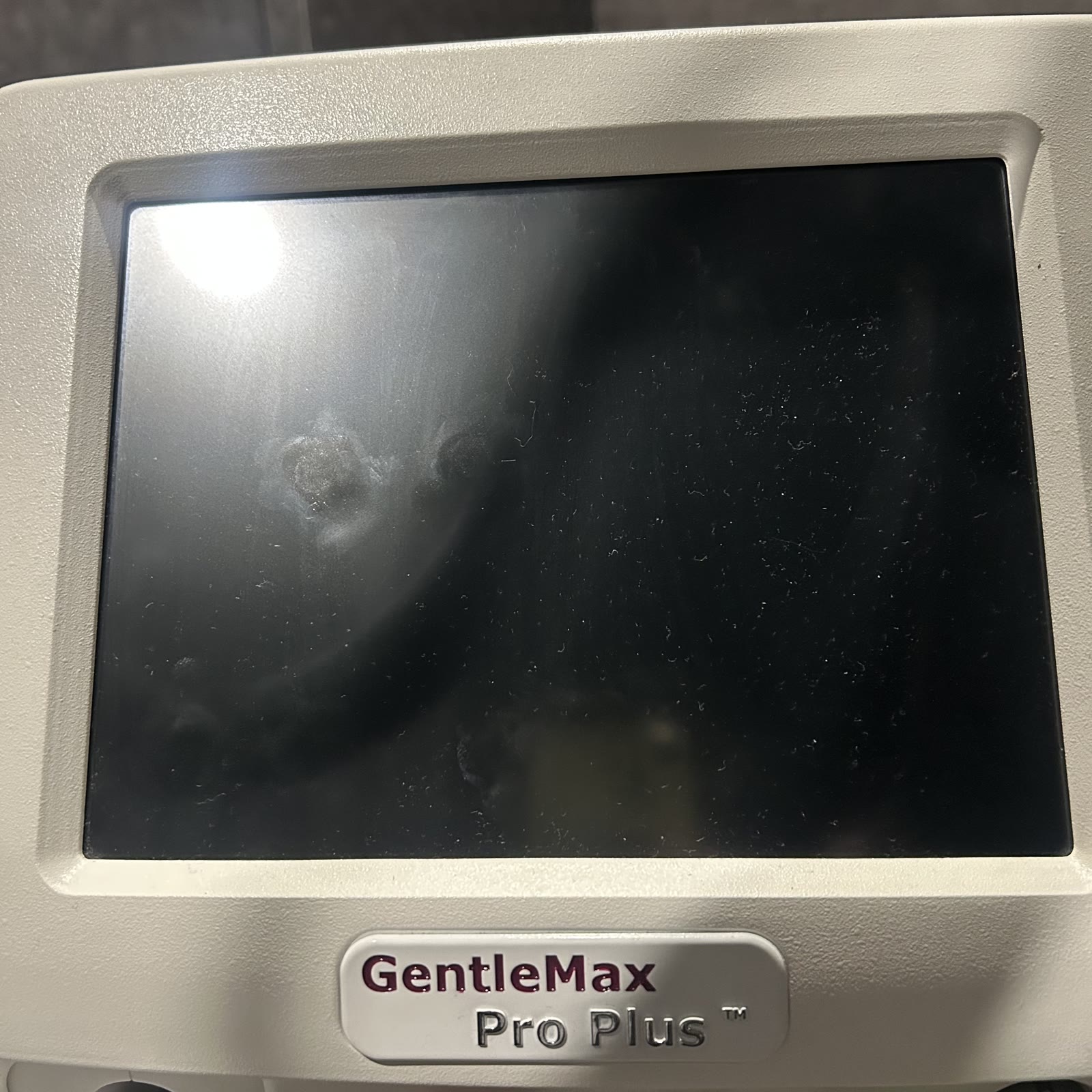
The GentleMax Pro Plus and Apogee Elite Plus at our Suwon clinic use two wavelengths: 755nm alexandrite and 1064nm Nd:YAG. The wavelength, spot size, and pulse settings are adjusted according to hair thickness, skin color, and the treatment area, and because the laser works on hair in the growth phase, sessions are repeated in line with the hair growth cycle.
Treatment steps at our Suwon clinic
- Through a medical consultation, we assess your skin condition, hair thickness and density, and treatment areas.
- The treatment area is prepared, and shaving is checked if necessary.
- Wavelength and energy settings are determined based on your skin type and hair condition.
- After protective equipment is put on, the laser is applied to the selected areas.
- After treatment, we check the skin's response and explain how to care for your skin, including moisturizing and sun protection.
Treatment time and recovery vary with the area, the coverage, and the skin's response, and the number of sessions and intervals needed vary with each person's hair condition. Underarm hair removal is available in units of 5 sessions, and if there is also darkening of the underarms caused by shaving and friction, we separately discuss PicoSure partial toning.
See women's body hair removal details
If you sweat so much that it makes daily life uncomfortable, we plan hyperhidrosis botox as well. It is injected in about 10 minutes or less after numbing cream, sweating begins to decrease gradually from 2 to 3 days, changes are checked within 1 to 2 weeks on average, and it lasts 4 to 6 months depending on how much you normally sweat.
View Hyperhidrosis Botox Procedure Information
Care after underarm hair removal
- Avoid waxing or hair removal methods that pluck hair before treatment, and follow our medical staff's instructions on when to shave.
- On the day of treatment, avoid hot baths, saunas, strong friction, and exfoliation, and keep the skin moisturized.
- When you go out in sleeveless clothing, apply sunscreen to your underarms as well, and do not pluck hair that has been treated with the laser; trim it by shaving only.
- If you received underarm hair removal and hyperhidrosis botox together, avoid heavy drinking, smoking, saunas and jjimjilbang (Korean bathhouses), hot baths, and strenuous exercise for 3 to 7 days, and avoid strong massage for one month.
Hair treated with the laser does not fall out right away but is pushed out and sheds over time, so it may look as if it is growing back. Hyperhidrosis botox temporarily blocks the sweat glands, so when the effect wears off, it is repeated at intervals of at least 3 months.
Side effects and precautions for laser hair removal by area
Common reactions in all areas are redness and swelling around the hair openings, a feeling of heat, and stinging, which subside over time. In rare cases, blisters, burns, or pigment changes in which the treated area becomes darker or lighter may occur, and reactions vary from person to person depending on hair thickness and skin color. Please let us know before treatment if you have recently had strong sun exposure or tanned, or if you are taking oral acne medication or medication that makes you sensitive to light.
The points to be careful about also differ by area. The underarms have a lot of sweat and friction, so folliculitis resembling small pimples may form at the hair openings after a few days, and on the beard and philtrum, where hair is thick and dense, redness and folliculitis may last longer than on other parts of the face. Fine, light hair such as facial vellus hair may, in rare cases, become thicker or increase after heat stimulation, and around the eyebrows we use protective equipment so the light does not reach the eyes and limit the treatment area.
If discomfort continues, such as blisters forming, redness and pain that do not ease and get worse, or pus-filled bumps spreading, do not pop them; please contact the clinic.
What do we check before underarm hair removal?
In these cases, start by having your hair and sweat condition checked
- After shaving, my underarms sting or are left with dark marks.
- Even on days that are not hot, underarm sweat leaves stains on my clothes.
- My palms or soles also tend to sweat a lot.
- I have tanned or gotten a lot of sun in the past month or two.
If two or more of these apply, it is best to first check your hair, skin color, and whether you have hyperhidrosis before starting underarm hair removal. Whether to proceed, the method, and the scope of treatment are decided together during consultation after an examination by our medical staff.
In short, underarm laser hair removal does not target the sweat glands, so the key is to distinguish a changed sensation from hyperhidrosis and continue sessions in line with the hair growth cycle.
FAQ
Q. Does underarm hair removal really make you sweat more?
A. Laser hair removal targets the pigment in the hair and does not act to change the number or function of sweat glands. When there is less hair, its role in holding sweat disappears, so the same amount of sweat runs directly down the skin and may feel like more.
Q. I feel like my sweat smells more after underarm hair removal.
A. Sweat that used to stay among the hairs touches the skin directly and is broken down by bacteria, so the odor may seem stronger. Wash often and wear breathable clothing, and if you sweat so much that it makes daily life uncomfortable, we check separately for hyperhidrosis.
Q. Can laser hair removal also reduce underarm sweat?
A. A hair removal laser is not a treatment for reducing sweat, so it does not change the amount of sweat. To reduce sweat, we separately discuss hyperhidrosis botox, which temporarily blocks the signals to the sweat glands, and the effect varies with the amount of sweat produced.
Q. Can I get hyperhidrosis Botox and underarm hair removal together?
A. Hair removal acts on the hair follicles and hyperhidrosis botox acts on the signals to the sweat glands, so the two treatments can be planned together. Whether to have them on the same day or on separate days is decided during consultation based on your skin's response and schedule, and after treatment you follow the care period for both.
Q. What should I do if facial vellus hair seems to grow more after hair removal?
A. With fine, light hair such as facial vellus hair, in rare cases the hair may become thicker or increase after heat stimulation. If you notice such a change, we check it through an examination before the next treatment and reset the wavelength, energy settings, or method.
Q. How can I find out the cost of underarm laser hair removal?
A. The cost depends on the device, the treatment area, and the number of sessions. We provide the details after confirming during consultation whether only the underarms will be treated or other areas or hyperhidrosis botox will be added, and you can also check the items by area on the treatment information page.
This content is provided as general treatment information and is not a substitute for diagnosis or treatment. Always consult a medical professional to decide whether and how to proceed with a treatment.