


Underarm Hyperpigmentation in Suwon: How Can Laser Toning Help It Fade?
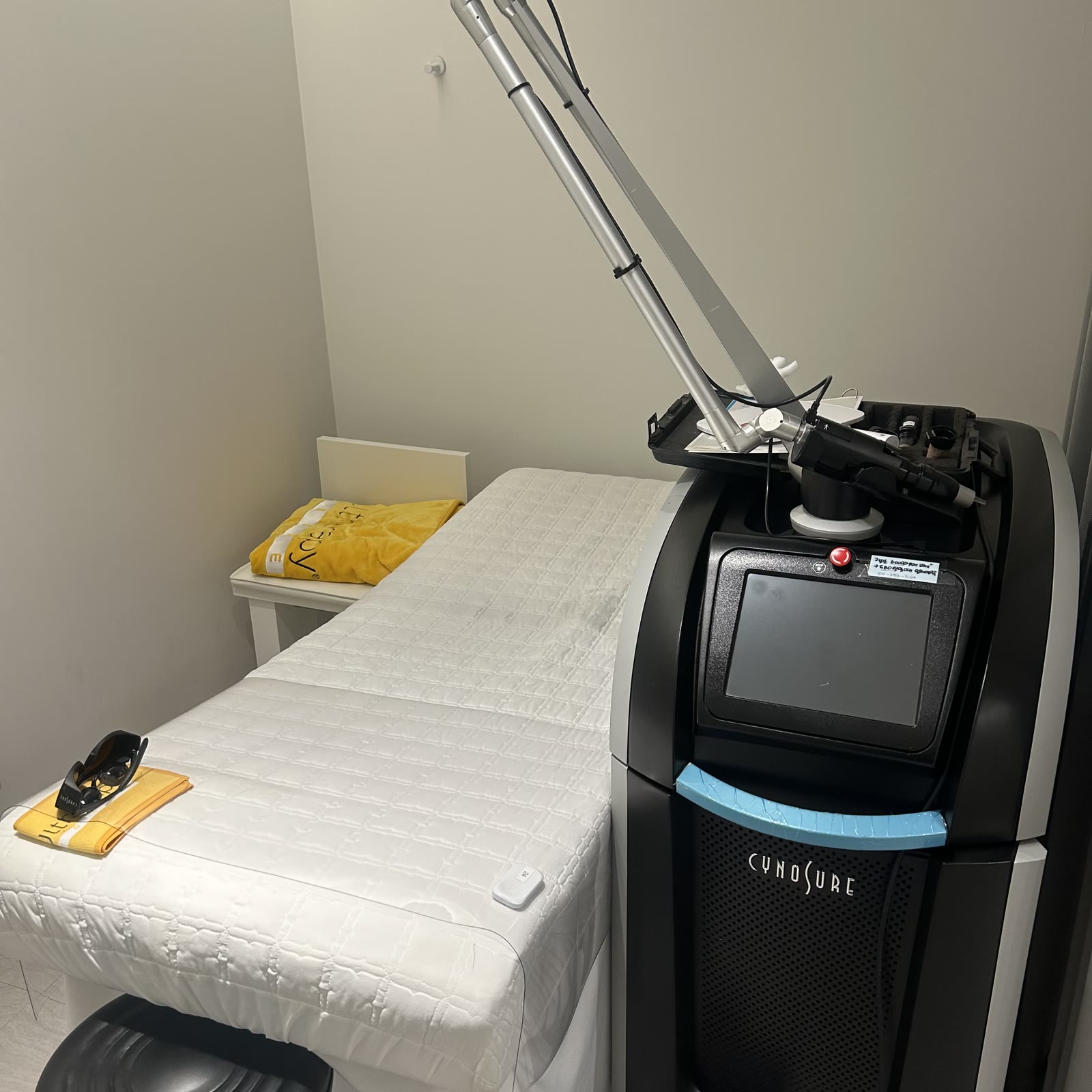
If your underarms look dark every time you wear a sleeveless top and it bothers you, it is worth first checking why the underarm hyperpigmentation developed. Underarm hyperpigmentation is a condition in which melanin builds up in the area as friction, hair removal irritation, and minor inflammation repeat, making the skin look darker.
Laser toning is a treatment that breaks accumulated pigment into tiny pieces so the body can gradually clear it, so rather than brightening all at once, sessions are spaced 1 to 2 weeks apart while changes are observed. If the irritation that created the pigment continues, color builds up again in the faded areas, so shaving and friction need to be reduced as well. At our Suwon clinic, we first look at the location and extent of the pigmentation, how long it has been there, and your hair removal method during the consultation, and then set up a toning plan.
This article walks through why the underarms and elbows darken, how pigmentation differs by area, how laser toning works and the treatment process, recovery and lifestyle care, and side effects.
Key Points on Underarm Hyperpigmentation
- Underarm hyperpigmentation results from repeated minor inflammation caused by friction, shaving and waxing, and deodorants that do not suit your skin.
- Brightening creams are used to address shallow pigment and dead skin, and for deeply accumulated pigment, laser toning is also considered.
- PicoSure toning is generally planned as 5 to 10 or more sessions at 1- to 2-week intervals.
- If frequent shaving is the cause, reducing irritation with laser hair removal is also an option to consider.
Why does underarm hyperpigmentation develop?
The underarms are where skin rubs against skin whenever you move your arms, and where clothing and bra straps make contact. When friction repeats, the skin thickens its outer layer to protect itself, and each time minor inflammation comes and goes, a little melanin is left behind.
Shaving, waxing, and depilatory creams repeatedly create tiny wounds and inflammation, and dark hair roots showing through after shaving also make the area look darker. If a deodorant with strong alcohol or fragrance does not suit you, the skin may redden and then leave pigment behind.
If the underarms and back of the neck darken in a thick, rough, velvety way, it may not be simple pigmentation but a skin change related to weight or blood sugar. In this case, an examination to check the cause is needed before toning.
How does hyperpigmentation differ between the underarms and elbows?
| Area | Main source of irritation | Skin characteristics |
|---|---|---|
| Underarms | Skin rubbing against skin, shaving and waxing, deodorant | Thin, folds, and sweats a lot |
| Elbows and knees | Pressure and friction from leaning on a desk or kneeling | Thick outer layer, and pigment does not fade easily |
| Groin and below the buttocks | Friction where skin touches skin, tight clothing | Thin and prone to trapping moisture |
Brightening creams and exfoliating products are used to address shallow pigment and thick dead skin in the epidermis. However, they have difficulty reaching pigment that has settled deep from long-term repeated friction and inflammation, so even with consistent use, they often stop at a slight fading. Scrubbing off dead skin or rubbing hard with scrubs can actually add friction and increase pigment.
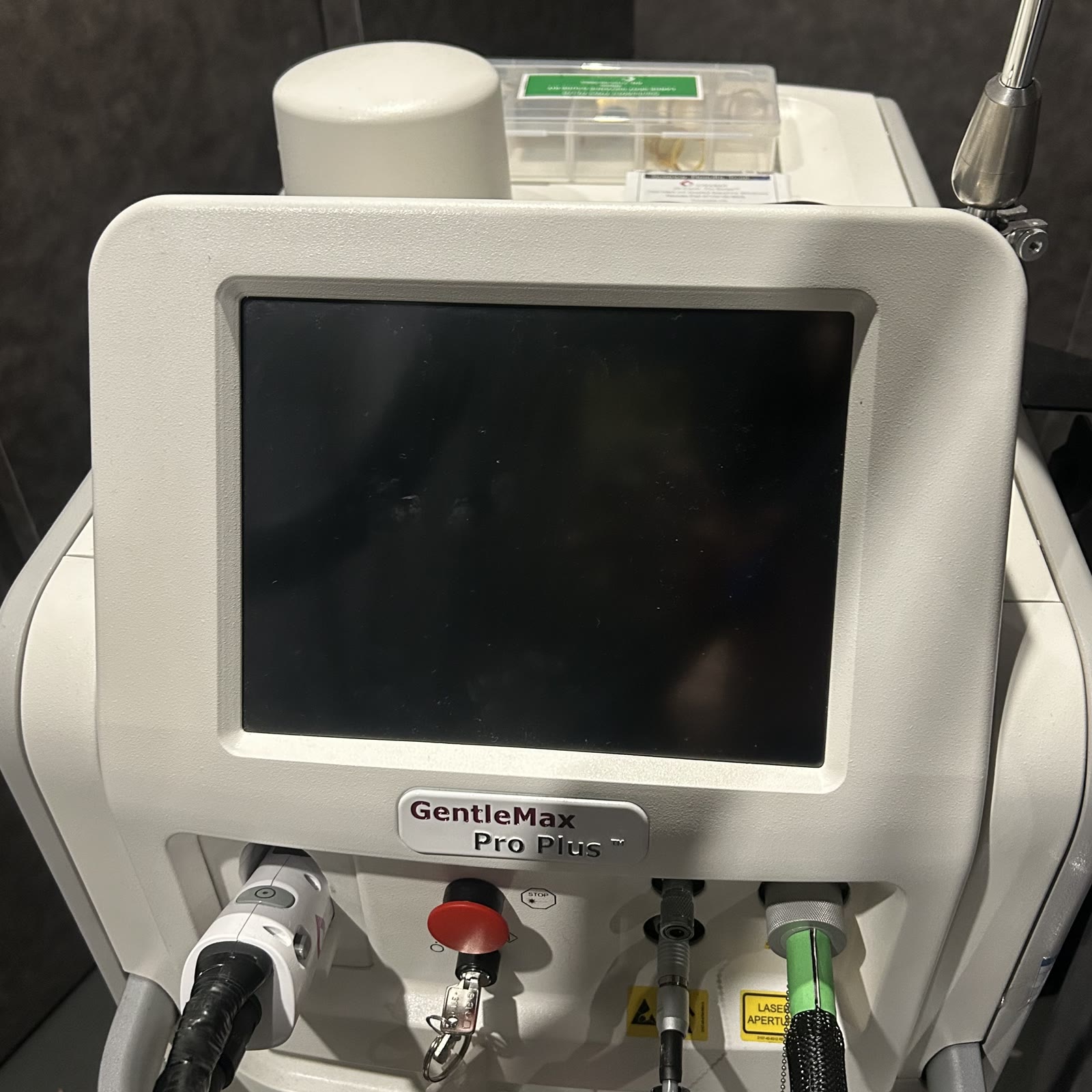
How is laser toning for underarm hyperpigmentation performed?
How Laser Toning Works
Toning uses a laser at a wavelength that melanin absorbs well, applied broadly at low energy. PicoSure is a 755nm picosecond laser that delivers energy in an extremely short instant to break pigment into tiny pieces and help the body clear them over time. In thin, folding areas like the underarms, trying to remove pigment all at once with high energy can cause burns or darkening, so low energy is used over several sessions.
The energy and number of passes are adjusted differently for the thick-skinned elbows and the thin-skinned underarms, and for darker skin tones, treatment starts at lower energy and is increased while watching the reaction. If frequent shaving is causing the pigmentation, underarm laser hair removal is also considered; with less hair, you shave less often, which also reduces irritation.
Treatment steps at our Suwon clinic
- Personalized Consultation
- Self-Cleansing
- Treatment
- Finishing Care
PicoSure toning is performed without anesthesia in about 10 minutes or less, and you can return to daily life right after treatment. Because results vary with skin condition, sessions are generally planned as 5 to 10 or more at 1- to 2-week intervals. The underarms, backs of the knees, and elbows are covered by partial toning in 1, 5, or 10 sessions; the groin and perineal area by separate partial toning; and the back and chest by full toning. There is also a 5-session package for underarm hair removal.
See PicoSure toning treatment details
Recovery and Care After Toning for Underarm Hyperpigmentation
- After treatment, avoid heavy drinking, saunas and jjimjilbang, hot baths, and strenuous exercise.
- There may be slight redness and a burning sensation, but these soon ease.
- If scabs form, do not pick them off; let them fall off on their own.
- For about a week, avoid scrubs and peel treatments, and do not use retinol or functional whitening cosmetics.
- Since dryness may occur, apply moisturizer often, and apply sunscreen when going out.
Even areas that have faded with toning can darken again if irritation continues. It is best to wear breathable cotton clothing, shave with a clean razor in the direction of hair growth, and then apply moisturizer. Switch to a less irritating deodorant, and cut back on the habit of leaning your elbows on a desk for long periods.
Side Effects and Precautions for Underarm Laser Toning
After toning, the skin may become slightly red, feel hot, or tingle, and most of these soon subside. The treated area tends to become dry, and the degree of reaction and how quickly it brightens vary from person to person depending on skin tone and how long the pigmentation has been there.
Rarely, the color may temporarily darken or, conversely, lighten to white. These risks increase if strong friction and sweating continue during recovery or if scabs are forcibly picked off.
If blisters form, or if redness and stinging do not ease and keep getting worse, please contact the clinic.
What should be checked before toning for underarm hyperpigmentation?
If This Sounds Like You, Start with an Examination of the Cause of Pigmentation
- My underarm color has not changed even after months of using brightening cream.
- I shave or wax often, and afterward the skin turns red or stings.
- My elbows and knees are rough and have hardened with dark patches.
- My underarms and the back of my neck have darkened and thickened like velvet.
If two or more of these apply, it is best to first check the cause of the pigmentation and whether other skin changes are involved before starting toning. Whether to have treatment, which method to use, and how wide an area to cover are decided together in consultation after the medical team examines you.
In short, the key with underarm hyperpigmentation is to first reduce the irritation that created the pigment, then manage it by spreading toning over several sessions while watching for changes.
FAQ
Q. Can underarm hyperpigmentation be brightened with brightening cream alone?
A. Brightening creams are used to address shallow pigment and dead skin in the epidermis, so you can expect some fading. For pigment that has built up deeply from long-term repeated friction and inflammation, laser toning is also considered, and care to reduce irritation is continued.
Q. How many underarm toning sessions do I need?
A. Because results vary with skin condition, treatment is generally planned as 5 to 10 or more sessions at 1- to 2-week intervals. After several sessions, we compare with pre-treatment photos under the same lighting to look at changes in tone, and adjust the number of sessions based on the depth and duration of the pigmentation.
Q. Does underarm toning hurt?
A. You will feel tingling like a light snap of a rubber band, along with some heat. Because it is applied broadly at low energy, it is finished in a short time, and the level of discomfort varies by area, skin condition, and individual, so please let us know if you feel uncomfortable during treatment.
Q. Does hair removal reduce underarm hyperpigmentation?
A. If irritation from shaving and waxing is causing the pigmentation, laser hair removal reduces how often you shave and can help reduce new pigmentation. Pigment that has already built up is treated separately with toning, so the two are sometimes planned together.
Q. Is hyperpigmentation on the elbows and knees treated the same way?
A. The elbows and the backs of the knees are also treated with PicoSure partial toning. Because these areas have a thick outer layer and are subjected to pressure and friction for long periods, moisturizing often and cutting back on leaning on desks makes it easier to maintain the results of toning.
Q. How can I find out the cost of toning for underarm hyperpigmentation?
A. The cost depends on the toning areas and number of sessions. We confirm during your consultation whether you want the underarms only, the elbows and knees as well, or hair removal added, and then explain the cost. You can also check the items for each area on our treatment information page.
This content is provided as general treatment information and is not a substitute for diagnosis or treatment. Always consult a medical professional to decide whether and how to proceed with a treatment.