


Swelling after Ulthera in Suwon: how many days does it last and how can it be reduced?
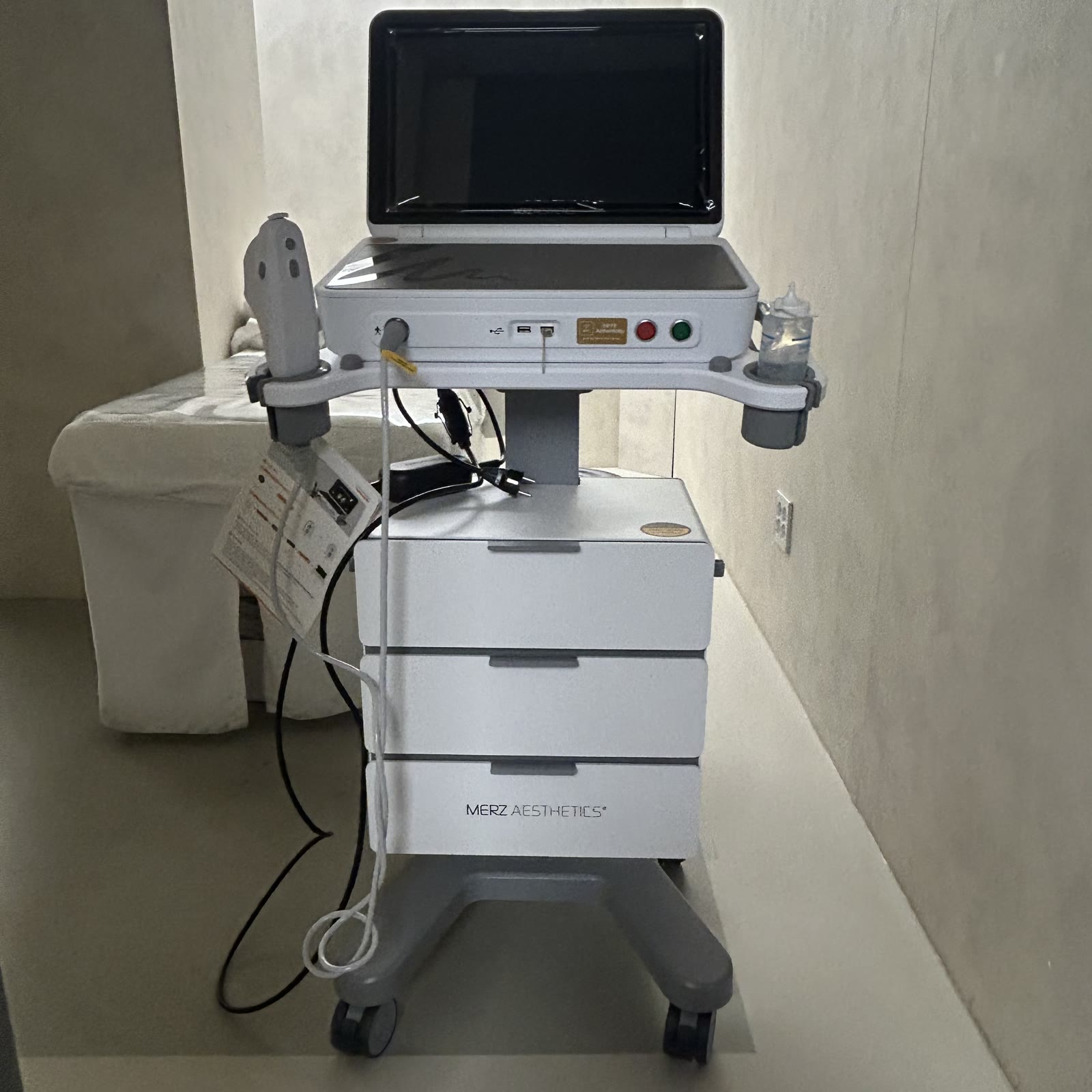
If your face feels heavy and swollen and your jaw feels stiff after Ulthera and you are wondering when it will settle, knowing which layer the swelling comes from makes it easier to gauge the progress. Swelling after Ulthera is a recovery reaction that occurs as ultrasound energy creates small thermal coagulation points in the SMAS layer and the deep dermis, and it tends to feel like heavy internal swelling inside the face rather than looking swollen on the outside.
Swelling after Ulthera is usually most noticeable in the first few days and then gradually decreases, and stiffness in areas close to bone such as the cheekbones and jaw sometimes lasts a little longer than the swelling. At our Suwon clinic, before the procedure we look at where the sagging is, skin thickness, and how prominent the bones are to decide the number of shots and how to distribute them by depth, and after Ulthera you can return to daily life, wash your face, and wear makeup right away.
In this article, we go through why swelling and stiffness occur after Ulthera, how swelling progresses day by day and signs that need an examination, the treatment process, care to reduce swelling, side effects, and what to check before the procedure.
Key points about swelling after Ulthera
- Swelling after Ulthera starts in the deep layers, so it feels heavier inside than it looks on the outside.
- Swelling is most noticeable in the first few days and then decreases, and tenderness near the bones may remain a little longer.
- You can wash your face and wear makeup right after the procedure, and for 3 days you should cleanse with lukewarm water and a gentle cleanser.
- Lifting changes continue gradually over 1 to 2 months, so results are not judged by how you look right after the swelling goes down.
Why does swelling and stiffness occur after Ulthera?
Ulthera focuses high-intensity focused ultrasound (HIFU) at a set depth rather than on the skin surface to generate heat. The tissue in the heated area contracts, and the body gathers blood and fluid to repair it, and this process shows up as swelling and tenderness.
Because the thermal coagulation points form in the SMAS layer and deep dermis, the skin surface stays relatively intact, and a pulling or heavy feeling inside comes first. If you also receive a radiofrequency treatment, surface redness and warmth are added, so outer swelling may be visible as well.
Soreness is pain that occurs when tissue the energy has passed through is pressed, and it is felt more on the cheekbones and jawline, where the space between skin and bone is thin. If a spot was more painful during the procedure, tenderness also tends to linger longer at that spot afterward.
How does swelling after Ulthera change day by day?
By checking whether swelling and tenderness decrease as the days pass, you can gauge whether it is normal recovery or needs an examination. The common pattern is shown below, and the duration varies from person to person depending on the number of shots and skin condition.
| Period | Common signs | Signs that need an examination |
|---|---|---|
| On the day of treatment | Slight redness and a burning sensation, with a feeling that the face is a little swollen | Blisters or areas where the skin has turned white |
| First few days | Internal swelling is most noticeable, and the jawline looks less defined in the morning | Only one side is unusually swollen and getting worse |
| Around one week | Swelling clearly decreases, while tenderness when pressed remains | White line-shaped marks, with ongoing warmth |
| The following few weeks | Tenderness near the bones gradually fades | Numbness or an awkward feeling when moving the corners of the mouth continues |
It takes 1 to 2 months to stimulate new collagen production, so results are not judged by how you look right after the swelling goes down; the progress after that is also considered.
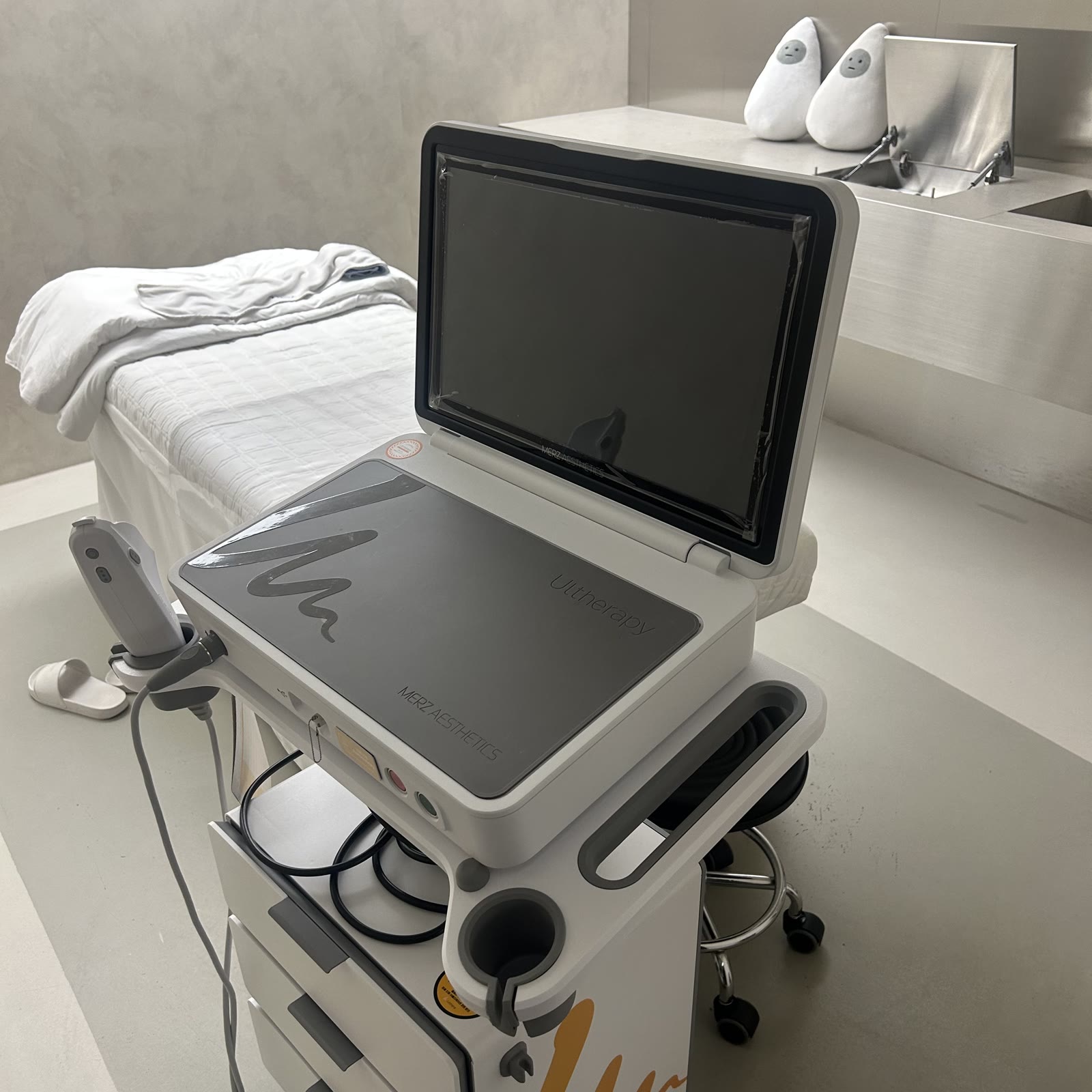
How is Ulthera performed?
How the number of shots and depth are decided
We decide the number of shots and how to distribute them by depth by looking at where the sagging is concentrated, the thickness of the skin and fat layers, and how prominent the cheekbones and jawbone are. Areas close to bone tend to have more pain and tenderness, so the energy is delivered in divided amounts, and if you tell us about pain during the procedure, we adjust the intensity and shot spacing in that area.
Treatment steps at our Suwon clinic
- Personalized Consultation
- Self-Cleansing
- Numbing Cream
- Treatment
- Finishing Care
The whole session takes about an hour, and you can return to daily life right after the procedure. Ultherapy Prime comes in 300-shot and 600-shot options, 1,200 shots can be split across two sessions, and there are also options combined with InMode FX, skin botox, Thermage FLX, and Tuneface. The effect lasts about 6 to 12 months, and the next session is planned on a cycle of 6 months to 1 year.
View Ulthera treatment information
Recovery care to reduce swelling after Ulthera
- You can wash your face and wear makeup right away, and for 3 days you should cleanse with a gentle cleanser and lukewarm water.
- For about a week, avoid saunas, alcohol, peeling treatments, and scrub products.
- Pay attention to sun protection and moisturizing, and include antioxidants such as vitamin C.
- While swollen, wrap a cold pack in a towel and apply it briefly, and raise your pillow slightly when you sleep.
It is best to cut back on salty food and alcohol until the swelling goes down. Postpone meridian massage and other massage that presses hard on the treated area until the swelling and tenderness have settled, and if you have an event where your face will be seen, such as a wedding or photo shoot, schedule it with enough time for the swelling to go down and the changes to continue.

Side effects and precautions for Ulthera
After the procedure, depending on the individual, temporary throbbing, slight swelling, bruising, or redness may appear for a few days. Bruising can occur where blood vessels run, and it is more likely if you take blood-thinning medication or supplements such as aspirin or omega-3. Results and reactions vary from person to person.
Rarely, white line-shaped marks (white stripes) may appear on the skin, which usually subside with prescription and care. Part of the skin may feel tingly or numb for a while, and those with very little facial fat may look hollow in the cheeks. Please let us know in advance if you are pregnant or breastfeeding, have inflammation or wounds in the treatment area, have a history of fillers or threads, tend to form keloids, or use a pacemaker.
If the swelling does not go down and only one side keeps getting worse, if blisters form or white line marks appear, or if awkward movement at the corners of the mouth or numbness continues for a long time, please contact the clinic right away.
What do we check before Ulthera?
In cases like these, first check the swelling and your schedule
- My cheekbones and jawbone are prominent, so I am worried about pain near the bones.
- I have little fat on my face, so my cheeks look hollow.
- I take blood-thinning medication or supplements.
- I have a wedding or photo shoot within a few weeks.
If two or more apply, it is best to check the thickness of your fat layer and your schedule before setting the Ulthera date and shot distribution. Whether to have the procedure, the method, and the number of shots are decided together in consultation after the medical team examines you.
In short, the key with swelling after Ulthera is checking that it decreases as the days pass and scheduling the procedure with some leeway around your plans.
FAQ
Q. Are there people who have almost no swelling after Ulthera?
A. The degree of swelling varies with the number of shots, the area, and the thickness of the skin and fat layers, so some people show almost no visible swelling. Less swelling does not mean less energy was delivered, and changes in the facial contour are observed gradually over 1 to 2 months.
Q. Can I go to work the day after Ulthera?
A. After Ulthera, you can return to daily life, wash your face, and wear makeup right away. Internal swelling tends to be less visible on the outside than it feels to you, but it is most noticeable in the first few days, so it is best to schedule events where your face will be seen, such as photo shoots, with some leeway.
Q. Is it okay if my jaw still feels stiff for weeks after Ulthera?
A. Tenderness in areas close to bone, such as the cheekbones and jaw, sometimes lasts longer than swelling, and if it fades as the days pass, it is regarded as a reaction during recovery. If it gets worse instead, or numbness continues for a long time, please get an examination.
Q. How long does bruising from Ulthera last?
A. Bruising can occur where blood vessels run, and it usually turns yellowish and fades over time. Bruising may be more likely if you take blood-thinning medication or supplements, so if you are taking anything, it is best to let us know before the procedure.
Q. Does swelling last longer if I get Ulthera and Thermage together?
A. Surface warmth and redness are added to the internal swelling of the deep layer, so you may look more swollen for the first few days. The way it settles tends to be similar, but it varies with the number of shots and skin condition, so if you have an event planned, please let us know in advance at consultation.
Q. How can I find out the cost of Ulthera?
A. The cost varies depending on the number of shots and the package you choose. We explain the number of shots and distribution by depth after checking where the sagging is and the size of your face at consultation, and you can also see the options by shot count on the treatment guide page.
This content is provided as general treatment information and is not a substitute for diagnosis or treatment. Always consult a medical professional to decide whether and how to proceed with a treatment.