


Ulthera Pain: How Much Does It Hurt, and How Can It Be Reduced?
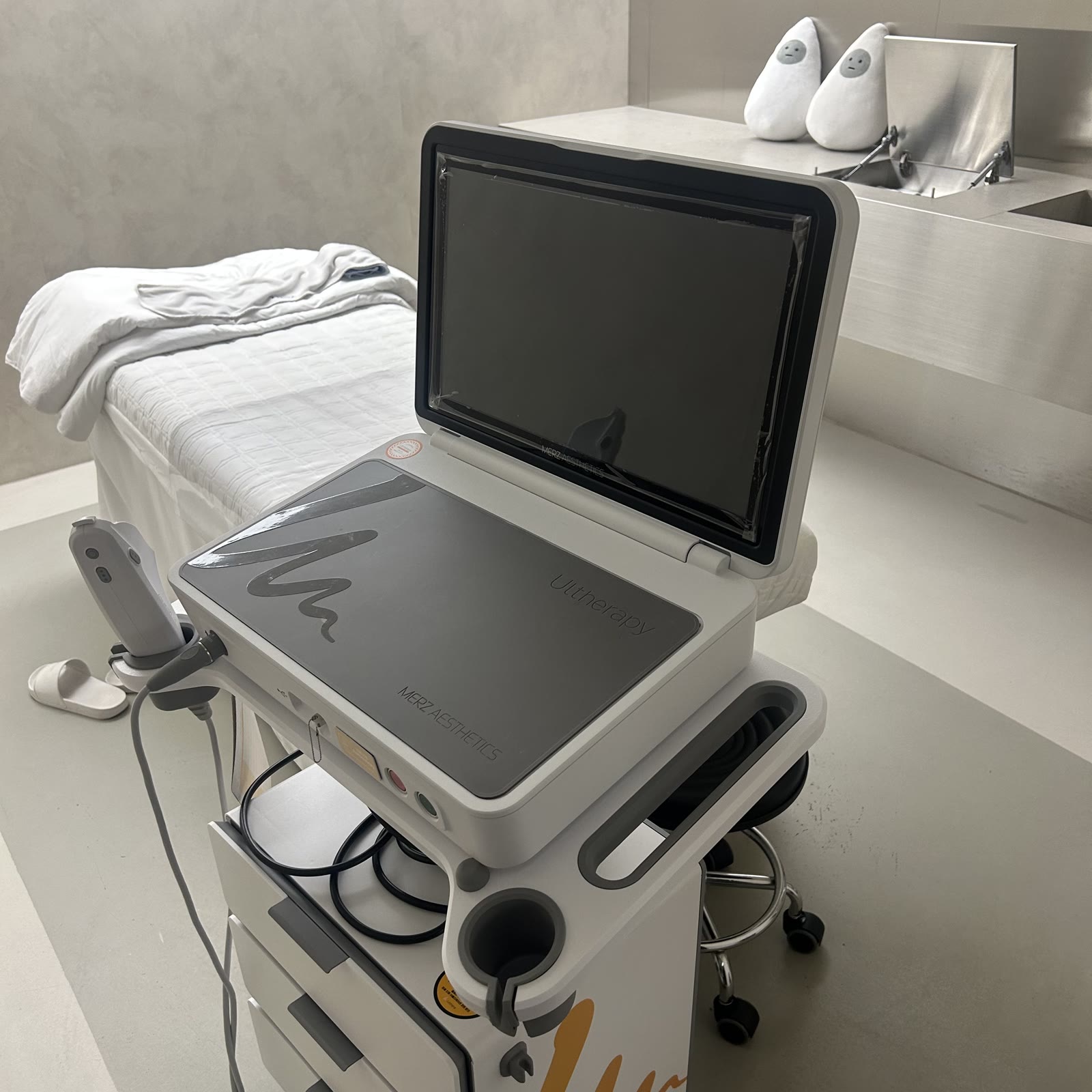
Ulthera pain is a tingling, reverberating sensation near the bone at the moment ultrasound heat gathers in the deep layers, and it is felt more strongly in areas where the flesh over the bone is thin, such as the jawline, cheekbones, and forehead. Treatment proceeds while reducing pain with topical anesthetic cream, cooling, and adjustments to energy and tips, and how much people can tolerate varies greatly.
Why does Ulthera cause pain?
Ulthera passes through the epidermis and focuses ultrasound on the fascia layer and deep dermis to create small thermal coagulation points. Because this heat reaches the depth where nerves run, the momentary pain is felt deeply, unlike with devices that warm the surface. Directly over the bone, there is an added sensation of the ultrasound reverberating near the periosteum, and pain tends to be greater in sections where the deep tip is used.
Ways to Reduce Ulthera Pain, and Sedation
Before treatment, anesthetic cream is applied and given enough time to take effect, and during treatment, shots are divided by lowering the energy or pausing in areas where pain is greater. Getting enough sleep the night before and discussing in advance whether you need a pain reliever can also help. Sedation involves administering a sedative intravenously, so it requires fasting, a companion, and recovery time, and the anesthesia method is decided during consultation after checking your health condition.
At our Suwon clinic, Ulthera is performed after topical anesthetic cream and takes about an hour in total.
Swelling after Ulthera in Suwon: how many days does it last and how can it be reduced?
View Ulthera treatment information
For a few days after treatment, your jaw and cheeks may throb or feel sore when pressed, and slight swelling and bruising may occur. If the pain gets progressively worse, white lines appear on the skin, or a feeling of numbness in part of the face lasts a long time, please contact the clinic. If you are pregnant or taking pain relievers or blood thinners, please let us know before treatment.
FAQ
Q. Does Ulthera pain continue after the treatment is over?
A. The tingling pain during treatment mostly disappears once the shots are finished, and afterward only a stiff feeling, like muscle soreness, remains for a few days. Pain when pressing the jawline may continue for a few weeks but gradually decreases; if it gets worse instead, see a doctor.
Q. Is sedation necessary for Ulthera?
A. Most treatments are performed with topical anesthetic cream and energy adjustment, and Ulthera does not necessarily require sedation. If you are very sensitive to pain or many shots are used over a wide area, sedation options can be discussed, and conditions such as fasting and recovery time are checked at the same time.
Q. Are there areas where Ulthera hurts less?
A. Areas with thick flesh and fat, such as the middle of the cheek, hurt relatively less, while areas where the skin over the bone is thin, such as the jawline, cheekbones, and forehead, tend to hurt more. Areas with greater pain are treated by switching to a shallow tip or lowering the energy, so please let us know right away how it feels during treatment.
This content is provided as general treatment information and is not a substitute for diagnosis or treatment. Always consult a medical professional to decide whether and how to proceed with a treatment.