


Trapezius botulinum toxin in Suwon: how does it work on the shoulder line and muscle tightness?
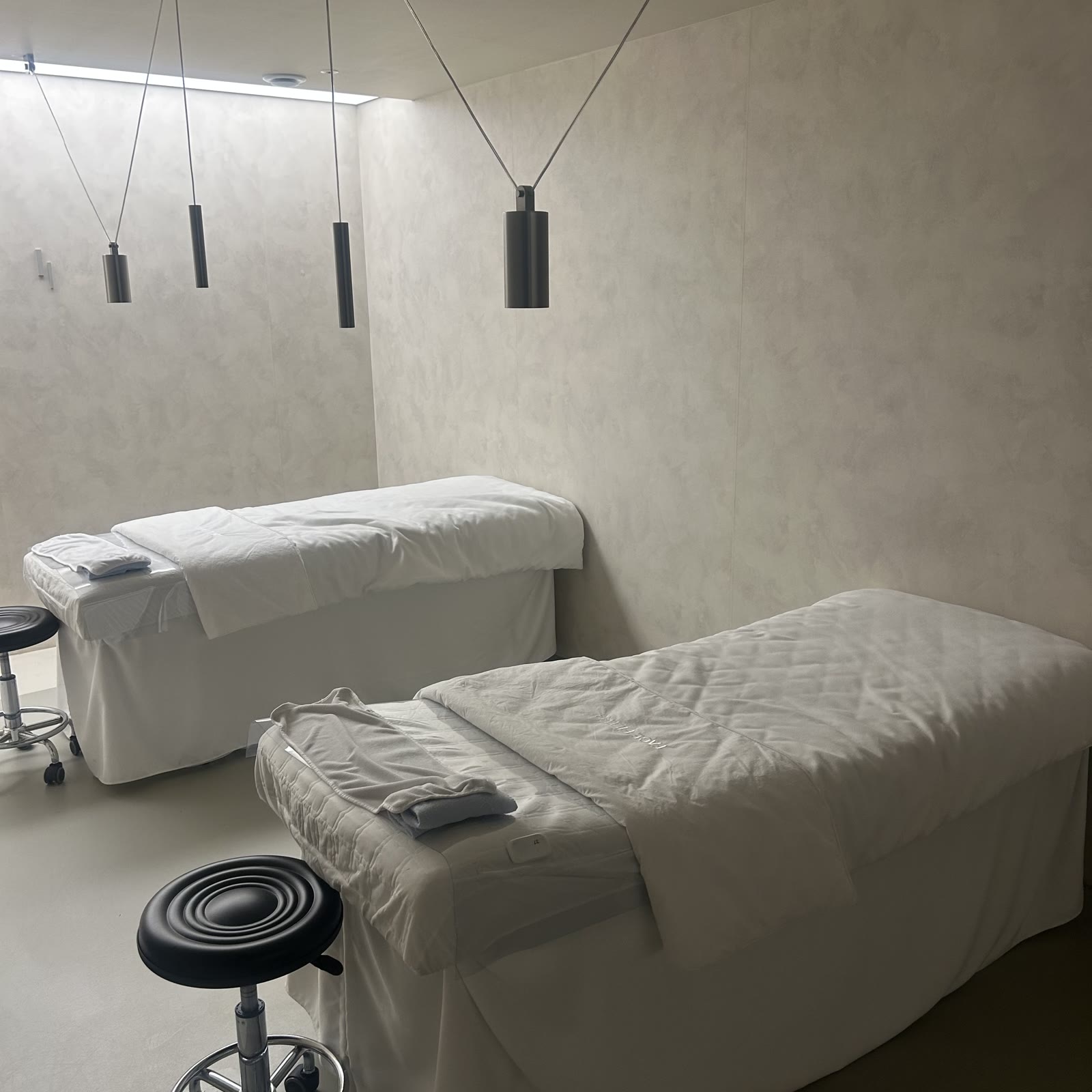
If your neck looks short and the tops of your shoulders seem raised, it is worth first checking whether the raised area is muscle or fat. Trapezius Botox is a procedure in which botulinum toxin is injected into the upper part of the trapezius, the muscle running from the back of the neck over the tops of the shoulders, to reduce the contraction signals sent to the muscle.
As the signals decrease and the muscle is used less over time, the muscle volume gradually becomes thinner, and through this process a change can be expected in the line running from the neck down to the shoulders. At FACE FILTER Clinic Suwon, the consultation begins by checking where the muscle rises firmly when you shrug and how the left and right sides differ, and the injection points are then designed.
This article covers, in order, why the trapezius becomes raised, how to tell muscle from fat, how trapezius Botox works and how the procedure is carried out, aftercare, and side effects.
Trapezius Botox: Key Points
- A forward head posture and a habit of tensing the shoulders make the trapezius thicker.
- If it rises firmly when you lift your shoulders, it is likely muscle; if it feels soft, it is more likely fat or a shape caused by posture.
- Trapezius Botox reduces muscle contraction signals; muscle volume begins to decrease gradually from about two weeks after the procedure, and the change continues over one to two months.
- The muscle gradually returns to its original size over three to six months, so for ongoing care the treatment is repeated every three to five months.
Why does the trapezius become raised?
The trapezius is a muscle that starts below the back of the head and broadly covers the shoulders and upper back, and it lifts the shoulders and supports the neck. When the head juts forward from sitting for long periods looking at monitors and phones, this muscle has to keep bearing the weight of the head, and it thickens as much as it is used.
Habits such as carrying a heavy bag on one shoulder, tensing your shoulders when nervous, and upper-body exercises with lots of shrugging motions also build up the trapezius. Muscle developed this way can make the neck look shorter and the upper body look wider, and it may also leave a constant feeling of tight stiffness.
How can you tell trapezius muscle from fat?
Even when the same area looks bulky, the approach differs depending on the cause. You can check by grasping it with your hand and raising and lowering your shoulders.
| Category | When touched | When you lift your shoulders | Main approach |
|---|---|---|---|
| When the muscle is well developed | Firm and thick | Rises firmly | Trapezius Botox |
| When fat has built up | Soft | Little change in shape | Consider approaches that address fat |
| When it stems from posture | The muscle feels shortened | The head is pushed forward | Combine with posture correction |
When tension in an overly contracted muscle decreases, the shoulders may also feel less stiff. However, if you also have numbness, pain radiating down the arm, or headaches, a cervical disc problem or other causes must be checked first, so please describe your symptoms in detail during the consultation.

How does trapezius Botox work?
How muscle signals are reduced and where injections are placed
Muscles contract when they receive a signaling substance called acetylcholine released from nerve endings, and botulinum toxin blocks the release of this signal so that the injected muscle cannot contract as strongly as usual. The loss of strength comes first, and the change in volume follows only after the muscle has been used less for some time. The phrase "getting rid of the trapezius" is often used, but in reality it is a process of thinning the muscle, and once the effect wears off and the muscle is used again, its volume gradually returns.
The thickness of the trapezius and its highest point vary from person to person and between the left and right sides. So we find where the muscle is thickest by having you raise and lower your shoulders, divide the injection points around that area so the product spreads evenly within the muscle, and ultrasound may also be used to check muscle thickness and depth while injecting. If the two sides differ in height, the dose is divided based on the more raised side.
Treatment steps at our Suwon clinic
- Personalized Consultation
- Design
- Disinfection
- Treatment
The procedure takes about 10 minutes, and you can return to daily activities right afterward. Trapezius Botox is performed with the 100u body Botox option, choosing one area among the trapezius, calves, and thighs. Muscle volume begins to decrease gradually from about two weeks after the procedure, with the change continuing over an average of one to two months, and the muscle gradually returns to its original size over three to six months, so for ongoing care the treatment is repeated every three to five months.
View body Botox procedure information
Aftercare for trapezius Botox
- For 3 to 7 days after treatment, avoid heavy drinking, smoking, saunas and Korean bathhouses, hot baths, and strenuous exercise.
- Do not rub the treated area hard, and avoid strong massage or meridian massage for one month.
- For a few weeks, lower the intensity of exercises that heavily use shoulder strength.
- Cut back on carrying a heavy bag on one shoulder and on postures that push your head forward.
If you have a fixed-date event such as a wedding or a photo shoot, it is best to start with plenty of time, considering the period over which the change unfolds. If this is your first treatment, planning to adjust the dose for the next session after seeing how much change occurred can reduce the chance of the shoulder line looking overly sunken.
Trapezius Botox side effects and precautions
Mild bruising and swelling may occur at the injection sites, but they are slight and soon subside. After the procedure you may feel tightness, some pain, and throbbing, which usually decrease within two to three days on average, and the degree of reaction varies from person to person.
Because this procedure reduces muscle strength, you may feel that your shoulders have less power when lifting heavy objects or doing exercises that raise your arms overhead. Rarely, the product may spread to surrounding areas and weaken the muscles around the neck, and repeating large doses at short intervals can cause the body to form antibodies that reduce the effect, so treatments are planned with proper intervals. If you are pregnant or breastfeeding, have a neuromuscular disease such as myasthenia gravis, or are taking medications that affect muscle signals, such as aminoglycoside antibiotics, please let us know before the procedure.
If you have difficulty swallowing, shortness of breath, trouble holding your head up, or drooping eyelids, please contact the clinic right away.
What should be checked before trapezius Botox?
In these cases, start with an assessment of trapezius thickness
- When you shrug, the muscles at the side of your neck rise firmly.
- From the front, your neck looks short and your shoulder line looks steep.
- The tops of your shoulders always feel stiff and knotted.
- You often sit for long hours looking at a monitor or carry a bag on one shoulder.
If two or more of these apply, it is best to first check whether the raised area is muscle or a matter of fat or posture. Whether to proceed, the method, and the extent of treatment are decided together during the consultation after examination by the medical team.
In short, the key to trapezius Botox is first determining whether the raised area is muscle, injecting according to the difference between the two sides, and continuing at proper intervals.
FAQ
Q. When do the effects of trapezius Botox become visible?
A. The feeling of reduced strength begins within a few days, and muscle volume starts to decrease gradually from about two weeks after the procedure, with the change continuing over an average of one to two months. The extent of change varies from person to person depending on muscle thickness and lifestyle habits.
Q. How long does one trapezius Botox treatment last?
A. It depends on muscle volume and lifestyle, but the muscle gradually returns to its original size over three to six months. If you habitually tense your shoulders or do a lot of upper-body exercise, it may feel shorter, so the next treatment is planned at three- to five-month intervals.
Q. Can men get trapezius Botox too?
A. Men can receive it as well. If the muscle has thickened from upper-body training, a larger dose may be needed for the same change, so we discuss your exercise routine and how much you use your shoulders, check the difference between the two sides, and then decide the dose and injection sites.
Q. When can I start exercising after trapezius Botox?
A. Avoid strenuous exercise for three to seven days after the procedure, and even after that it is best to lower the intensity of exercises that heavily use shoulder strength for a few weeks. What to adjust depending on the type and frequency of exercise is reviewed together during the consultation.
Q. Can I develop resistance if I get trapezius Botox often?
A. Repeating large doses at short intervals can cause the body to form antibodies that reduce the effect. That is why we keep to intervals of three to five months and decide the dose together after reviewing the number and intervals of previous treatments and whether you receive Botox in other areas.
Q. How can I check the cost of trapezius Botox?
A. The cost depends on the dose and the areas treated. Whether to treat only the trapezius or to plan it alongside other areas such as the calves or thighs is confirmed during the consultation, and the items for each option can also be found on the treatment information page.
This content is provided as general treatment information and is not a substitute for diagnosis or treatment. Always consult a medical professional to decide whether and how to proceed with a treatment.