


Thermage Pain: How Hot Does It Feel, and How Is Anesthesia Handled?
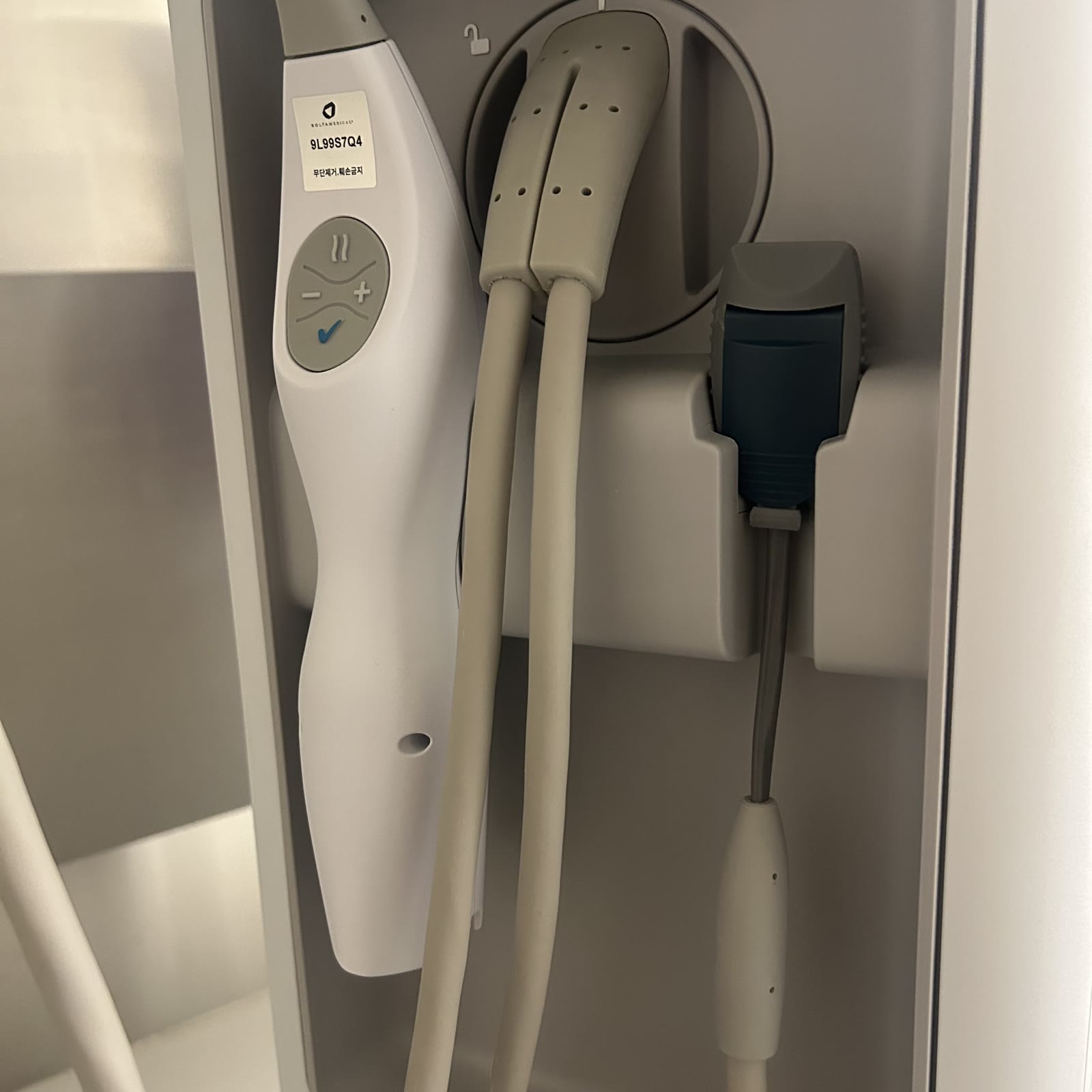
Thermage pain tends to be felt as a momentary heat that rises as radiofrequency energy warms the dermis, and it is felt more strongly in areas close to the bone, such as the forehead and jawline. Topical anesthetic cream is applied thoroughly before treatment, and the device's cooling and vibration functions are used to reduce the sensation of heat during treatment.
Why does Thermage cause pain?
Thermage FLX uses radiofrequency to deliver heat deep into the dermis, contracting collagen and stimulating regeneration. Each time the tip touches the skin, cooling first chills the epidermis and then radiofrequency warms the dermis, and a burning sensation occurs the moment this heat briefly concentrates. In the forehead, temples, and around the jawbone, where skin and fat are thin, heat gathers close to the bone and feels hotter, while areas with thicker tissue, such as the cheeks, tend to feel it less.
Ways to Reduce Thermage Pain
- Treatment begins after topical anesthetic cream has been applied for a sufficient amount of time.
- An automatic energy adjustment function helps deliver consistent energy suited to your skin condition.
- Cooling and vibration disperse the sensation of heat.
- If an area feels very hot, tell us during treatment and the energy level will be readjusted.
Sedation is a method in which treatment is performed while you are asleep under a sedative, so it is hard to tell us about the heat during treatment, and fasting and recovery time are needed separately. Whether it is possible and necessary is decided during examination and consultation.
At our Suwon clinic, Thermage FLX is performed after about 30 to 60 minutes of topical anesthetic cream and finished with soothing care after treatment.
Thermage in Suwon: what changes right after treatment and a few months later?
View Thermage FLX procedure information
On the day of treatment, avoid hot saunas, drinking, and strenuous exercise, and refrain from irritation such as peels and scrubs for a week. In rare cases, if redness or swelling persists or blisters form, contact the clinic, and if you are pregnant or have an electronic device in your body such as a pacemaker, you must let us know before treatment.
FAQ
Q. Does Thermage pain continue after treatment?
A. The heat during treatment disappears soon after the tip is lifted, and after treatment, a burning warmth and redness tend to remain for a few hours. Areas close to the bone may feel sore when pressed for a few days but gradually improve, and if the pain worsens day by day, contact the clinic.
Q. Does Eye Thermage hurt too?
A. The skin around the eyes is thin, so treatment is performed with a small tip different from the one used for the face, but the eyelids are sensitive, so stinging and heat may be felt. During treatment, the eyes are protected, and the energy level is adjusted while checking how it feels.
Q. Does a higher number of Thermage shots hurt more?
A. The number of shots refers to how many times the face is treated, so as treatment time gets longer, the number of times you need to endure increases. The heat of each individual shot is influenced more by the energy level and area than by the number of shots, and the level is adjusted for each area while watching your response.
This content is provided as general treatment information and is not a substitute for diagnosis or treatment. Always consult a medical professional to decide whether and how to proceed with a treatment.