


Lifting in Suwon: how is the device chosen based on the cause of sagging?
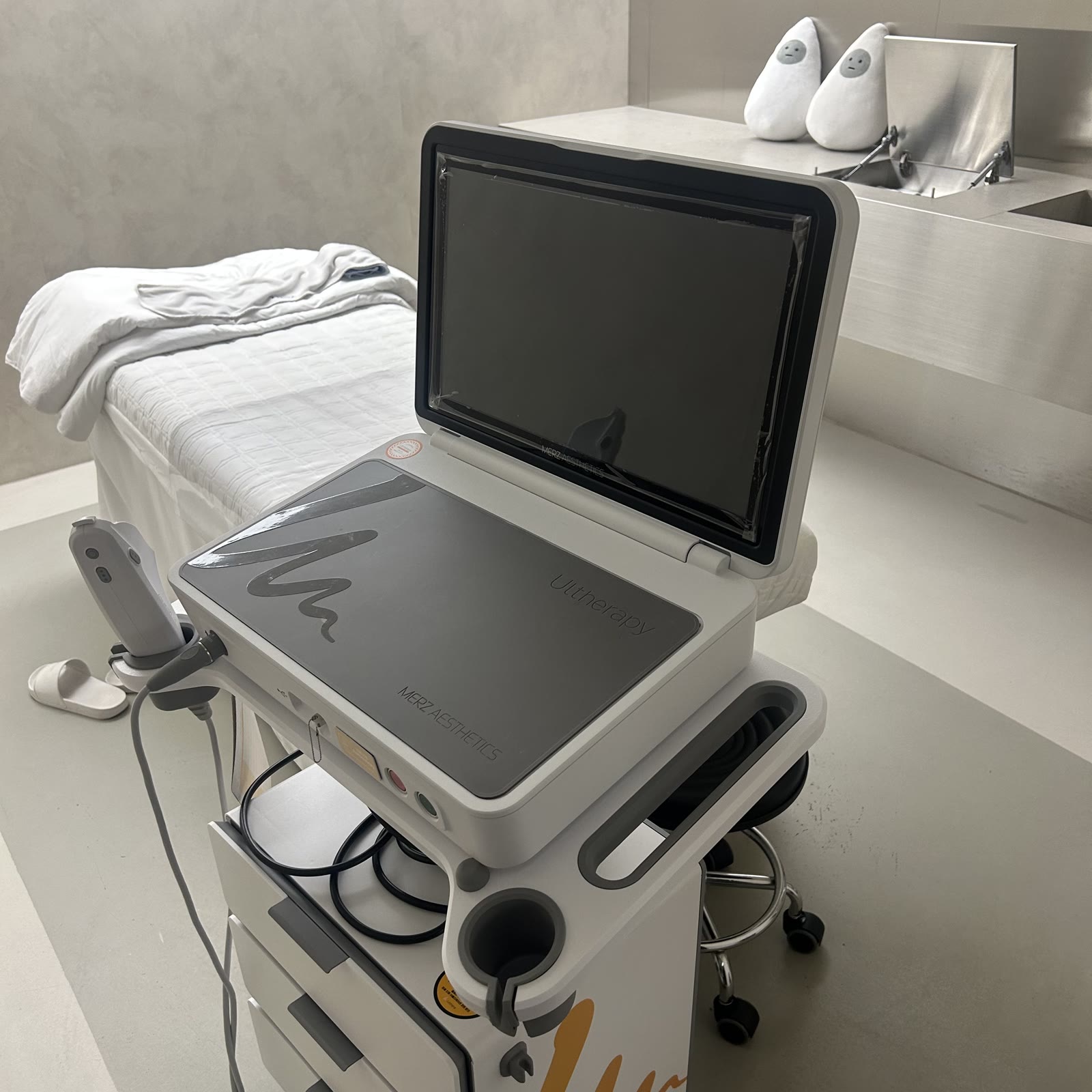
When looking into lifting in Suwon, what to look at before device names is which layer the sagging started in. Fine lines and laxity from thinning skin, jawline sagging from a descended fascial layer, a double chin and deep cheek fat with thick fat, and hollowness from volume loss each call for a different approach. If several causes overlap, we combine devices by layer.
By what principles are lifting devices in Suwon divided?
Ultrasound lifting focuses ultrasound on a single point within the skin to create small thermal coagulation points in the dermis and the fascial (SMAS) layer. Radiofrequency lifting broadly heats the dermis with the heat generated as electric current passes through tissue, and some devices also address the fat layer. Devices that use microwaves generate heat as energy is absorbed in the subcutaneous fat layer and dermis.
With any method, the heated collagen contracts, and new collagen is then produced over several weeks to several months. That is why we look at the tightness right after treatment and the change several months later separately.
Lifting in Suwon: what do we look at first for each cause of sagging?
If the jawline and cheeks appear to have descended, we first consider ultrasound lifting, which reaches the fascial layer. If the skin has thinned and fine lines and pores have increased together, radiofrequency lifting, which heats the dermis, may be a good fit. If fat feels thick when pinched under the chin, we also look at radiofrequency or microwave devices that act on the fat layer.
On a face where the cheeks and temples have hollowed and look saggy, delivering heat with devices may make the hollowness more noticeable. In that case, we first consider treatments that replace lost volume, or plan with reduced energy delivered to the fat layer.
At our Suwon clinic, we have Ulthera, Shurink Universe, LinearZ, Thermage FLX, Density, ALLTITE, InMode, ONDA, and Tuneface, and we decide the device and number of shots after assessing the layer of sagging, the amount of fat, and skin thickness.
Conditions to tell us about and precautions before lifting
Whether you have metal implants or threads in your face, whether you have an implanted electronic device such as a pacemaker, and whether you are pregnant all affect the choice of device, so be sure to tell us before treatment. If you recently had filler or skin booster injections, please also let us know when and where.
After treatment, redness, warmth, swelling, and dryness may appear and then subside, and results and recovery vary from person to person. For about a week, avoid saunas, drinking, and peels. If blisters form or swelling and pain gradually worsen, please contact the clinic.
Types of radiofrequency lifting in Suwon: which layers do ultrasound and microwave reach?
View Ulthera treatment information
FAQ
Q. Can I get two lifting devices together?
A. Devices that reach different layers, such as ultrasound and radiofrequency, are sometimes planned together on the same day. We decide whether to do them on the same day or separately based on skin thickness, the amount of fat, and your upcoming schedule, and we adjust the energy in overlapping areas.
Q. If I am getting lifting for the first time, what should be checked first?
A. We first check during examination the layer where sagging began, the amount of fat, and the degree of volume loss. Depending on whether there is a single cause or several overlapping ones, we decide whether to start with one device or combine two or more by layer.
Q. When do lifting results start to show?
A. Right after treatment, collagen contracts from the heat and you feel a tightening sensation, while the changes from new collagen production appear over several weeks to several months. That is why we check by comparing photos taken before treatment with your appearance several months later under the same lighting.
This content is provided as general treatment information and is not a substitute for diagnosis or treatment. Always consult a medical professional to decide whether and how to proceed with a treatment.