


Sculptra pain: how much does it hurt and how is anesthesia done?
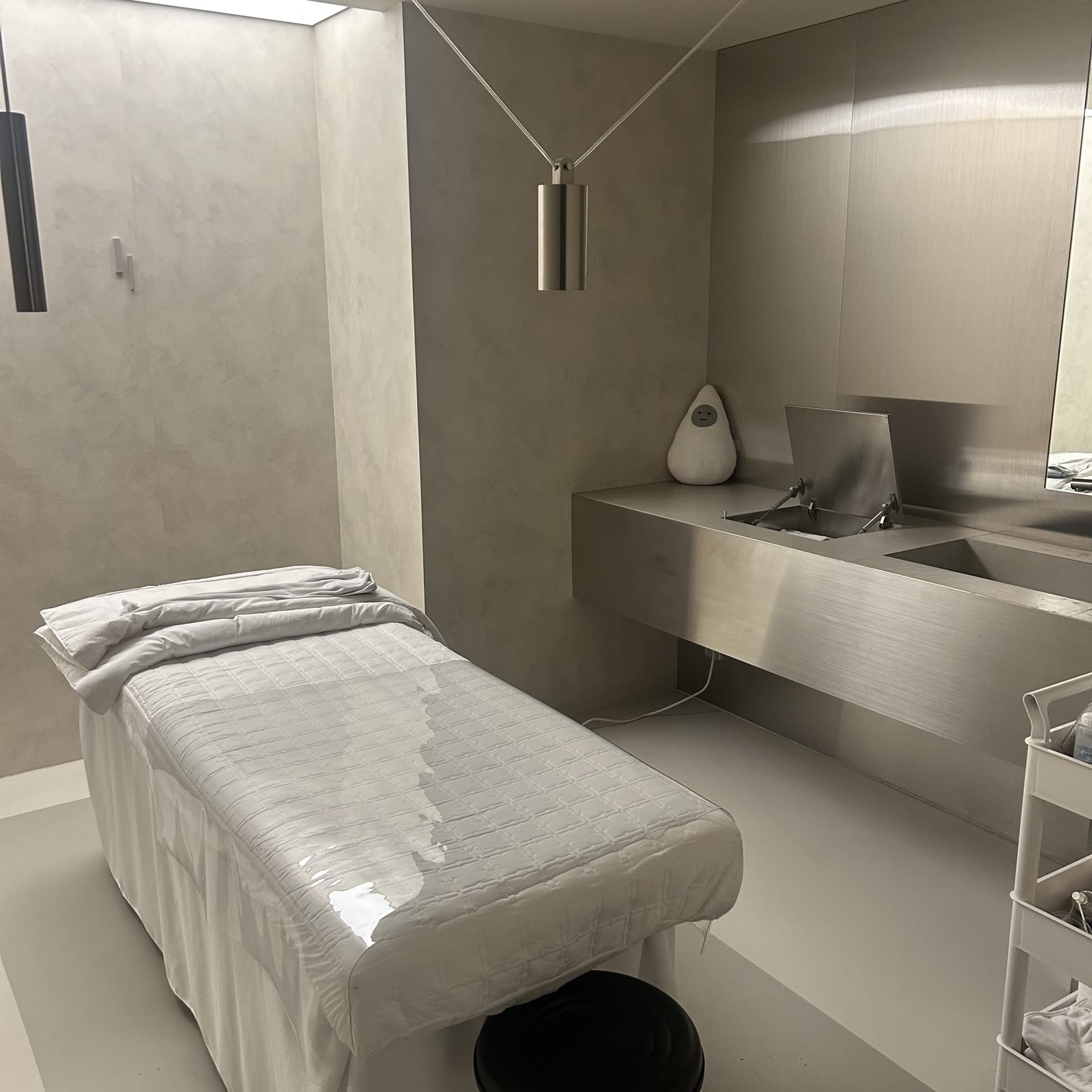
Sculptra pain is mostly a sting when the needle goes in and soreness as the material spreads, and since it is performed after numbing cream, it is not a procedure that continues at an unbearable level. However, areas close to bone, such as below the cheekbones or the temples, may feel more heavy pressure, so if you are sensitive to pain, it is best to let us know in advance during consultation.
Where does Sculptra pain come from?
Sculptra is a procedure in which PLLA (poly-L-lactic acid) is dissolved in water and spread widely into the deep layers of the skin. There is a sting the moment the needle or a blunt-tipped cannula passes through the skin, and pressure is felt as the material spreads between tissues. Since the material is more diluted than filler and spreads widely, it feels more like soreness over a broad area than pain at a single point.
It also varies by area. Places with thicker flesh, such as the front of the cheeks, are less sensitive, while places close to bone, such as the temples, below the cheekbones, and the jawline, may feel stronger pressure.
Anesthesia and treatment sequence to reduce Sculptra pain
At our Suwon clinic, after a personalized consultation and pre-treatment photos, numbing cream is applied for 20 to 40 minutes, and the procedure is performed after design and disinfection. The treatment takes about 15 to 30 minutes. If the pain increases during the procedure, let us know right away, and we will slow down or take short breaks as we proceed.
Right after treatment, a swollen feeling and heaviness may remain at the injection sites. Bruising, swelling, pain, and foreign-body sensation mostly ease within 1 to 2 weeks.
What should I do if Sculptra pain continues after treatment?
After treatment, gently massage for about 5 minutes at a time, 5 times a day, for at least 5 days so the particles spread evenly. It may feel sore when pressed for the first few days, but it is normal for this to decrease day by day. For 2 to 3 weeks, avoid putting strong pressure on the treated area, such as sleeping face down or on your side, or meridian massage.
If pain keeps getting worse or the skin turns white or dark red, a vascular problem needs to be checked, so contact the clinic right away. Allergic reactions or inflammation can rarely occur, so please tell us about any history of allergies and medications you are taking before treatment.
View Sculptra Treatment Information
FAQ
Q. How is Sculptra pain different from filler?
A. The type of pain is different. Sculptra spreads a diluted material widely, so a sore pressure is felt over a broad area, while filler involves a stronger pressing feeling as a single spot is filled. Both procedures are performed after numbing cream, and how much you feel varies from person to person.
Q. Can Sculptra pain be reduced with sedation anesthesia?
A. The anesthesia method listed in our Sculptra treatment information is numbing cream, which is applied for 20 to 40 minutes before the procedure. If you are worried about pain, let us know during consultation, and together we will decide on dividing the areas and taking breaks as we proceed.
Q. Is it normal for it to hurt when massaging after Sculptra?
A. For a few days after treatment, the injection sites are swollen, so massage may feel sore, and it is normal for this to decrease day by day. If, on the contrary, the pain increases, or you feel a hard lump and the area becomes red, an examination is needed, so please contact us.
This content is provided as general treatment information and is not a substitute for diagnosis or treatment. Always consult a medical professional to decide whether and how to proceed with a treatment.