


Rejuran Pain: Why Does It Sting, and How Can It Be Reduced?
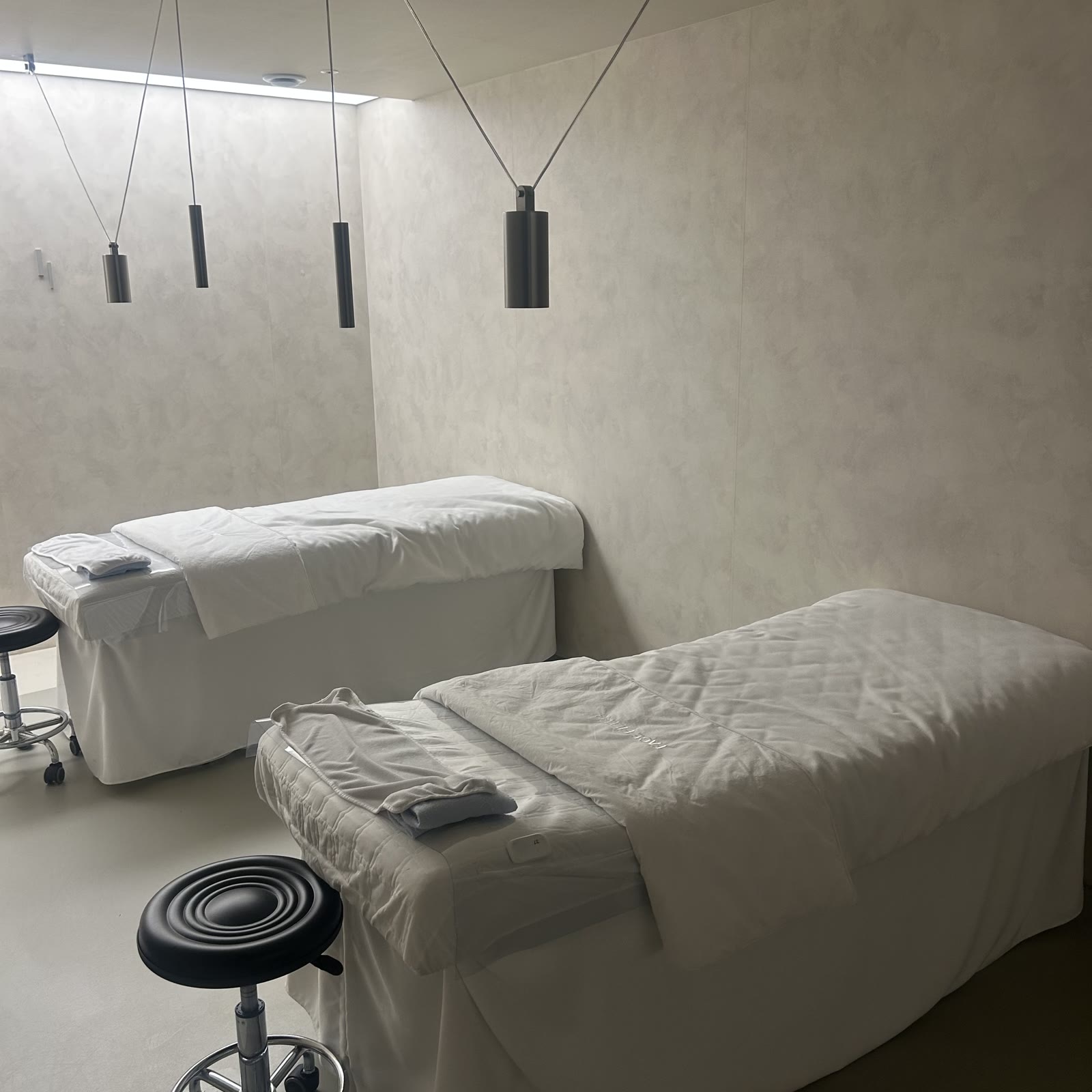
Rejuran pain comes from the method of injecting in many small portions across the whole face with a fine needle, and from the pressure as the viscous solution pushes into the dermis. When treatment is performed after enough topical anesthetic cream, most people feel it as stinging and a heavy pressure, but the areas around the eyes and mouth and areas near the bone may feel more sensitive.
Why does Rejuran cause pain?
Rejuran Healer is an injection that delivers PN directly into the dermis. Because it is injected in small portions at regular intervals rather than spread widely at once, the needle goes in many times, and a dull, heavy feeling comes along as the skin swells slightly while the solution goes in. The small bumps that form at the injection sites are also due to this process.
The sensation differs even within the same face. The thin-skinned areas around the eyes and forehead, the nerve-rich area around the mouth, and the cheekbones and jawline close to the bone are relatively sensitive, while fleshier areas such as the cheeks tend to feel less painful. On days when you lack sleep or are tense, the same treatment may feel more painful.
Ways to Reduce Rejuran Pain
- Topical anesthetic cream is applied for a sufficient amount of time before the injections begin.
- You can choose a product that contains lidocaine, a local anesthetic, such as Rejuran HB+.
- Let us know about sensitive areas in advance during treatment so the injection speed and order can be adjusted.
Sedation is a method in which a sedative is given intravenously and treatment is performed while you are asleep, so preparation such as fasting is needed, and separate time is required to wake up and recover after treatment. Whether it is possible and necessary is decided together during examination and consultation.
At our Suwon clinic, Rejuran Healer is performed after topical anesthetic cream, and the treatment takes about 15 to 30 minutes.
View Rejuran Healer Treatment Information
After treatment, injection marks and small bumps mostly subside within 1 to 3 days, and bruising or swelling fades within 1 to 2 weeks. If the swelling keeps growing or the feeling of heat and pain becomes severe, please contact the clinic, and if you are pregnant or breastfeeding or allergic to fish-derived ingredients, you must let us know before treatment.
FAQ
Q. Is Rejuran i (eye) more painful than facial Rejuran?
A. The skin around the eyes is thin and the nerves are sensitive, so the stinging tends to feel stronger even with the same amount injected. Products for the eye area have smaller particles and lower viscosity and are injected densely in small amounts, and since treatment is performed after topical anesthetic cream, whether it feels hard to bear differs from person to person.
Q. Is Rejuran HB+ less painful?
A. Rejuran HB+ contains lidocaine, a local anesthetic, so some people find the injections less sharp. However, its ingredients and treatment intervals also differ from Healer, so rather than choosing based on pain alone, the decision is made while also looking at your skin condition.
Q. How many days does it hurt after Rejuran?
A. On the day of treatment, the injection sites may throb or feel hot, and this mostly decreases within a day or two. Tenderness when pressed and bruising fade within 1 to 2 weeks, and if the pain gets worse every day, inflammation needs to be checked, so contact the clinic.
This content is provided as general treatment information and is not a substitute for diagnosis or treatment. Always consult a medical professional to decide whether and how to proceed with a treatment.