


Raised scars: how are hypertrophic scars and keloids different?
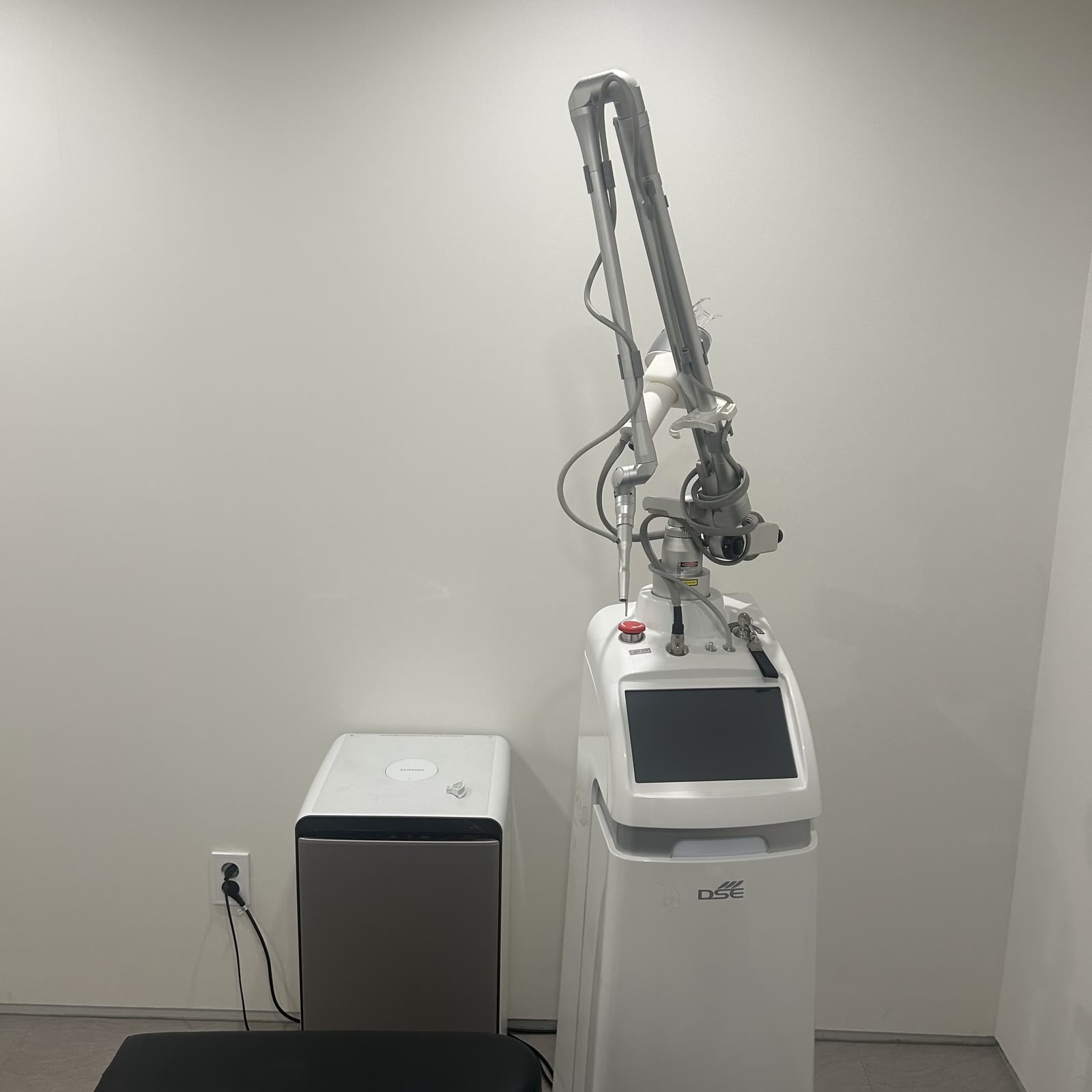
A raised scar is a scar that rises above the skin due to excessive collagen accumulation during wound healing, and it is divided into hypertrophic scars, which stay within the original wound area, and keloids, which spread beyond the boundary into the surrounding normal skin. Hypertrophic scars sometimes flatten gradually over time, but keloids may actually grow larger, so the treatment plans differ.
Why do raised scars form?
When a wound heals, collagen is produced to fill the gap, and the unneeded amount is cleared over time. If this balance breaks down and collagen keeps accumulating, the scar rises and becomes firm. They form more easily when the wound is deep, inflammation lasted a long time, or the area has a lot of movement and tension.
They are common in areas where the skin is constantly under tension, such as the front of the chest, shoulders, earlobes, and jawline, and if a family member has keloids or you have had raised scars even from small wounds before, a constitutional tendency is suspected.
Raised scars: distinguishing hypertrophic scars from keloids
Hypertrophic scars rise in the exact shape of the original wound, and after a red, itchy phase they may flatten and fade over several months to 1 to 2 years. Keloids extend sideways beyond the wound boundary, do not shrink or even grow over time, and tend to remain itchy or painful.
If a keloid is simply cut out, it may recur even larger, so even when surgery is performed, injections or other treatments are planned alongside it. That is why we first distinguish between the two before starting treatment.
How are raised scars treated and managed?
Consistently applying silicone gel or silicone sheets and compressing the scar are used as basic care. For thick scars, a steroid is injected into the scar to reduce collagen, and lasers targeting blood vessels may be added for redness, and lasers such as Fraxel for surface unevenness. Several methods are combined depending on the condition of the scar, and results vary from person to person.
If a scar grows rapidly over a short period, or has uneven color, oozes, and bleeds easily, it may be a lesion other than a scar and should be examined. If side effects such as thinning or whitening of the surrounding skin occur after scar injections, please contact the clinic. If you tend to form keloids, be sure to tell us before procedures that create new wounds, such as ear piercing or mole removal.
C-Section Scar Laser in Suwon: When Should It Start and How Is It Treated?
View CO2 Fraxel Treatment Information
FAQ
Q. Do raised scars flatten over time?
A. Hypertrophic scars may flatten and fade over several months to 1 to 2 years. Keloids rarely shrink on their own and may even grow, so we first check by examination whether the scar spreads beyond the original wound boundary into the surrounding skin.
Q. Will a raised scar go away if it is cut out?
A. Hypertrophic scars are sometimes refined surgically, but keloids may recur even larger if they are simply cut out. That is why, even with surgery, recurrence management such as injections or compression is planned alongside it, and the method is decided after examination.
Q. Is applying ointment alone enough for a raised scar?
A. Silicone gel or sheets are basic care that may help keep the scar moist and reduce raising. Scars that are thick, itchy, or painful have limits with ointment alone, so we also consider injections or lasers.
This content is provided as general treatment information and is not a substitute for diagnosis or treatment. Always consult a medical professional to decide whether and how to proceed with a treatment.