


Types of radiofrequency lifting in Suwon: which layers do ultrasound and microwave reach?
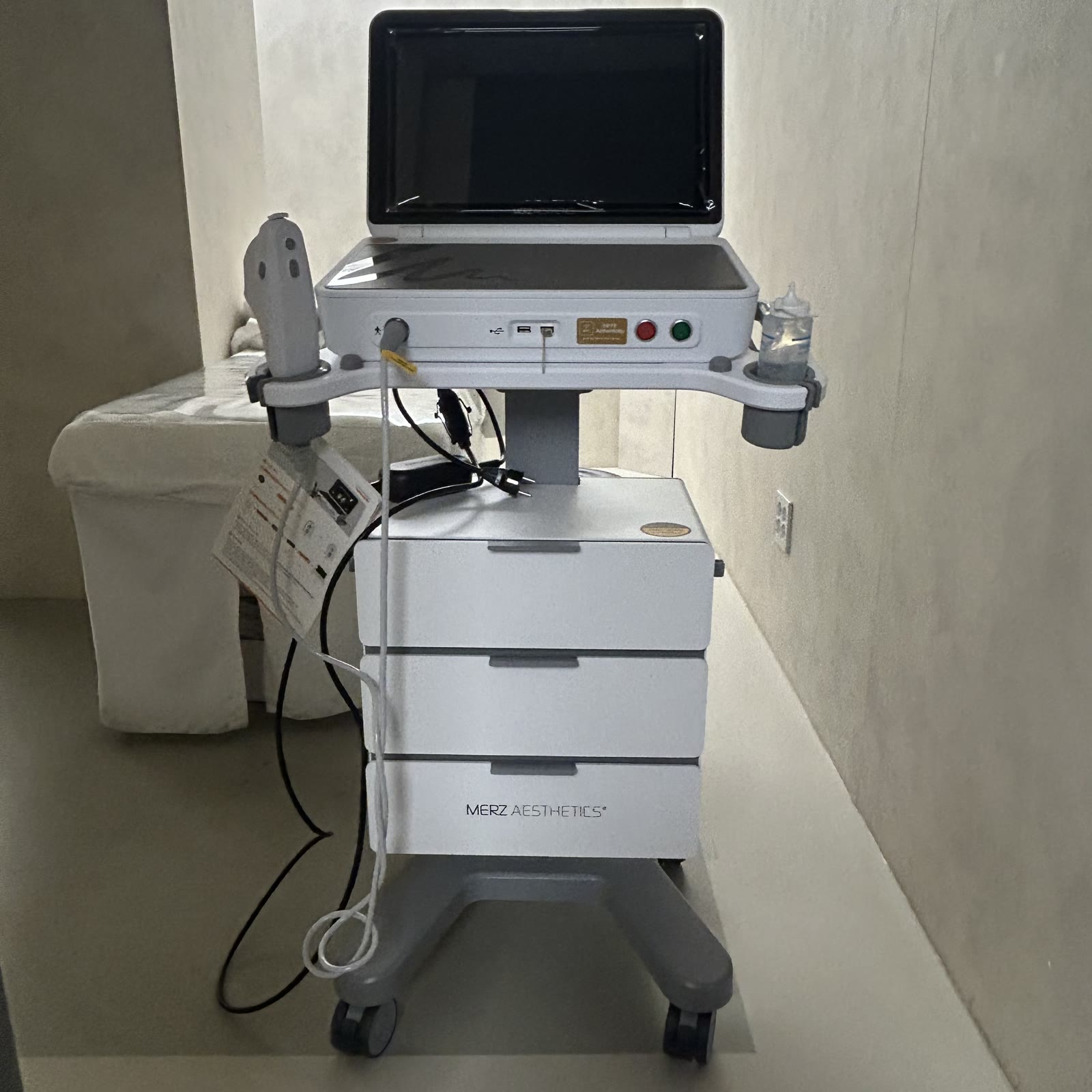
If there are so many lifting device names that you are not sure which to choose, it helps to sort by type of energy rather than device name. Radiofrequency lifting creates heat through the electrical resistance of tissue, warming the dermis over a broad area and promoting collagen regeneration, while ultrasound concentrates heat at points in the deep fascia layer, and microwave concentrates heat in the subcutaneous fat layer and the deeper dermis.
That is why, when choosing a lifting treatment, we first look at which layer the sagging started in. The layer that needs to be reached differs depending on whether the jawline has slid downward, whether the skin has become thinner with more fine lines, or whether fat such as a double chin or cheek fat is obscuring the contour. At the Suwon clinic, we check these three things first in consultation and then decide the device, the number of shots, and any treatments to have on the same day.
In this article, we go through why the face sags layer by layer, which layers ultrasound, radiofrequency lifting, and microwave reach, how to choose and the process, recovery and care, and side effects in order.
Radiofrequency lifting key points
- The face sags as the dermis, subcutaneous fat, and fascia loosen in different proportions in each area.
- Radiofrequency lifting warms the entire dermis, ultrasound warms points in the fascia layer, and microwave warms the fat layer and the deeper dermis.
- If sagging spans several layers, different energies are sometimes planned together on the same day.
- Density takes about 30 minutes, and the plan is based on 3 or more sessions at 1 to 2 month intervals.
Why does the face sag, and what changes in each layer?
From the outside in, the face is layered as epidermis, dermis, subcutaneous fat, fascia (SMAS) and muscle. With age, collagen in the dermis decreases and the skin thins, the fascia and ligaments beneath loosen so tissue descends, and fat shifts position or partly deflates.
These changes appear mixed in different proportions in each area, even on one person's face. Below the cheeks and along the jawline, fascia laxity tends to have a large effect; around the eyes and forehead, thinning of the skin itself; and under the chin and beside the mouth, fat buildup may have a large effect. This is why different energies are combined by area even within the same lifting treatment.
Which layers do ultrasound, radiofrequency lifting, and microwave reach?
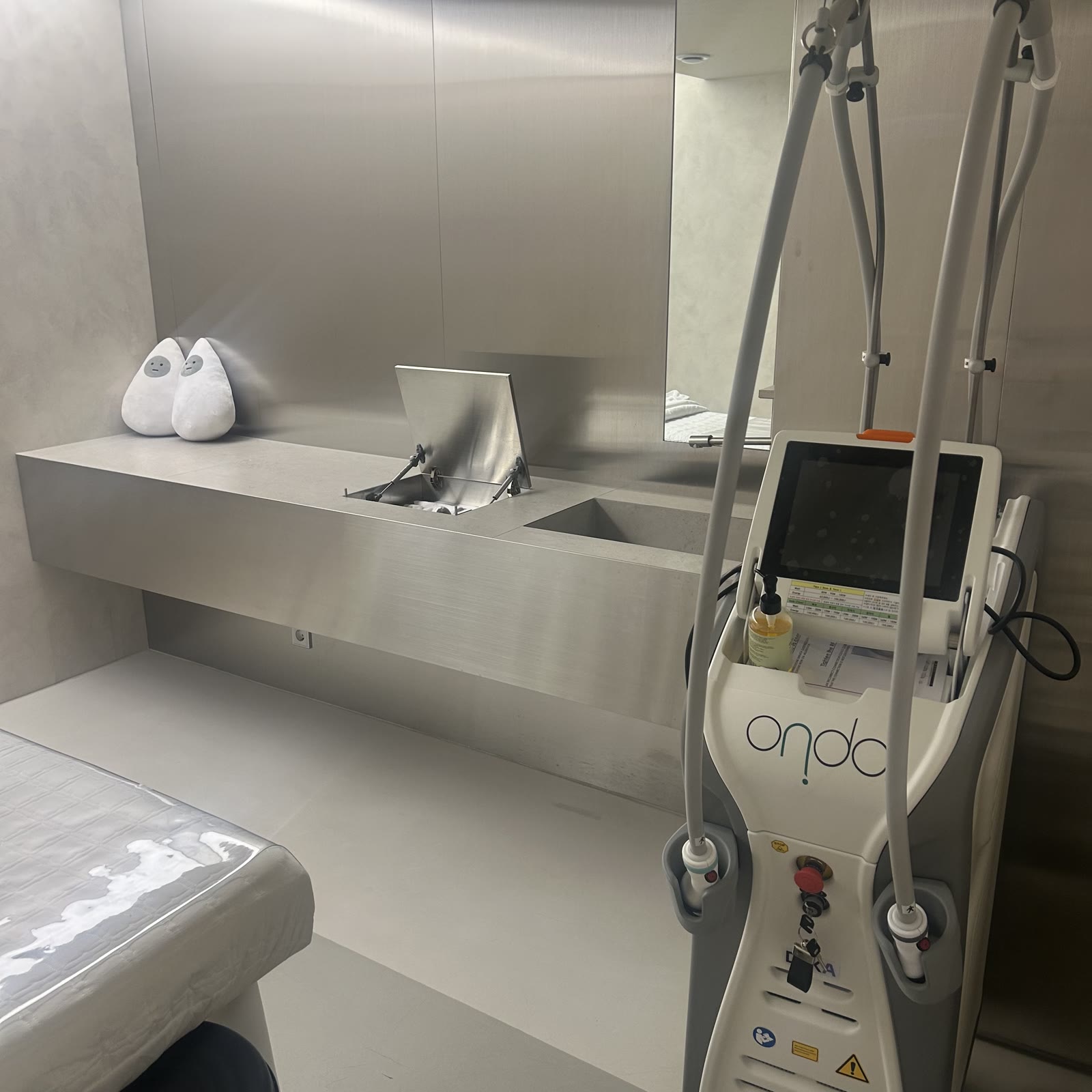
Ultrasound concentrates energy at a single point at a set depth, creating rows of small thermal coagulation points, and as the fascia layer contracts, it holds sagging tissue from below. Radiofrequency lifting evenly warms a set area rather than a single point, causing dermal collagen to contract and then regenerate, and devices that also use suction or high-voltage pulses reach the fat layer as well. Microwave generates heat by vibrating tissue rich in water molecules, concentrating heat in the subcutaneous fat layer and the deeper dermis.
| Energy | Suwon clinic device | Main layer reached | Main concerns addressed |
|---|---|---|---|
| Ultrasound | Ulthera, Shurink Universe, LinearZ | Fascia layer and deep dermis | Jawline sagging, sagging below the cheeks |
| Radiofrequency | Thermage FLX, Density, Tuneface, ALLTITE | Dermis | Loss of firmness, fine lines, skin texture |
| Radiofrequency and high-voltage pulses | InMode | Subcutaneous fat layer and dermis | Double chin, cheek fat, firmness |
| Microwave | ONDA | Subcutaneous fat layer and deep dermis | Sagging mixed with fat |
Each device simply reaches a different layer and serves a different purpose; no single device addresses all sagging. For faces with thin skin and little fat, the energy aimed at the fat layer is reduced, and if sagging spans several layers, different layers are planned together, such as an option combining ultrasound and radiofrequency on the same day.
How is radiofrequency lifting chosen and performed?
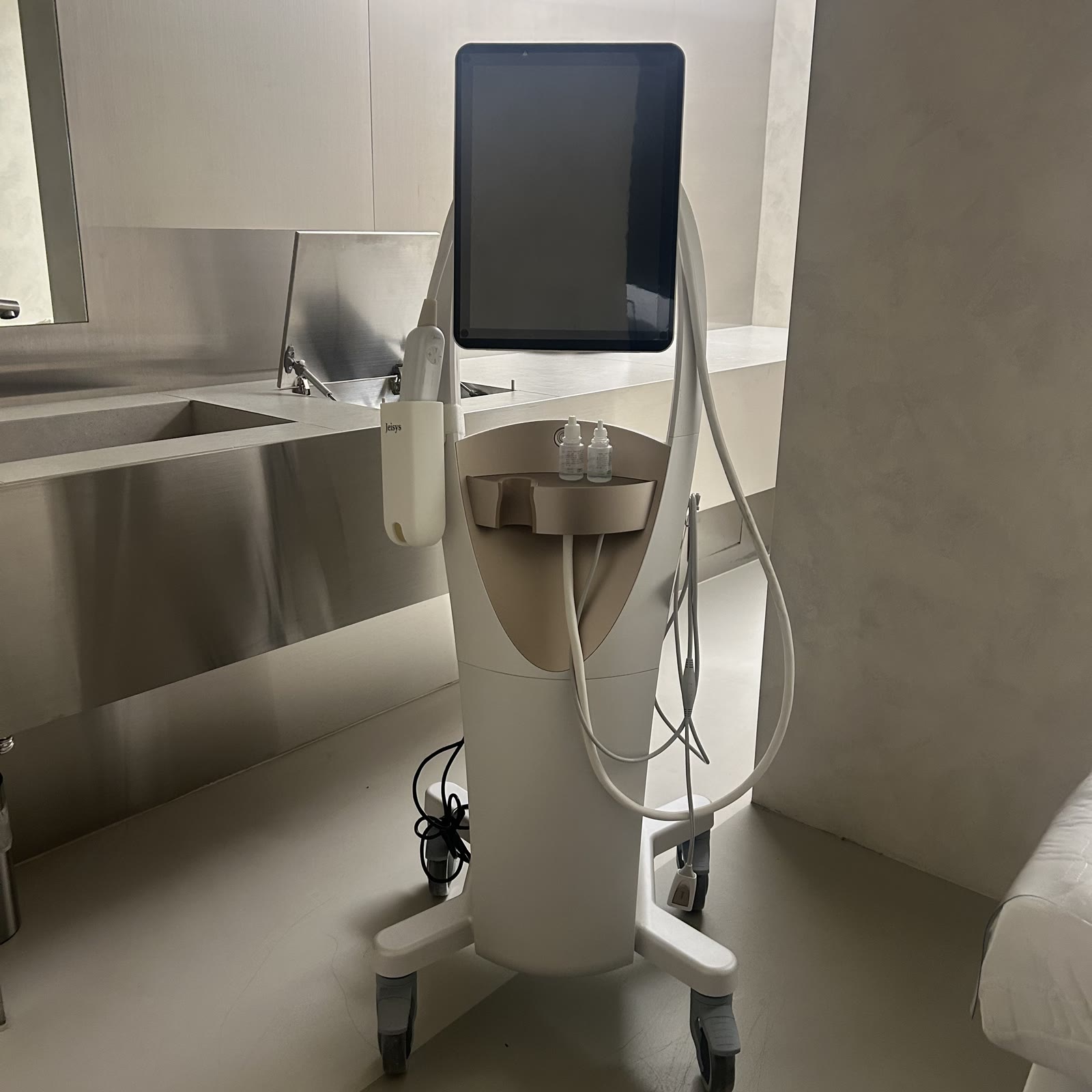
How Density radiofrequency lifting works
Density is a device that delivers 6.78MHz monopolar radiofrequency energy deep into the skin, generating heat within the skin to promote collagen regeneration and remodeling. The base of the tip is curved to deliver heat along the contours of the face, and with a tip that fires bipolar and monopolar radiofrequency in sequence in a single shot, it addresses both the upper and deeper layers of the skin.
During consultation, we check how much the contour follows when the cheek is lifted by hand, how thick the fat layer is when the skin is pinched, and whether the skin is thin and sensitive to heat. Based on these results, we decide whether to use radiofrequency alone or plan it together with ultrasound or microwave.
Treatment steps at our Suwon clinic
- Personalized Consultation
- Self-Cleansing
- Treatment
- Finishing Care
The order above is based on Density; the treatment takes about 30 minutes in total, and you can return to daily life right afterward. The plan is based on 3 or more sessions at 1 to 2 month intervals, and shot options are 300, 600, and 1,200 shots. Ulthera, an ultrasound lifting treatment, takes about 1 hour in total after numbing cream, changes appear over 1 to 2 months, and you are consulted again every 6 months to 1 year.
View Density Treatment Information
View Ulthera treatment information
Recovery and care after radiofrequency lifting
- You can wash your face and wear makeup right after treatment, using a gentle cleanser.
- To reduce irritation to the skin, wash your face with lukewarm water for 3 days after treatment.
- Dryness may occur, so apply moisturizer often and always wear sunscreen when you go out.
- For about 7 days after the treatment, avoid heavy drinking, saunas and jjimjilbang, hot baths, and strenuous exercise.
The change from collagen regenerating after radiofrequency lifting appears over several weeks to several months, so do not judge only by the tightness right after treatment. Compare with photos taken before treatment from the same angle, and decide the next session and any combined treatments based on the results.
Side effects and precautions of lifting
Common reactions include a sensation of heat, stinging, swelling, redness, dryness, and itching, and most settle down soon. With ultrasound, you may feel more throbbing when passing over areas close to the bone, devices that use suction may cause bruising, and the degree of reaction varies from person to person.
Rarely, small burns or blisters, temporary numbness, or hollowing in areas with little fat may occur, and after ultrasound lifting, white line-shaped marks may rarely appear. The risk increases when strong energy overlaps in areas where the skin and fat layer are thin, so depth and intensity are set separately for each area. Please tell us before treatment if you have an electrical device or metal implant in your body, such as a pacemaker, are pregnant, have inflammation or a wound in the treatment area, or have recently had filler or thread lifting.
If blisters form, pain and swelling keep getting worse after several days, or line-shaped marks appear, please contact the clinic right away.
What is checked before radiofrequency lifting?
In these cases, start by checking which layer the sagging began in
- Your skin has become thinner, and fine lines and skin texture bother you first.
- Your jawline has slid downward, and the contour follows when you lift your cheeks.
- The area under your chin and your cheeks feel thick when pinched, and your facial contour looks blurred.
- You chose based only on the device name and felt unsure about the change.
If two or more apply, it is best to first check whether the sagging began in the skin, fat, or fascia before choosing a device. Whether to treat, the method, and the number of shots are decided together in consultation after a physician's examination.
In short, radiofrequency lifting addresses the dermis, while ultrasound and microwave address deeper layers, so the key is to first identify the layer where sagging began and then choose the device.
FAQ
Q. How many types of lifting are there?
A. By the energy used, there are three types: ultrasound, radiofrequency, and microwave. They mainly reach the fascia layer, the dermis, and the subcutaneous fat layer and deeper dermis respectively, and even with the same energy, handpieces and depth settings differ by device.
Q. Can I get radiofrequency lifting and ultrasound lifting together?
A. The two energies reach different layers, so they are sometimes planned together on the same day. We look at whether sagging is present in both the skin layer and the fascia layer, as well as your skin thickness and recovery schedule, and decide the order of devices and the number of shots by area together in consultation.
Q. If a double chin is my concern, which lifting should I look at?
A. If fat is the cause, InMode or ONDA, which reach the fat layer, are reviewed first, and if jawline sagging is also present, we consider whether to add ultrasound lifting. This is decided after checking how thick the fat layer is when the skin is pinched and whether the jawline has also dropped.
Q. Are the results of radiofrequency lifting visible right away?
A. Right after radiofrequency lifting, the heated collagen contracts and you may feel tightness, while the change from new collagen forming appears over several weeks to several months. That is why the result is judged by comparing with photos taken before treatment from the same angle.
Q. Can I get device-based lifting even if my skin is thin?
A. Yes, you can, but for areas where the skin and fat layer are thin, the energy depth and intensity are lowered, and the energy aimed at the fat layer is reduced in the plan. If you are worried your cheeks may look hollow, we check the intensity and shot distribution by area together in consultation.
Q. How can I find out the cost of radiofrequency lifting?
A. The cost depends on the device, the number of shots, and any treatments combined with it. We confirm in consultation which layers to address with how many shots and whether to have other lifting on the same day before giving you details, and items by option can also be found on the treatment information page.
This content is provided as general treatment information and is not a substitute for diagnosis or treatment. Always consult a medical professional to decide whether and how to proceed with a treatment.