


ONDA lifting intervals: how many weeks apart and how many sessions?
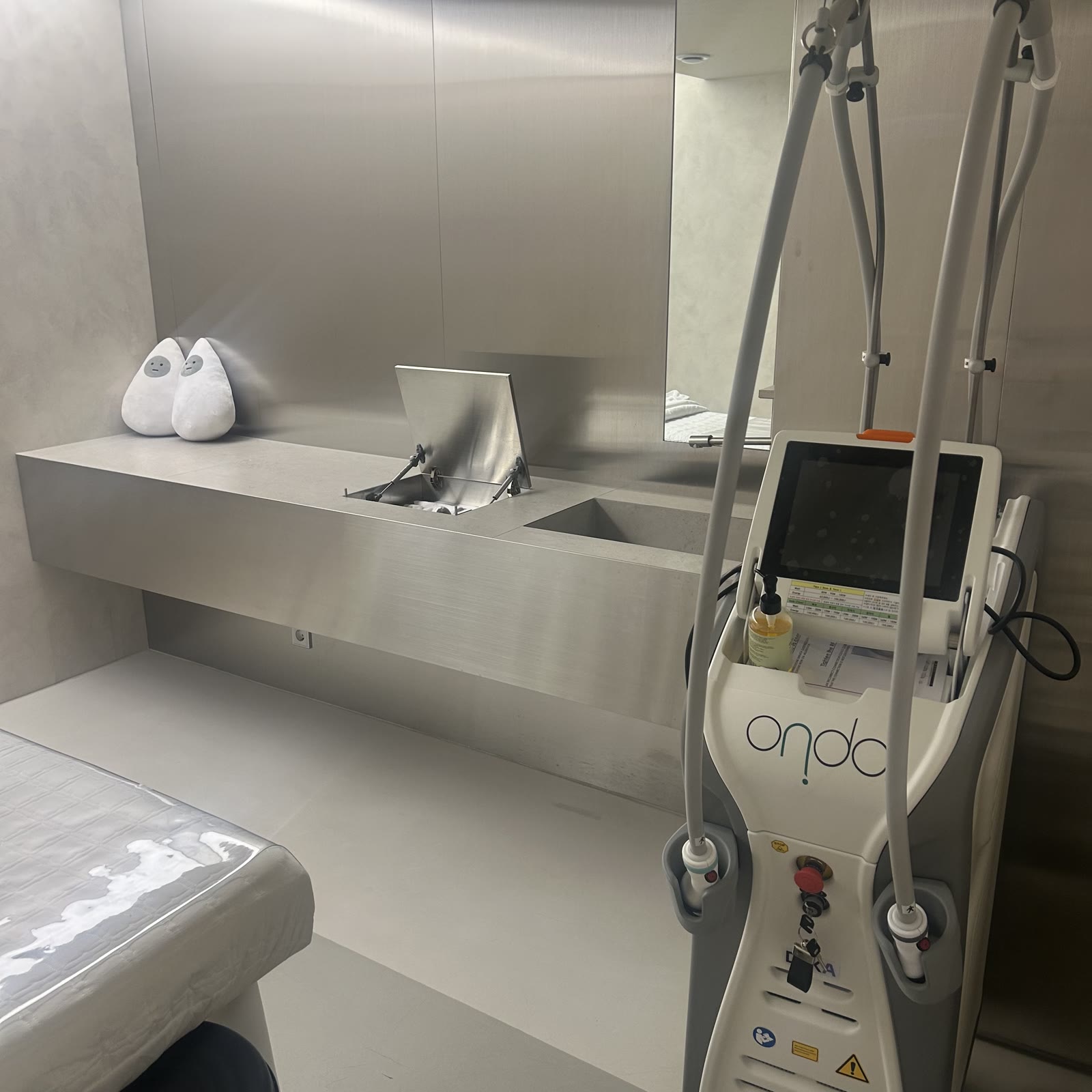
ONDA lifting intervals are set by first dividing treatment into several sessions a few weeks apart, then deciding on a maintenance interval based on your condition after completing them. A commonly described approach is a set of about 3 sessions roughly a month apart, because it takes time for fat to decrease and new collagen to form from the heat stimulation. The actual interval is decided based on the amount of fat, degree of sagging, energy delivered, and skin response.
Why ONDA lifting sessions are spaced several weeks apart
ONDA delivers heat to the subcutaneous fat layer and dermis using 2.45GHz microwaves. The process by which heated fat cells shrink and new collagen forms in the dermis does not end on the day of treatment but continues over several weeks. The next session needs to come after this process has progressed to some degree for the changes to build on each other, so sessions are spaced several weeks apart rather than repeated at short intervals.
Conversely, if the interval is too long, the stimulation from the previous session does not carry over, reducing the point of dividing treatment into sessions. That is why several sessions are first done together at regular intervals, after which a maintenance interval is set according to your skin condition.
ONDA lifting intervals that vary by goal
- If the goal is reducing fat, such as a double chin or cheek fat, the 7mm handpiece is used on the subcutaneous fat layer, and sessions continue while monitoring how much the fat decreases.
- If the goal is fine wrinkles and firmness, the 3mm handpiece is used on the dermis, and sessions are divided so that collagen changes can build up.
- If you have relatively little facial fat, stimulation of the fat layer is reduced and the interval and energy are adjusted to focus on firmness.
At our Suwon clinic, there is a 20KJ option for the double chin and jawline and full-face options of 40KJ, 60KJ, and 80KJ, and the full-face 40KJ and 60KJ options are also available as 3-session courses.
Care and precautions between sessions
For about a week after treatment, avoid activities that add heat to the body, such as saunas, jjimjilbang (Korean bathhouses), hot baths, and strenuous exercise, and cutting back on drinking and smoking during the same period helps recovery. Heated skin tends to dry out, so apply moisturizer and sunscreen thoroughly, and take a break from scrubs and deep-cleansing products for several days.
If you are pregnant or have a pacemaker or metal implants in your body, please let us know before treatment. If redness or a burning sensation does not decrease after several days, or if blisters form, please contact the clinic.
ONDA lifting in Suwon: when do results show, and which layers does it work on?
View ONDA Lifting Treatment Information
FAQ
Q. Can I set my ONDA lifting interval to one week?
A. Changes in fat and collagen appear over several weeks, so repeating treatment every week means the heat stimulation overlaps before you can see the changes from the previous session. It is best to set the interval with our medical staff after checking your skin response and goals.
Q. After completing all 3 ONDA lifting sessions, when should I get it again?
A. After completing 3 sessions, we allow time for the changes to settle and then reassess your condition. How quickly sagging and fat return differs depending on age, weight changes, and lifestyle, so maintenance intervals are also set differently for each person.
Q. Can I get ONDA lifting and another lifting treatment during the same period?
A. Combining it with another lifting treatment on the same day is sometimes done, but when heat-based treatments overlap within a short period, redness and sensitivity can last longer. Which treatments to combine and in what order are decided during consultation based on skin thickness and fat volume.
This content is provided as general treatment information and is not a substitute for diagnosis or treatment. Always consult a medical professional to decide whether and how to proceed with a treatment.