


How should I care for the area after mole removal in Suwon, including healing tape and face washing?
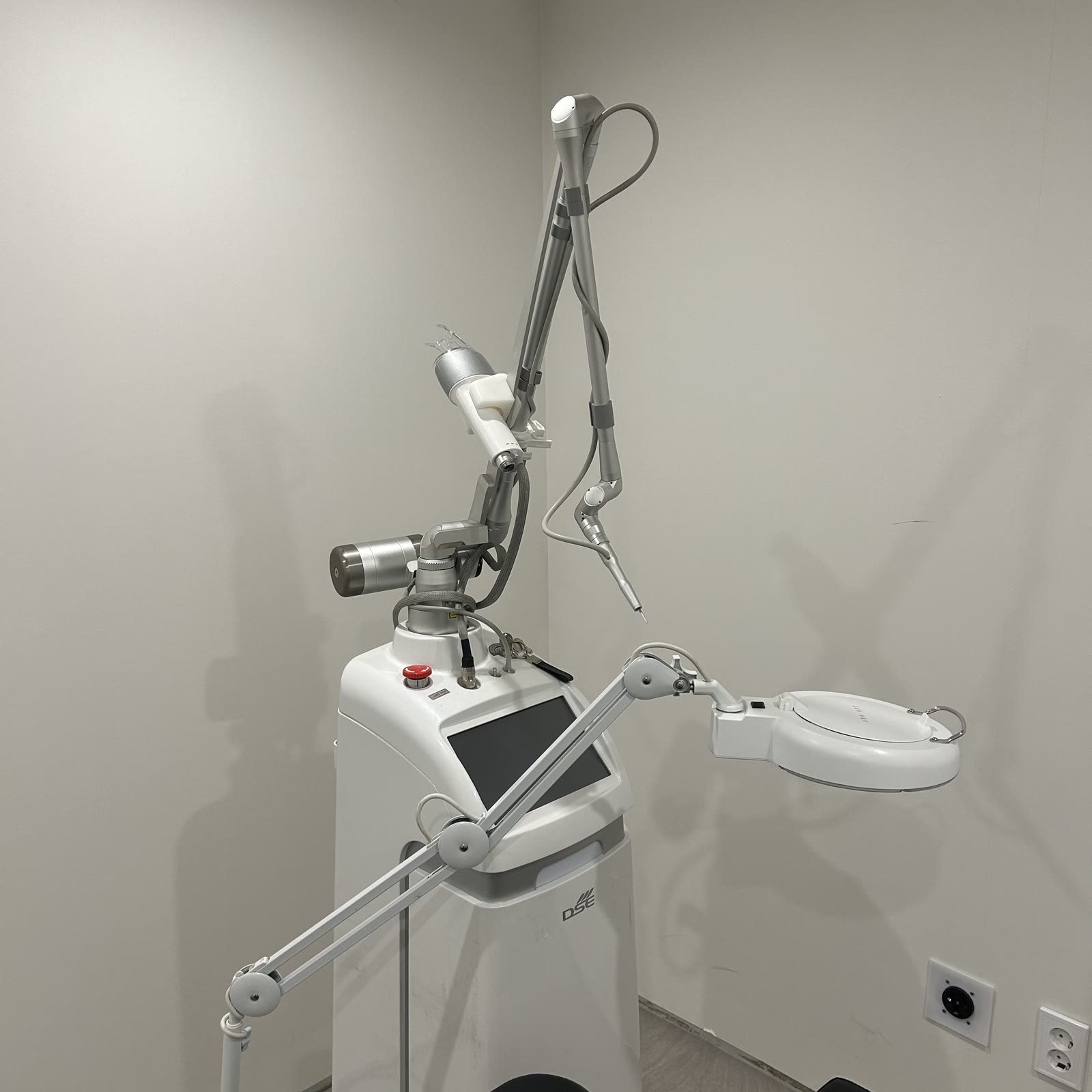
If you are unsure how long to keep the healing tape on after mole removal or how to wash your face, knowing the order in which the wound heals makes care easier. The core of aftercare is helping the small laser wound get covered with new skin in a moist environment and keeping the area from being irritated again by sunlight and friction.
Healing tape keeps the wound moist until new skin covers it, and the red mark left after removing the tape is a reaction that appears during recovery and gradually fades over 1 to 2 months. At our Suwon clinic, we first look at the depth, size, and location of the mole to decide whether to remove it in one session or in several, and we explain tape care and face washing after the procedure according to the condition of the wound.
In this article, we go through how the area heals after mole removal, how to tell normal recovery from signs that need an examination, the mole removal process, recovery care including healing tape and face washing, side effects, and what to check before the procedure.
Key points of care after mole removal
- The area heals as new skin fills in from the edges in a moist environment.
- When the healing tape absorbs fluid and swells white, replace it with a new one, and do not pull it off forcibly.
- The red mark is not a side effect but part of recovery, and it gradually fades over 1 to 2 months.
- Deep moles are removed again at intervals of 1 to 3 months after the treated area has fully recovered.
How does the area heal after mole removal?
Moles are classified by which layer the pigment cells are in: moles only in the epidermis, moles in the dermis, and moles spanning both layers. Because the laser has to reach the depth where the pigment is, moles only in the epidermis leave a shallow wound, while moles with roots reaching the dermis leave a small, indented wound.
The wound fills in as new skin grows in from the edges. When the wound dries, a scab forms and it slowly heals underneath, while in a moist state new skin cells move across the wound more easily, which helps the wound get covered. This is why healing tape is used in aftercare following mole removal.
The area looks red after new skin has covered it because many new blood vessels formed during healing. The lighter your skin, the more noticeable the redness, and over time it becomes closer to the surrounding skin color.
After mole removal, how can I tell normal recovery from signs that need an examination?
Whether you are recovering or need a check is judged by whether the wound is getting better or worse day by day.
| Category | Signs of recovery | Signs that need an examination |
|---|---|---|
| Under the tape | Fluid collects and looks white | Cloudy, pus-like fluid or a bad smell |
| Around the wound | Only the skin right next to it is slightly red | Redness gradually spreads wider, with swelling and heat |
| Scab and new skin | The scab falls off on its own and pink new skin shows | The wound takes a long time to heal and fluid keeps coming out |
| Red marks | Gradually fades over 1 to 2 months | The mark starts to rise and become firm |
A white, filled look under the tape is usually collected fluid and is different from inflammation. However, if the pain gets worse each day or you see pus, do not wait; you should be examined.
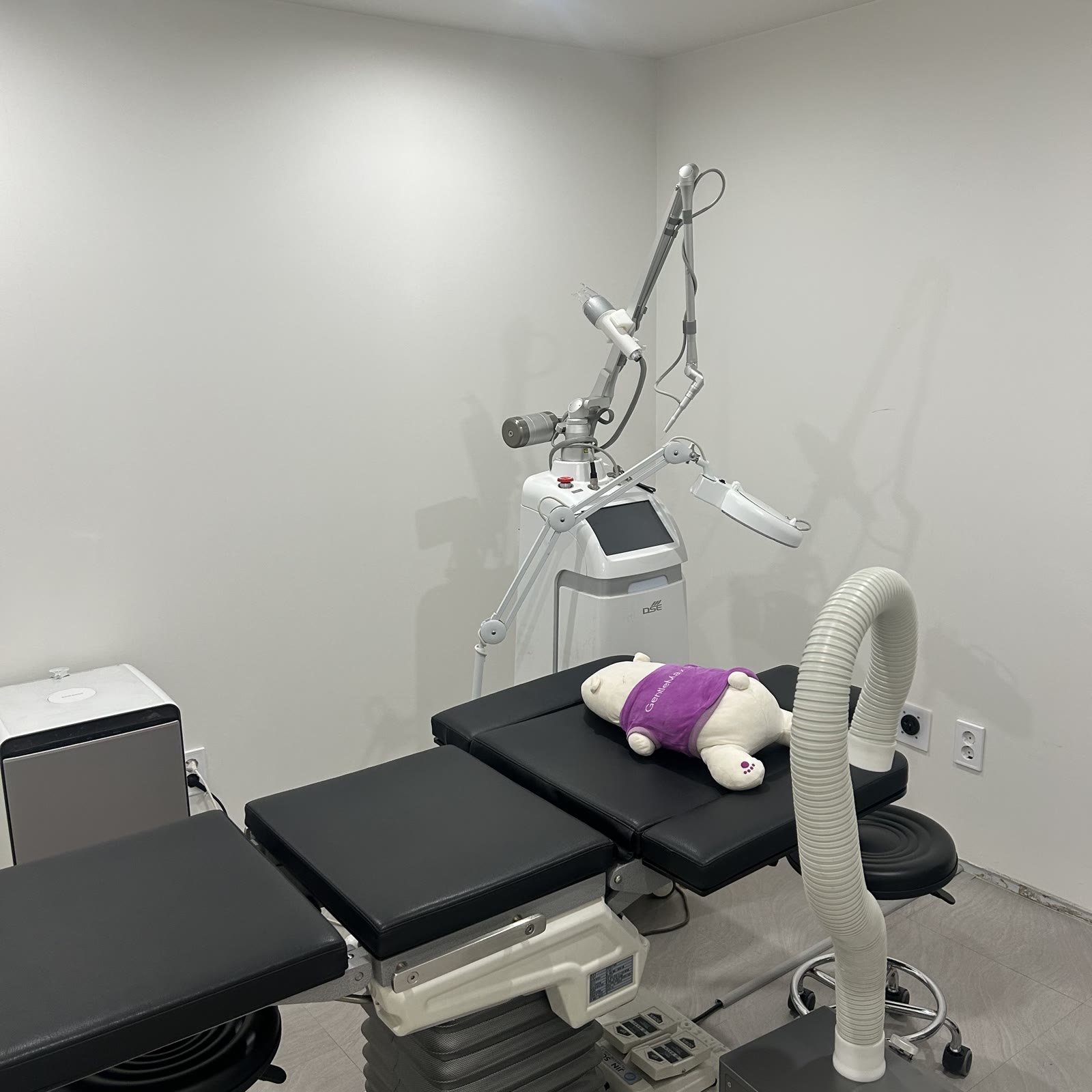
How is mole removal performed?
How a CO2 laser removes moles
A CO2 laser vaporizes mole tissue layer by layer as light with a wavelength of 10,600nm is absorbed by water in the skin. If a deep mole is shaved down to the root in the first session, the surrounding normal tissue also receives heat and an indented scar is more likely to remain, so we decide by depth whether to remove it in one session or in several.
Moles that have recently grown, have irregular borders, are a mix of several colors, or bleed are not removed with a laser right away; we first check their nature through an examination.
Treatment steps at our Suwon clinic
- Personalized Consultation
- Photos (Before Treatment)
- Numbing Cream
- Treatment
- Photos (After Treatment)
- Finishing Care
Numbing cream is used for anesthesia, and the procedure takes about an hour or less depending on the number and extent of moles. The treatment scope ranges from a few facial moles to the whole face and whole neck, each divided into 50 or fewer, 100 or fewer, and more than 100, and moles on the body are set by front and back. Retreatment is done at intervals of 1 to 3 months after the treated area has fully recovered.
View CO2 laser mole and milia removal treatment information
Care after mole removal and care after milia removal
- Keep the healing tape on until new skin covers the area, and replace it with a new one if it swells white with fluid or comes off.
- When washing your face, do not rub the wound; rinse gently with lukewarm water and pat it dry.
- For 3 to 7 days after treatment, avoid heavy drinking, smoking, saunas and Korean bathhouses, hot baths, and strenuous exercise to prevent inflammation.
- Medication prescribed according to the treated area is taken consistently for 3 days to help prevent inflammation and relieve pain.
- Even after removing the tape, apply sunscreen carefully over the new skin, and leave the scab until it falls off on its own.
Milia are small white bumps where keratin is trapped like a tiny pouch in a shallow part of the skin, so the wound tends to be shallower than with moles. In thin-skinned areas such as around the eyes, avoiding rubbing when washing and cutting back on habits like layering thick creams or sleeping without fully removing makeup may help reduce new milia forming near the same spot.
Side effects and precautions for mole removal
After the procedure, fluid, slight bleeding, scabs, and red marks may occur, and most are reactions that appear during recovery. Red marks gradually fade over 1 to 2 months, and the speed of recovery and results vary from person to person.
Rarely, removing the scab early or exposing the area directly to sunlight can leave brown pigmentation, and the site of a deep mole may leave a slightly indented scar. Moles with remaining roots sometimes show color again after a few months. If you tend to form keloids, have a condition that makes wounds heal poorly, take blood-thinning medication, or are allergic to antibiotics, please let us know before the procedure.
If redness spreads around the wound with swelling and heat, if pus comes out, or if the pain gets worse each day, please contact the clinic right away.
What should be checked before mole removal?
In cases like these, first check the nature of the mole
- The size or color of the mole has changed in the past few months.
- The border of the mole is irregular, or several colors are mixed within one mole.
- It is a large mole that is raised above the skin.
- Wounds tend to heal thick or scars tend to rise.
If two or more apply, it is best to check the nature and depth of the mole before removing it with a laser. Whether to have the procedure, the method, and the number of sessions are decided together in consultation after the medical team examines you.
In short, the key to care after mole removal is keeping the area moist until new skin covers it and avoiding sunlight while the red mark fades.
FAQ
Q. How many days should I keep the healing tape on after mole removal?
A. The basic rule is to keep it on until new skin covers the wound, and since the duration depends on the depth and size of the mole, we advise you after checking the wound following the procedure. When it absorbs fluid and swells white, replace it with a new one, and peel it off slowly starting from the edges.
Q. Can I wash my face on the day of mole removal?
A. When you can start washing your face depends on the depth of the wound and the condition of the tape, so we advise you after the procedure. When washing, do not rub the wound; rinse gently with lukewarm water, and if the tape comes off, dry the area and apply a new one.
Q. How long is the recovery period after mole removal?
A. How long it takes for new skin to cover the area depends on the depth of the mole, and the red mark that remains afterward gradually fades over 1 to 2 months. The lighter your skin, the more noticeable the redness, and avoiding sunlight during this period can help reduce pigmentation.
Q. How is care after milia removal different from care after mole removal?
A. Milia removal draws out keratin trapped in a shallow layer, so the wound tends to be shallower than with moles. In thin areas such as around the eyes, avoiding rubbing when washing and cutting back on layering thick creams may help reduce recurrence.
Q. If color comes back where a mole was removed, when can it be removed again?
A. If pigment cells remain at the root, color may come back. Retreatment is done at intervals of 1 to 3 months after the treated area has fully recovered, and whether to remove it again and how many sessions are needed are decided based on how much color has returned and the remaining depth.
Q. How can I check the cost of mole removal?
A. The cost depends on the number, size, and location of the moles. We explain after confirming at consultation whether to remove a few facial moles or treat a range such as the whole face or whole neck, and you can also see the items for each range on the treatment guide page.
This content is provided as general treatment information and is not a substitute for diagnosis or treatment. Always consult a medical professional to decide whether and how to proceed with a treatment.