


Burns from laser hair removal: why do they happen, and what should you do if one occurs?
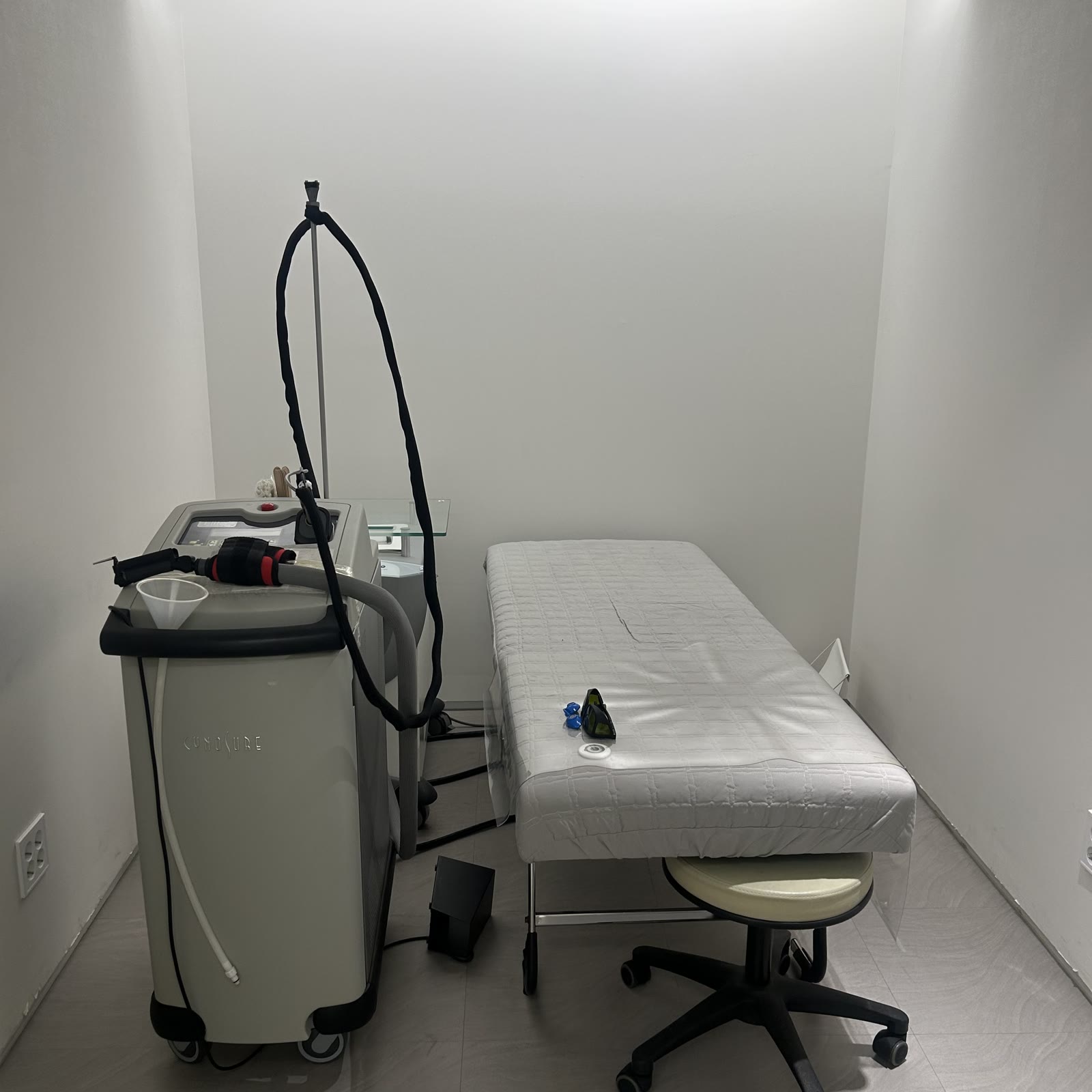
Laser hair removal burns occur when laser heat builds up excessively not only in the hair roots but also in the surrounding skin. Red bumps rising along the hair follicles right after treatment are a normal reaction that usually subsides within a few hours to a day, but if blisters, oozing, or scabs form, it should be considered a burn and examined. Sun-tanned skin and waxing before treatment are typical conditions that raise the risk of burns.
Why do laser hair removal burns happen?
Hair removal lasers work by having the melanin pigment in hair absorb heat, weakening the follicles that produce hair. The skin also contains melanin, so when the skin darkens from sun tanning, it absorbs more laser heat and the risk of burns increases.
Areas with thick, dense hair also tend to concentrate a lot of heat at once. If you pluck hair by waxing or tweezing before treatment, there are no hair roots left for the laser to react with, and long hair that was not shaved well can burn on the skin surface and leave heat behind.
How can you tell a normal reaction from a laser hair removal burn?
Bumpy redness around the hair follicles with a stinging, warm sensation is a common reaction and usually subsides when cooled. On the other hand, if redness spreads widely beyond the follicles, the burning sensation continues after a day, or blisters, oozing, or dark brown scabs form, it is considered a burn.
During healing, a burned area may leave brown pigmentation or, rarely, lose color and turn white. Popping blisters or picking off scabs makes these changes worse, so leave them alone.
What should you do if a laser hair removal burn occurs, and how can you prevent it?
Wrap a cold wet towel or an ice pack in a towel and apply it gently to cool the heat, without rubbing or scratching. If blisters form or the area oozes, do not treat it at home; please contact the clinic and get examined. Avoid UV exposure until it heals, and postpone the next session until the skin has recovered.
At our Suwon clinic, we advise avoiding methods that pull hair out by the root, such as waxing and tweezing, as well as tanning and strong UV exposure, starting 4 to 6 weeks before treatment, and trimming hair only by shaving before treatment. On the day of treatment, do not rub hard or shower with hot water, and if redness, swelling, or pain persists or worsens, please visit the clinic. If you are taking any medication that can cause photosensitivity, please let us know before treatment.
Underarm laser hair removal in Suwon: is it true that you sweat more afterward?
See women's body hair removal details
FAQ
Q. After laser hair removal, my follicles became bumpy and red. Is it a burn?
A. If it rises red along the hair follicles and only stings a little, it is a common reaction from the hair roots absorbing heat, and it usually subsides within a day. If the redness spreads widely and blisters, oozing, or scabs form, it may be a burn, so please contact the clinic.
Q. If discoloration remains after a laser hair removal burn, will it go away?
A. Brown marks left after a burn tend to fade gradually over several months, and UV exposure can make them darker or last longer. Use sun protection consistently, and if the marks persist, get examined to see whether pigment treatment is needed.
Q. Can I get laser hair removal while sunburned or tanned?
A. When the skin is tanned, the skin also absorbs much of the laser heat, increasing the risk of burns. The basic rule is to postpone treatment until your skin color returns, and please avoid tanning and strong UV exposure from 4 to 6 weeks before treatment.
This content is provided as general treatment information and is not a substitute for diagnosis or treatment. Always consult a medical professional to decide whether and how to proceed with a treatment.