


Gold PTT and Black Peel in Suwon: how are they used for acne treatment?
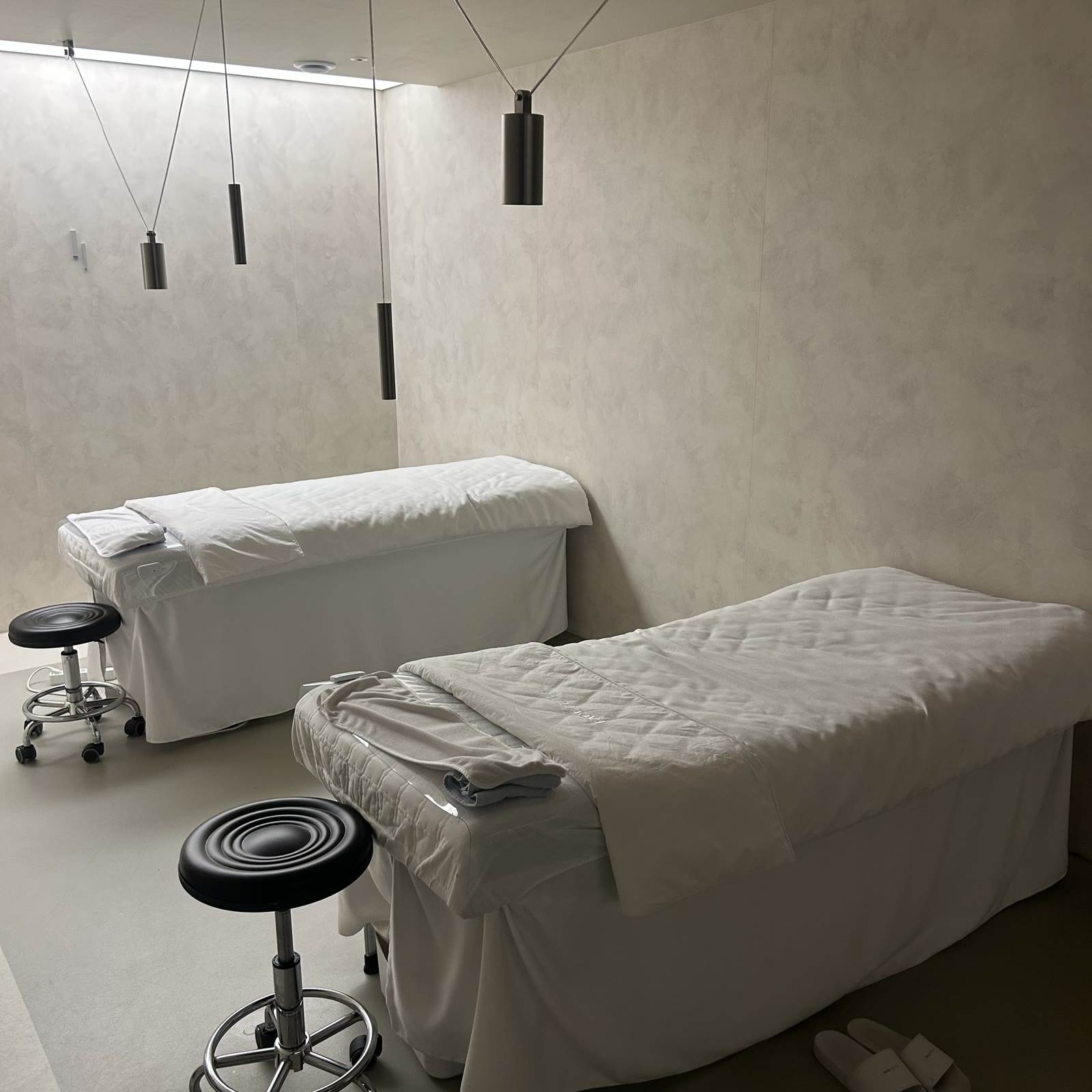
If acne keeps coming back in the same spot even after you squeeze it and it calms down, it helps to first identify which stage of acne formation is the problem. Gold PTT is a photothermal treatment that delivers gold and platinum ingredients, which generate heat when exposed to light, close to the oil glands inside the pores and then applies light to concentrate heat stimulation there, while Black Peel is a peel that uses organic acids from fermented black vinegar to loosen the bonds between dead skin cells and care for clogged pore openings.
If oil production is the core problem, light treatments such as Gold PTT or PDT are reviewed first, and if clogged pores and closed comedones are the core, peels such as Black Peel are reviewed first; if both are present, they are used together across separate sessions. At the Suwon clinic, during consultation we first look at the amount of oil production and the number of inflammatory lesions, then decide the treatment, the number of sessions, and whether to combine extraction and anti-inflammatory injections.
In this article, we go through why acne keeps coming back in the same spot, the differences among Gold PTT, PDT, and Black Peel, the process and number of sessions, aftercare, and side effects in order.
Gold PTT and Black Peel key points
- Acne progresses in the order of excess oil, clogged pore openings, growth of acne bacteria, and inflammation.
- Gold PTT and PDT address the oil glands, while Black Peel addresses dead skin and oil at the pore opening.
- The schedule is based on 3 to 5 or more Ethosome PTT sessions at 1 to 2 week intervals, and regular Black Peel sessions at 1 week intervals.
- After PDT, you must shield yourself from sunlight and strong indoor lighting for at least 48 hours.
Why does acne keep coming back in the same spot?
Extraction and anti-inflammatory injections are treatments that clear out and calm acne that has already formed. If only these are repeated, the oil glands that produce a lot of oil and the thickened dead skin at the pore openings remain as they are, so acne comes back in the same spot when conditions such as hormonal changes or lack of sleep line up.
That is why, for recurring acne, we first identify which stage is the main problem. We also check whether there are many rough closed comedones when you touch the skin, whether there is a lot of red, painful inflammation, whether you produce enough oil for your face to look shiny by the afternoon, and whether what looks like acne might actually be folliculitis.
How do Gold PTT, PDT, and Black Peel differ?
The three treatments differ in which stage of acne progression they address and in the restrictions on daily life after treatment. The table below lines up the criteria considered when choosing.
| Category | Ethosome Gold PTT | PDT | Black peel |
|---|---|---|---|
| Method | Gold and platinum ingredients are applied and light generates heat | A photosensitizer is applied and light energy is used to activate it | Organic acids from fermented black vinegar loosen the bonds of dead skin |
| Main stage addressed | Oil secretion from the oil glands | Acne bacteria and oil glands | Dead skin and oil at the pore opening |
| Treatment time | Decided based on skin condition | About 1–2 hours | Decided based on skin condition |
| Daily life after treatment | Face washing and makeup possible right away | Light shielding for at least 48 hours | Face washing and makeup possible right away |
The two light treatments are alike in that the applied ingredient is delivered close to the oil glands and then activated by light, but they differ in whether they use heat or a photochemical reaction of the medication. If your schedule makes it hard to avoid light for two days, Gold PTT is reviewed first, and if inflammatory lesions are numerous and recurring, PDT is planned alongside.
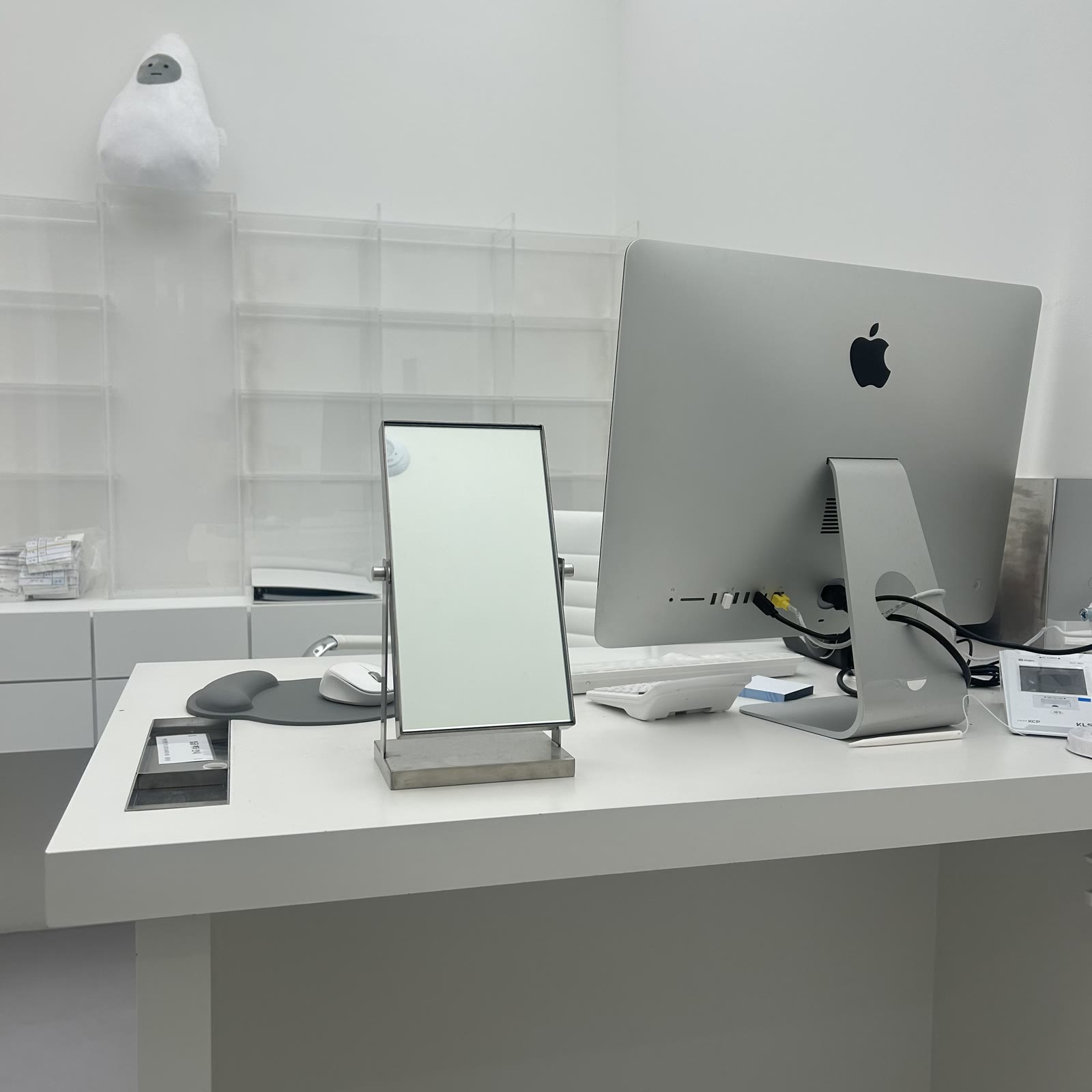
How are Gold PTT and Black Peel performed?
How Ethosome Gold PTT works
Ethosome is a nano-scale formulation that makes platinum ingredients about 140nm in size, designed to be absorbed down to the dermis after application even without an ultrasound device. The acne ampoule carries ingredients that soothe oily skin in this formulation, and the ingredients gathered around the pores and oil glands generate heat when exposed to light, concentrating stimulation there.
Treatment steps at our Suwon clinic
- Personalized Consultation
- Self-Cleansing
- Treatment
- Finishing Care
The order above is based on Ethosome PTT, with a schedule of 3 to 5 or more regular sessions at 1 to 2 week intervals. There are options bundled with extraction and anti-inflammatory injections, split into 1, 3, and 5 sessions, and when inflammation is heavy, options such as an 8-week acne package, which rotates PDT, laser, and Ethosome PTT week by week and adds Black Peel or LaLa Peel in the weeks between, are also reviewed in consultation.
View Ethosome PTT treatment information
Black Peel follows the same order: after cleansing, the peeling agent is applied, left on for a set time, and wiped off, so it tends to be less irritating than peels that rub the skin off. Results vary with oil production and skin condition, so it is done regularly at 1 week intervals, adjusting the number of sessions.
View Black Peel treatment information
Aftercare for Gold PTT and Black Peel
- You can wash your face and wear makeup right after treatment, using cold or lukewarm water and a gentle cleanser.
- For 3–7 days after treatment, avoid heavy drinking, smoking, saunas and jjimjilbang, hot baths, and strenuous exercise to prevent inflammation.
- Dryness may occur, so apply moisturizer often and always wear sunscreen when you go out.
- For about a week, avoid scrubs and other peel treatments.
- If you had PDT, avoid direct sunlight and strong indoor lighting for at least 48 hours, and cover up with a hat and long sleeves.
During the treatment period, not squeezing or picking by hand and choosing products that do not clog pores may help reduce recurrence. This is not a treatment that changes things dramatically at once; the next plan is decided by watching changes in oil and inflammation between sessions.
Side effects and precautions of Gold PTT
Common reactions include temporary redness, a burning feeling, dryness, and fine flaking, and these ease soon. Depending on skin type, breakouts may temporarily appear to increase early in treatment, and the degree of reaction varies from person to person.
If light shielding is not followed after PDT, the skin may become red, swollen, and stinging like a bad sunburn, and rarely, blisters or pigmentation may remain. With peels, stinging may last longer if done when the skin barrier is weakened or if used together with other exfoliating products. Please tell us before treatment if you are taking oral acne medication such as isotretinoin or medication that makes you sensitive to light, or are pregnant or breastfeeding.
If redness and swelling keep getting worse, blisters form, or pus and pain increase, please contact the clinic right away.
What is checked before Gold PTT?
In these cases, start by checking your acne stage
- Acne keeps coming back in the same spot even after you squeeze it and it calms down.
- You produce enough oil that your forehead and nose look shiny by the afternoon.
- When you touch your skin, there are more rough closed comedones than red inflamed spots.
- You are taking or have recently taken oral acne medication.
If two or more apply, it is best to first check whether oil production, clogged pores, or inflammation is the main issue before choosing a treatment. Whether to treat, the method, and the number of sessions are decided together in consultation after a physician's examination.
In short, Gold PTT addresses the oil glands and Black Peel addresses the pore opening, so the key is to identify at which stage your acne keeps recurring and then plan the sessions.
FAQ
Q. What is the difference between gold PTT and PDT?
A. Gold PTT uses gold and platinum ingredients that generate heat when exposed to light to concentrate heat stimulation inside the pores, while PDT uses a light-reactive medication that acts on acne bacteria and oil glands. PDT requires light shielding for at least 48 hours after treatment.
Q. How many Black Peel sessions do I need?
A. Results vary with oil production and skin condition, so it is done regularly at 1 week intervals while adjusting the number of sessions. If you have a lot of oil and recurring inflammation, it is planned together with light treatments such as Gold PTT across separate sessions, and your skin's response is checked each week.
Q. Can sensitive skin receive Black Peel?
A. It is applied and wiped off rather than rubbed off, so it tends to be less irritating. However, if your skin barrier is significantly weakened, soothing care is done first, and the peel schedule and intensity are decided while watching whether redness and dryness settle.
Q. How often should I get Ethosome Gold PTT?
A. The schedule is based on 3 to 5 or more regular sessions at 1 to 2 week intervals. The interval is adjusted by watching changes in inflammatory lesions and oil production between sessions, and if needed, extraction and anti-inflammatory injections are sometimes done on the same day.
Q. Can I get Gold PTT while taking acne medication?
A. Peel intensity and the timing of light treatment are adjusted depending on the type of oral medication, so please tell us during consultation about any medication you are taking or have recently taken. The treatment plan and start date are decided by looking at the type of medication, how long you have taken it, and your skin condition together.
Q. How can I find out the cost of Gold PTT and Black Peel?
A. The cost depends on the treatment option, the number of sessions, and any procedures combined with it. We confirm in consultation whether to include extraction and anti-inflammatory injections and how many sessions to split it into before giving you details, and items by option can also be found on the treatment information page.
This content is provided as general treatment information and is not a substitute for diagnosis or treatment. Always consult a medical professional to decide whether and how to proceed with a treatment.