


Fraxel in Suwon: how many sessions does it take to see a difference in scars and pores?
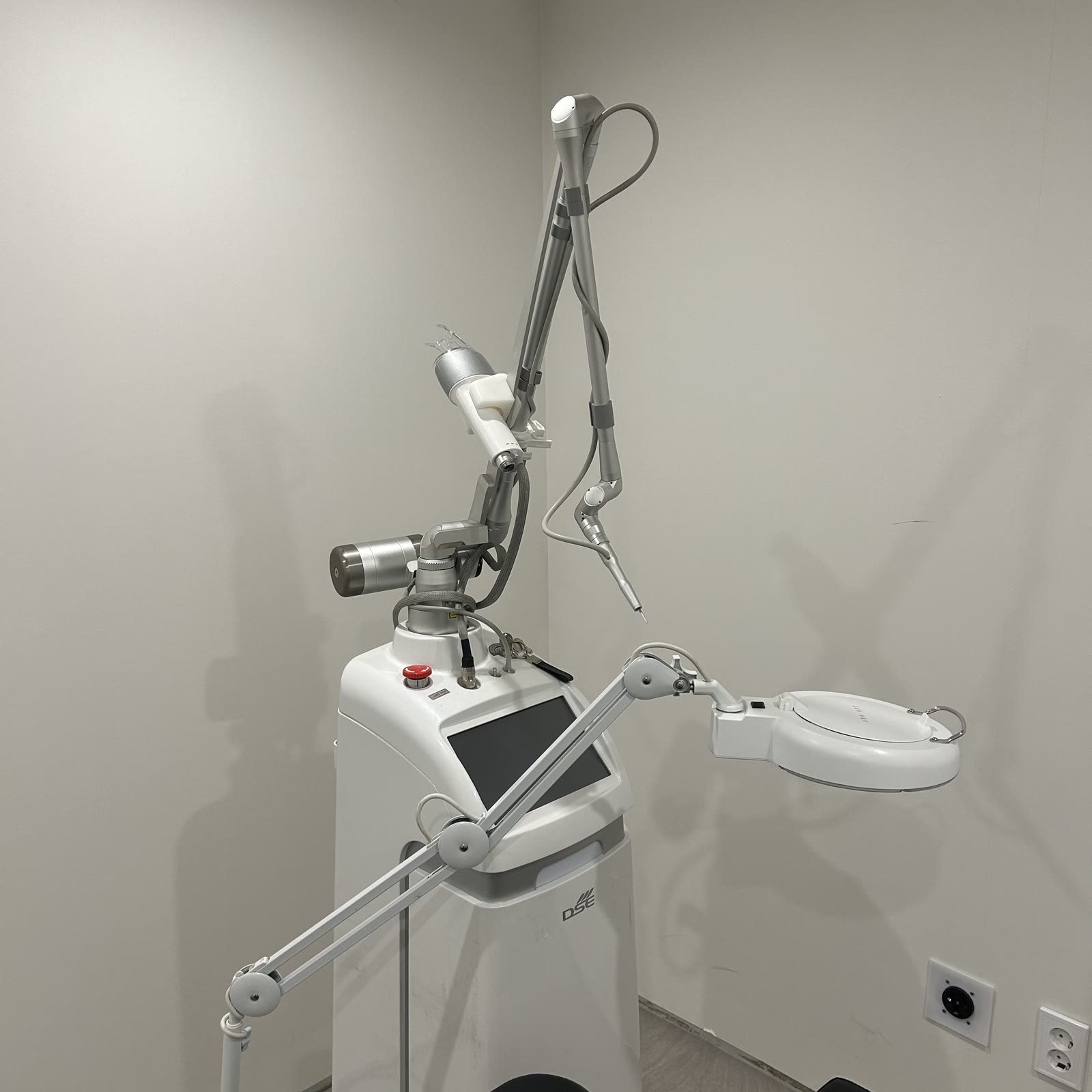
If sunken acne scars or enlarged pores that makeup cannot cover bother you, it helps to first understand how the laser works. Fraxel uses a laser to create very fine, column-shaped heat injuries densely across the skin, and as the normal skin in between leads the healing, it stimulates the dermis to rebuild collagen.
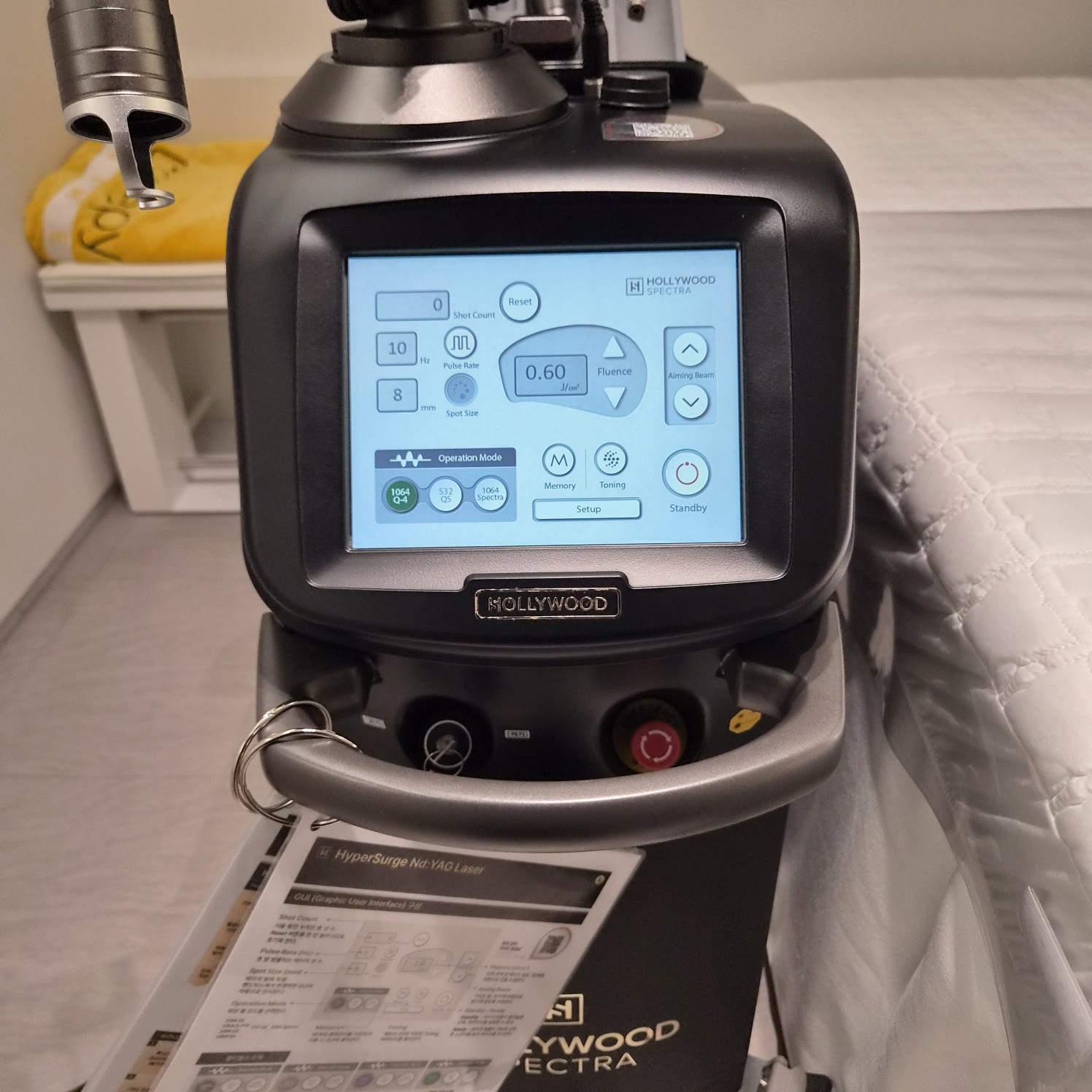
Results tend to build up over sessions rather than appear all at once, and the plan is usually 3 to 5 sessions about a month apart. At the Suwon clinic, during consultation we first look at the shape and depth of the scars and the cause of enlarged pores, then decide whether to use ablative CO2 Fraxel or non-ablative Hollywood Fraxel, and how many sessions to split it into.
In this article, we go through why Fraxel results appear over several sessions, how scars, marks, and pores are distinguished, the process, recovery and care, and side effects in order.
Fraxel key points
- Dot-like heat injuries stimulate collagen regeneration in the dermis, and changes appear as sessions add up.
- Sunken scars and sagging pores are treated with this laser, while red and brown marks are approached with treatments that target color.
- CO2 Fraxel is based on 3 to 5 or more sessions a month apart, and Hollywood Fraxel on 3 to 5 sessions 4 weeks apart.
- During recovery, the basics are not peeling off flaking skin and keeping up with moisturizing and sun protection.
Why do Fraxel results appear over several sessions?
When the skin is injured, it produces new collagen to fill in the area. This laser uses that property, delivering heat injuries in pinhole-sized dots instead of resurfacing the whole face at once. Because undamaged skin remains between the dots, recovery tends to be shorter than when a large area is peeled away at once.
There are limits to the area and depth that can be treated at once, so treatment is split into sessions. Once the redness and flaking after treatment settle down, many people notice a change in skin texture first, while changes such as the base of scars filling in and the skin around pores firming up can only be seen after collagen settles over several months. That is why the plan is reviewed by comparing with the first photos after several sessions.
If you feel nothing has changed after a few sessions, we look at the cause again. Changes can be masked if a scar treatment was used on color marks, if scars tethered from below were treated with laser alone, or if pigmentation rose from sun exposure between sessions. The plan aims to make scars less noticeable rather than remove them completely.
Before Fraxel, how are scars, marks, and the causes of pores distinguished?
Red and brown marks left by acne are a matter of color, not skin height, so they are approached with lasers that target blood vessels or pigment. This laser is used for scars where the skin is actually sunken and for sagging pores, and the treatments used alongside it differ by scar shape.
| Scar shape | Appearance | Methods reviewed alongside |
|---|---|---|
| Ice pick scars | Narrow and deep pits | Methods that allow depth adjustment |
| Boxcar scars | Angular edges with a flat base | Lasers that smooth the edges |
| Rolling scars | Gently depressed and pulled from below | Treatments that first release the tethering fibrous tissue |
For pores, the balance between oil control and dermal stimulation is set according to whether the main cause is oil secretion, loss of dermal elasticity, or built-up dead skin. If only the butterfly zone where pores cluster, such as beside the nose and the inner cheeks, bothers you, treatment can also be limited to that area.
How are CO2 Fraxel and Hollywood Fraxel performed?
How ablative and non-ablative lasers work
The CO2 method is ablative: it creates actual microscopic holes in the skin surface and delivers heat down to the dermis to promote regeneration in deeper scars. As a result, flaking and redness remain for a few days. The Hollywood method is non-ablative: it does not break the surface and delivers microscopic heat injuries only inside the skin, so it tends to interfere less with daily life, and treatment is planned over several sessions.
Which of the two to use is decided based on scar depth, how many days you can spend on recovery, skin tone, and sensitivity, and the two are sometimes alternated by session. If scars of several types are mixed, a plan that continues different treatments week by week, such as a 5-week scar package, is also reviewed in consultation.
Treatment steps at our Suwon clinic
- Personalized Consultation
- Self-Cleansing
- Numbing Cream
- Treatment
- Finishing Care
The order above is based on CO2 Fraxel, with a recommended minimum of 3 to 5 or more sessions a month apart. Hollywood Fraxel follows the same order but finishes with soothing care; the treatment takes about 30 minutes, the interval is 4 weeks for 3 to 5 sessions, and there are 5-session options split by area into full face or butterfly zone.

View CO2 Fraxel Treatment Information
Recovery and care after Fraxel
- With the CO2 method, you can wash your face from the day after treatment.
- Flaking skin falls off on its own, so do not pick at it by hand or use scrub products.
- For 3–7 days after treatment, avoid heavy drinking, smoking, saunas and jjimjilbang, hot baths, and strenuous exercise to prevent inflammation.
- Pause anti-wrinkle cosmetics containing retinol and functional whitening cosmetics, and after non-ablative treatment, also avoid AHA, BHA, and vitamin C products for about a week.
- Dryness occurs, so apply moisturizer often and always wear sunscreen when you go out.
The speed at which collagen resettles differs from person to person, so the interval is adjusted based on your skin condition between sessions. Heavy sun exposure during recovery can raise pigmentation and make scars look more prominent, so it is best to keep up sun protection until all sessions are complete.
Side effects and precautions of Fraxel
Common reactions include a sensation of heat, stinging, swelling, redness, a burning feeling, dryness, itching, and flaking, and most settle down over time. Even at the same intensity, recovery speed and reactions vary from person to person.
Rarely, brown pigment may remain at the treated site, acne-like breakouts may appear, or infection may occur. The risk of pigmentation increases if your skin tone is darker or you get a lot of sun during recovery, and when inflammatory acne is active, the inflammation is calmed first before scar treatment begins. Please tell us before treatment if you are prone to keloids, are taking or have recently taken isotretinoin-type acne medication, often get cold sores on your lips, or are pregnant or breastfeeding.
If oozing continues after treatment, pus forms, or pain does not ease and keeps getting worse, do not touch the scabs and contact the clinic right away.
What is checked before Fraxel?
If any of these apply, start with a scar diagnosis
- Areas where acne once was are sunken, and they cast shadows when light hits at an angle.
- Pores beside the nose and on the inner cheeks are stretched, and makeup tends to settle into them.
- Red marks and sunken scars are mixed, and you are unsure which to address first.
- You had a few sessions before but felt there was little change.
If two or more apply, it is best to first check the shape of the scars and the type of marks before laser treatment. Whether to treat, the method, and the number of sessions are decided together in consultation after a physician's examination.
In short, Fraxel is a treatment that builds up change by first separating scars from marks and keeping up recovery care and sun protection between sessions.
FAQ
Q. Will scars change after just one fractional session?
A. After one session, you may first notice a change in skin texture, while the filling in of scar bases is checked over the several months that collagen takes to rebuild. That is why the plan is based on 3 to 5 sessions about a month apart.
Q. Can I get fractional laser on just the pores in the butterfly zone?
A. Treatment can be limited to areas where pores cluster, such as beside the nose and the inner cheeks. If your pores are enlarged by excess oil, we also look in consultation at whether to add an oil-control treatment, and the number of sessions is set according to the cause of the enlarged pores.
Q. How do I choose between CO2 Fraxel and Hollywood Fraxel?
A. The choice is based on scar depth, whether your schedule allows a few days of visible flaking and redness, skin tone, and sensitivity. The two methods differ in how deep the heat reaches and in the recovery process, so they are sometimes alternated by session while watching your skin's response.
Q. What if I feel Fraxel is not working?
A. We distinguish marks from scars again and check whether the scars are tethered from below or whether pigmentation has risen from sun exposure. Depending on the cause, the plan is revised by adding a different method or adjusting the interval and intensity.
Q. Can I go to work the day after Fraxel?
A. The non-ablative Hollywood method tends to interfere little with daily life the next day. With the CO2 method, flaking and redness may be visible for a few days, so if you have an important event, it is best to schedule the treatment date in advance during consultation.
Q. How can I find out the cost of Fraxel?
A. The cost depends on the type of laser, the treatment area, and the number of sessions. We confirm in consultation whether it is the full face or the butterfly zone and how many sessions to split it into before giving you details, and items by session can also be found on the treatment information page.
This content is provided as general treatment information and is not a substitute for diagnosis or treatment. Always consult a medical professional to decide whether and how to proceed with a treatment.