


Facial wound scars: when should laser treatment start, and how are they treated?
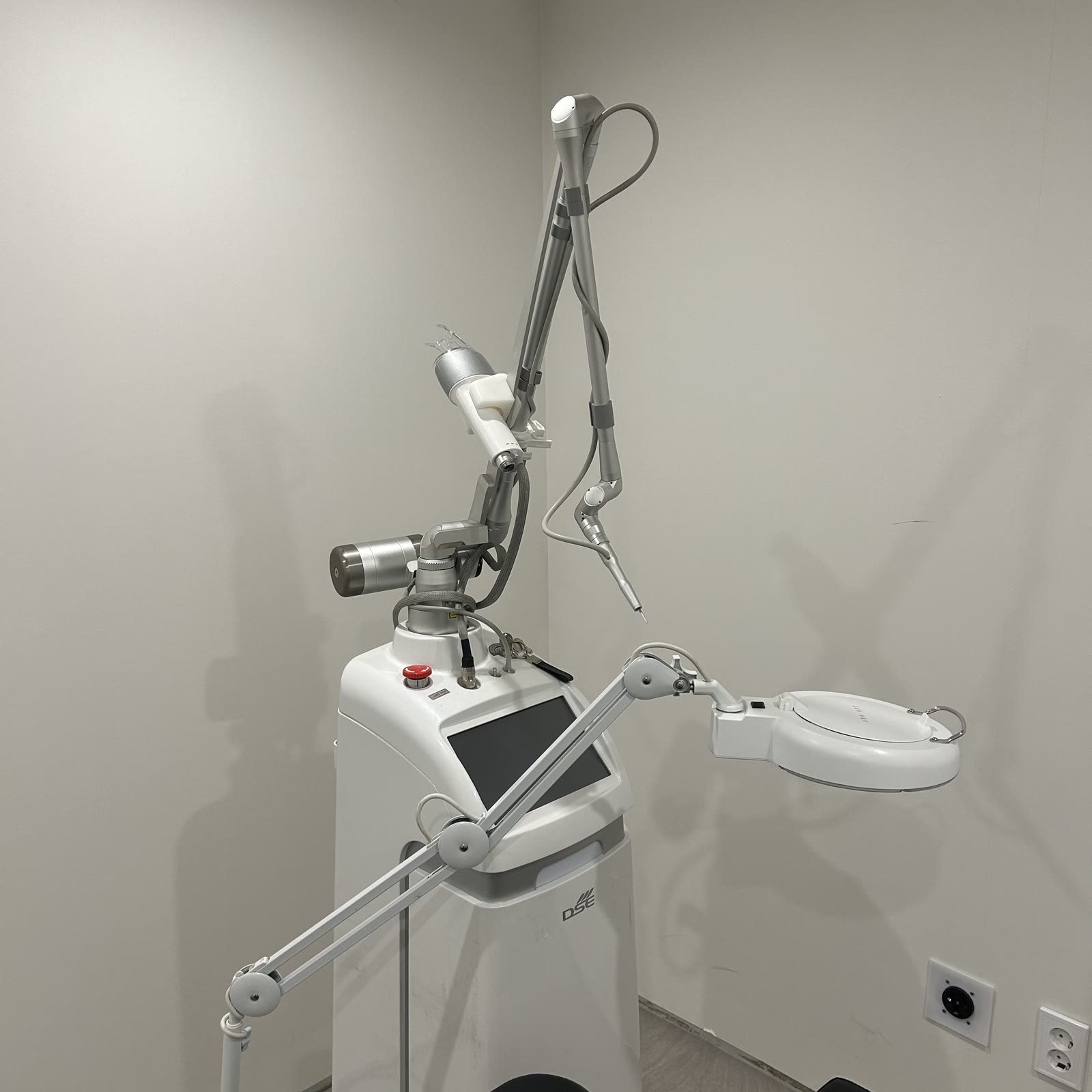
Facial wound scars are marks left when collagen builds up unevenly or fills in insufficiently as a wound heals, and they are divided into red scars, brown marks, depressed scars, and raised scars. Red scars in the period right after a wound has healed are treated with lasers that target blood vessels and redness, while depressed scars that remain after several months are treated with fractional lasers that stimulate skin regeneration. The type, timing, and depth of the scar determine the order of treatment.
How are facial wound scars classified?
- A red scar is a state in which newly formed blood vessels remain after a wound heals, making it look red for several months.
- A brown mark is pigment left behind where inflammation has passed, and it becomes darker with sun exposure.
- A depressed scar is a scar that has sunk lower than the surrounding skin because the dermis was not filled in sufficiently.
- A raised scar is a scar that rises up because of excessive collagen buildup, and if it grows beyond the boundaries of the original wound, it is considered a keloid.
Burn scars differ depending on the depth of the burn. Shallow burns that only caused blisters often remain as pigment changes, while burns that damaged the dermis can leave depressed scars or scars that feel tight and firm.
When should laser treatment for facial wound scars start?
Scar care can start once the wound has healed and the scab has fallen off. In the early stage while redness remains, lasers that target redness help the scar settle, and if a depression remains after several months, fractional lasers are used to stimulate regeneration. Older scars can also be treated, but more sessions may be needed for changes to build up.
CO2 fractional laser creates tiny holes in the skin with fine laser beams to deliver energy down to the dermis, and as those spots heal, it encourages new collagen to fill in. At FACE FILTER Clinic Suwon, CO2 fractional laser is performed after numbing cream, and our recommended guideline is at least 3 to 5 sessions at one-month intervals.
Care and precautions after scar laser treatment
You can wash your face from the day after treatment, and let small flakes of dead skin fall off naturally without picking them or using scrubs. For 3 to 7 days, avoid heavy drinking, smoking, saunas and jjimjilbang (Korean spas), and strenuous exercise, apply moisturizer often, and use sunscreen when you go out. Take a short break from retinol and functional whitening cosmetics.
If you are prone to keloids or have recently taken oral acne medication, please let us know before treatment. If pus or oozing appears on the treated area and the pain keeps getting worse, please contact the clinic.
C-Section Scar Laser in Suwon: When Should It Start and How Is It Treated?
View CO2 Fraxel Treatment Information
FAQ
Q. How long should I apply scar ointment for facial wound scars?
A. Right after a wound heals, scar ointment or silicone gel may help retain moisture and reduce the scar from rising. How long to apply it depends on the condition of the scar, and if redness or a depression remains after several months, we check it during a consultation.
Q. Can old burn scars be treated with laser?
A. For older scars as well, fractional lasers can be used to stimulate regeneration. However, scars that feel tight and firm or extensive burn scars need many sessions for changes to build up, and depending on the extent, surgical treatment may also be discussed during consultation.
Q. Will scar laser treatment make my scar disappear?
A. Laser is used to bring the depth, color, and texture of a scar closer to the surrounding skin, and it is hard to expect the skin to return to a state as if the scar had never existed. The degree of change depends on the type and depth of the scar and on each person's healing capacity.
This content is provided as general treatment information and is not a substitute for diagnosis or treatment. Always consult a medical professional to decide whether and how to proceed with a treatment.