


Closed comedones, pustular acne, and nodular acne in Suwon: how are they different?
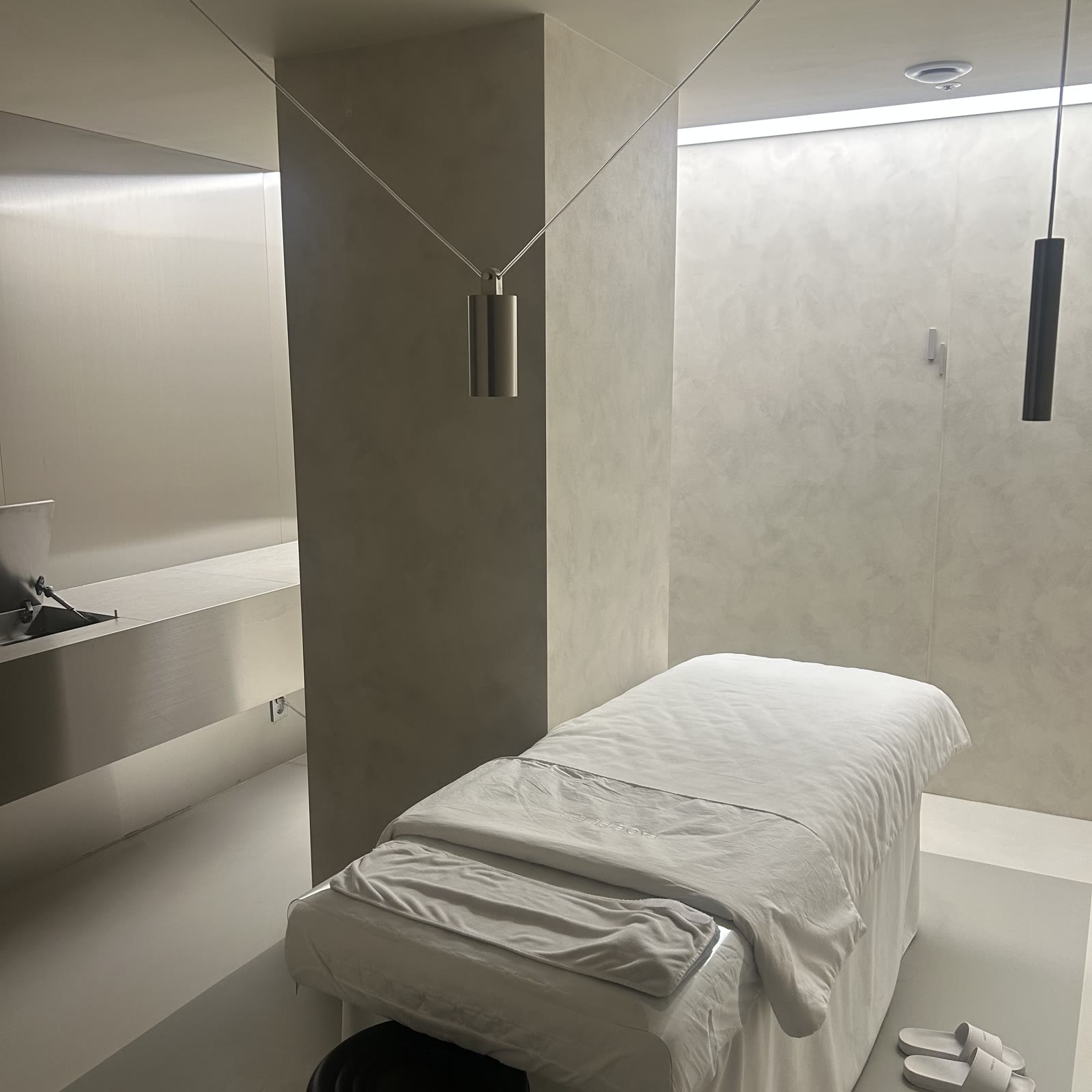
If bumpy little grains on your forehead and chin won't go away, and a few of them have turned red and filled with pus, it is worth first checking what stage the acne you see is at. Closed comedones are comedonal acne caused by sebum and dead skin cells pooling inside the pores, and they are the first stage, without inflammation yet.
Acne is divided into closed comedones, pustular acne, and nodular acne depending on how deep the inflammation has gone, and the treatment approach differs at each stage. The plan is to clear out clogged pores for closed comedones, calm inflammation for pustular acne, and manage nodular acne so that deep inflammation does not lead to scarring. At our Suwon clinic, we first look at the stage and distribution of acne during the initial consultation and create a week-by-week treatment plan.
In this article, we go over how acne deepens stage by stage, the criteria for telling closed comedones, pustular acne, and nodular acne apart, treatment for each stage and the treatment steps at our Suwon clinic, recovery care, and side effects, in that order.
Closed comedones: key points
- Closed comedones are a state in which the pore openings are blocked and sebum has pooled, and when inflammation is added, they deepen into pustular and nodular acne.
- Closed comedones are painless and feel rough to the touch, pustular acne shows visible pus, and nodular acne is firm with deep pain.
- For closed comedones, treatment centers on clearing out pores and managing dead skin; for inflammatory acne, it centers on calming inflammation and treating the sebaceous glands.
- During recovery, do not touch the extraction sites, and use moisturizer and sunscreen consistently.
How do closed comedones deepen into pustular and nodular acne?
When the dead skin at the pore opening thickens and sebum cannot escape, clumps of sebum pool inside the pore. These clumps are called comedones; when the opening is closed and they rise up white, they are called whiteheads, and when the opening is open and the tip looks black, they are called blackheads. Closed comedones are a state in which these comedones are clustered on the forehead, chin, and cheeks.
When acne bacteria multiply inside the pooled sebum and the body reacts to them, inflammation begins. It deepens in the following order: red acne that rises and hurts when touched, pustular acne with yellow pus in the center, nodules that clump firmly deep in the skin, and cysts that grow like pus-filled sacs. Habits such as frequently touching your face or leaving cosmetic residue behind, as well as irregular sleep and stress, can also trigger comedones to turn inflamed.
The deeper the inflammation, the wider the range of tissue damaged beneath the skin. Red and brown marks may fade over time, but inflammation that has reached the dermis can leave depressed scars. Starting care at the closed comedone stage may help reduce lesions that turn into inflammation.
Criteria for telling closed comedones, pustular acne, and nodular acne apart
You can tell the stages apart by looking at the appearance, how it feels to the touch, and where the pus is located.
| Category | closed comedones | Pustular acne | Nodular and cystic acne |
|---|---|---|---|
| Appearance | Small skin-colored or white grains clustered together in a bumpy pattern | Yellow pus visible in the center of a raised red bump | Swollen more underneath than on the surface, with no clearly visible head of pus |
| When touched | Painless, with a rough-feeling surface | Painful when pressed, with a feeling of warmth | Firm, with deep pain lasting several days |
| Location of pus | No pus; sebum and dead skin cells are pooled | Has risen close to the surface | Located deep in the skin |
Sometimes what looks like acne is actually another condition. If uniformly sized red bumps appear and itch on the chest and back, we first distinguish folliculitis, and if redness lasts a long time on the cheeks and nose with what looks like acne mixed in, we first distinguish rosacea. This is because if the cause is different, acne treatment alone may not calm it down well.
How are closed comedones and inflammatory acne treated?
Principles of acne treatment by stage
Treatment for closed comedones centers on clearing out clogged pores. Accumulated dead skin and sebum are gently cleared with scaling or peels, and clustered comedones are extracted with sterilized tools. Repeating extraction alone makes pores more likely to fill up again, so treatment that acts on sebum production is planned as well.
For pustular acne, calming the inflammation comes first. Lesions where pus has risen to the surface are emptied by extraction, and anti-inflammatory injections are used for heavily swollen lesions. Neobeam, which delivers heat to the sebaceous glands with a 1450 nm wavelength, photodynamic therapy (PDT), in which light energy is applied after a light-sensitive medication is put on the skin, and Secret RF, which delivers radiofrequency to the dermis with fine needles, are methods that act on the sebaceous glands and acne bacteria. With nodular acne, the pus is deep and won't come out even when pressed, so it is first calmed with anti-inflammatory injections and prescription medication, and treatment for the marks is planned after the inflammation has settled.
Treatment steps at our Suwon clinic
- Initial Consultation & Skin Assessment
- Weekly Treatment Planning
- Treatments such as extraction, lasers, and peels about once a week
- Mid-course Review & Plan Adjustments
- Final Evaluation & Maintenance Guidance
The 8-week acne package is done for 30 minutes to 1 hour per session over a total of 8 weeks, and you can return to daily activities right after each treatment. Extraction and anti-inflammatory injections are done every week as the base, with Excel V Plus and PDT added in session 1, Neobeam in session 3, Ethosome PTT in session 5, and Secret RF (for acne) in session 7. In even-numbered sessions, the skin is cared for with one of LDM, black peel, or LaLa Peel. The package is offered as one 8-week course or three consecutive courses, and after the course ends, maintenance care can be continued depending on your skin condition.
View 8-week acne package details
Recovery and care after closed comedone treatment
- On the day of treatment, do not rub hard or touch the extraction sites, and do not squeeze acne with your hands.
- Redness or scabs may form; do not force the scabs off, and let them fall off on their own.
- Apply a repair cream and moisturizer consistently, and use sunscreen when going out.
- For 2–3 days after treatment, avoid saunas, alcohol, and strenuous exercise.
- In sessions that include PDT, avoid direct sunlight and strong indoor lighting for at least 48 hours, and cover up with a hat and long sleeves.
Wash your face gently with lukewarm water, and it is best to choose products that are low in oil and do not clog pores. Adding scrubs or strong exfoliation during the treatment period can make the skin sensitive. Even after acne calms down, closed comedones can come back if sebum and dead skin build up again, so the interval for maintenance care after the course is decided based on your skin condition.
Side effects and precautions for acne treatment
After extraction and laser treatment, redness, warmth, stinging, and dryness may occur, and most settle over time. In the early stages of treatment, hidden comedones may surface, making it look as though acne has temporarily increased.
Red marks or brown pigment may remain where inflammation has calmed, and they tend to last longer the more UV exposure you get. In rare cases, the site of an anti-inflammatory injection may look slightly sunken, and deep nodules can leave depressed scars even with treatment. The degree of reaction and speed of recovery vary from person to person. If you are pregnant or planning a pregnancy, taking medication that makes you sensitive to light, or prone to cold sores around the mouth, please let us know before treatment.
If pain keeps getting worse after treatment, the feeling of heat and swelling spread widely, or blisters form after PDT, do not touch the area and contact the clinic.
What should be checked before closed comedone treatment?
If any of these apply, start with an acne stage diagnosis
- Bumpy grains on my forehead and chin haven't gone away for months.
- Red, pus-filled acne keeps coming back in the same spots.
- There is a firm, painful lump that won't come out when pressed.
- Red marks or depressed marks have started to remain where acne has calmed down.
If two or more apply, it is a good idea to check the stage of the acne and whether other conditions are mixed in before squeezing with your hands. Whether to treat, which method to use, and the treatment area are decided together during the consultation after the doctor's examination.
In short, the key is to clear out pores before closed comedones turn into inflammation, and to calm inflammatory acne before it leads to scarring.
FAQ
Q. Is it okay to squeeze closed comedones at home?
A. Closed comedones have closed openings, so pressing them with your hands tends to make the sebum burst sideways and turn into red inflammation. Loosening the openings with exfoliation care and having comedones that need to be cleared extracted with sterilized tools helps reduce marks.
Q. Is pustular acne done once the pus is removed?
A. Draining pus is a procedure that relieves internal pressure to ease swelling and pain. However, if your skin keeps getting clogged with sebum and dead skin, acne tends to come back in the same spots, so treatment or medication that acts on the sebaceous glands is planned as well.
Q. Can nodular acne be extracted too?
A. With nodules, the pus is deep in the skin, so it doesn't come out well with extraction, and pressing hard can spread the inflammation sideways. They are first calmed with anti-inflammatory injections and medication, and once the inflammation has settled, the remaining marks are checked to decide on the next treatment.
Q. How often do I need to come in for closed comedone treatment?
A. With the 8-week acne package, you visit about once a week for 8 weeks, and lasers or peels are added to extraction and anti-inflammatory injections at each session. The plan is adjusted along the way based on your skin condition, and whether to continue with maintenance care after the course is decided during the consultation.
Q. Are red acne marks and depressed scars treated at the same time?
A. While inflammation is active, treatment to calm the acne comes first. After the inflammation settles, red marks are treated with lasers that act on blood vessels and depressed scars with treatments that support dermal regeneration, planned in separate stages, and the method is decided based on the condition of the marks.
Q. How can I find out the cost of closed comedone treatment?
A. The cost depends on the treatment combination and number of sessions. After checking your skin condition during the consultation, we explain whether to do the 8-week course once or continue it and which treatments to add, and you can also check the items for each package on our treatment information page.
This content is provided as general treatment information and is not a substitute for diagnosis or treatment. Always consult a medical professional to decide whether and how to proceed with a treatment.