


CO2 laser mole removal in Suwon: what determines the depth and scarring?
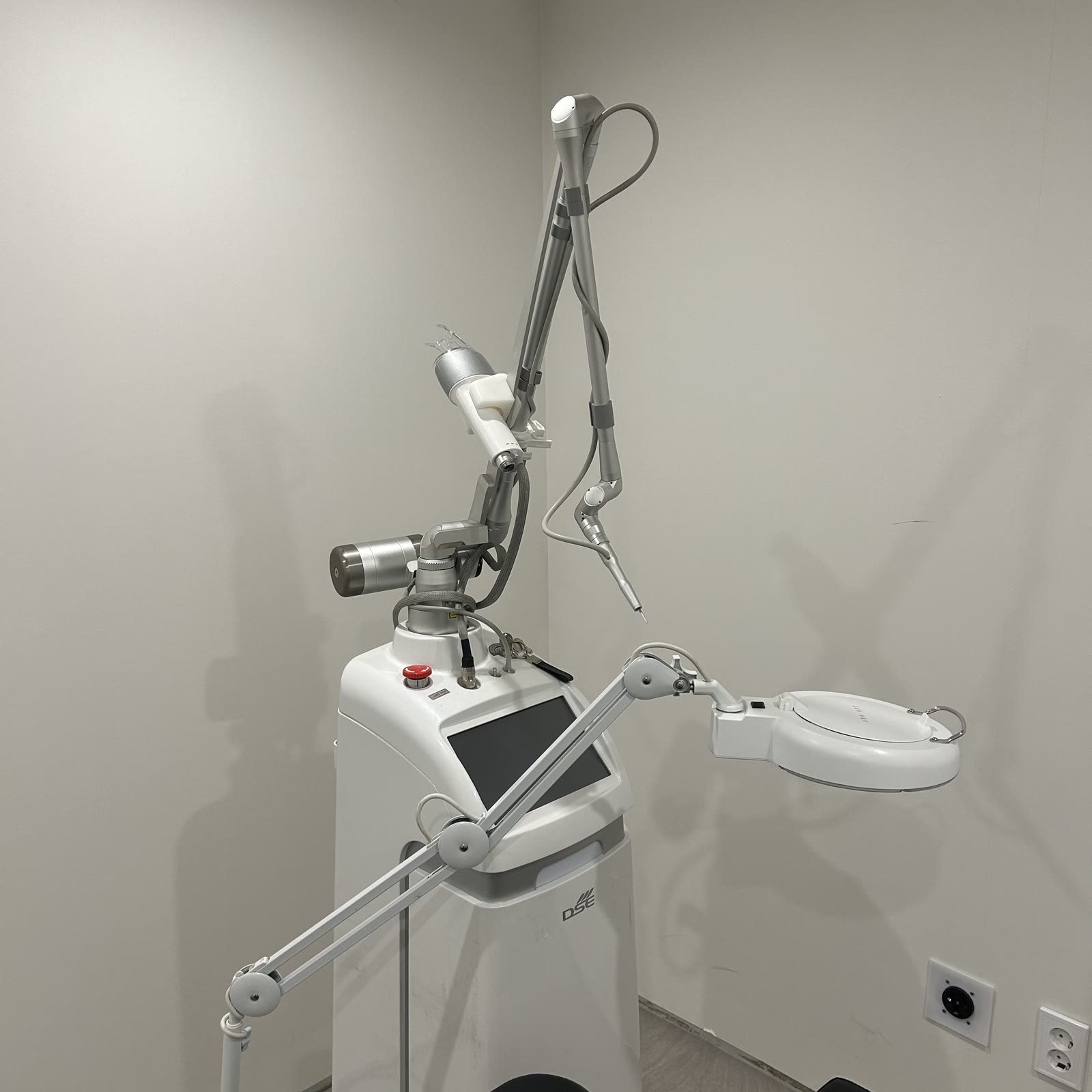
If you want to remove moles on your face but worry about scarring, it is worth first checking the depth of the moles and recovery care. A CO2 laser uses the property that light at a wavelength of 10,600nm is absorbed by water in the skin to vaporize mole tissue and shave it away in thin layers, and it is used to treat lesions such as moles, milia, and skin tags.
What determines scarring after mole removal is the depth and size of the mole, how deep it is shaved at once, and how scabs and UV exposure are managed during recovery. At our Suwon clinic, we first look at the size, color, borders, and how raised each mole is in consultation, and separate moles to treat at once from those to treat over several sessions.
In this article, we outline in turn why each mole has a different depth, the types of scars after mole removal and why they form, how CO2 lasers work and the treatment steps, care after mole removal, and side effects.
CO2 laser mole removal: key points
- Depending on the depth at which pigment cells gather, moles are divided into flat, shallow moles and moles rooted deep in the dermis.
- A CO2 laser shaves thin layers in turn while checking for pigment, and deep moles are treated over several sessions to reduce the risk of depressed scars.
- Red marks after scabs fall off are not scars but part of the recovery process, and they gradually fade over 1 to 2 months.
- When treating a deep mole again, we wait 1 to 3 months after the treated area has fully recovered.
Why does each mole have a different depth?
A mole is a lesion formed when cells that produce melanin pigment gather in one spot. If these cells gather at the border between the epidermis and dermis, the mole is flat and shallow; if they extend down into the dermis, the mole becomes raised or stays dark even over time.
Even if moles look the same size on the surface, their roots differ in depth. Raised moles, moles with hair growing from them, and large moles present since childhood often extend deep into the dermis, making them hard to treat in a single session.
What types of scars can form after mole removal, and why?
Marks left where moles were removed form for different reasons depending on the type. The table below shows commonly used criteria.
| Type | Why it forms | Conditions that make it more likely |
|---|---|---|
| Depressed scars | New tissue does not fully fill in where the skin was shaved deeply | When a mole deep in the dermis is shaved deeply all at once |
| Raised scar | The wound heals excessively | Keloid-prone skin, and areas where the skin is under tension, such as the chest, shoulders, and jawline |
| Brown hyperpigmentation | Pigment production increases during recovery | When scabs are forcibly removed or the skin is exposed to UV during recovery |
| Red marks | Not a scar but a reaction during recovery | Gradually fades over 1 to 2 months |
Recurrence, where a mole comes back, is a different problem from scarring: pigment cells left deep in the skin produce color again over time. Something that looks like a mole may be a different pigment condition such as seborrheic keratosis, lentigo, or melasma, and moles that have changed in shape, color, or size over a short period, have irregular borders, or bleed are not removed right away with a laser; we first check whether a biopsy is needed.
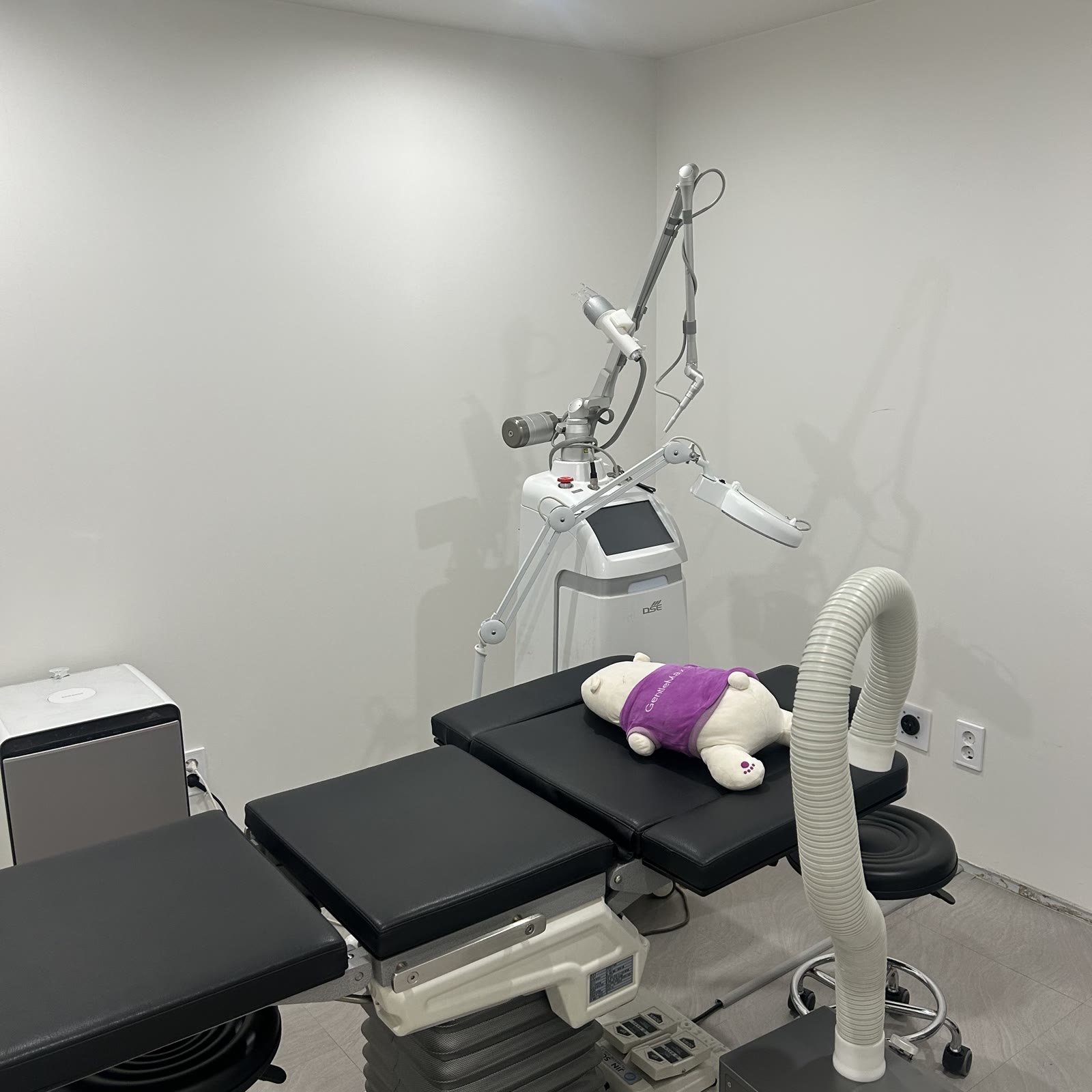
How CO2 laser mole removal works and the treatment steps
The principle of deciding depth while shaving in thin layers
When laser light reaches the skin, water in the tissue absorbs the heat and instantly turns into vapor, and the mole tissue in that spot evaporates along with it. Rather than digging deep all at once, thin layers are shaved in turn while checking whether pigment remains, and the heat also seals small blood vessels to reduce bleeding. Chasing the pigment all the way down reduces recurrence but increases the risk of a depressed scar, while stopping too shallow lets color return from the remaining cells, so this balance is set differently for each mole.
Before the procedure, numbing cream is applied to dull sensation, and when the laser touches the skin, you briefly feel a sting and heat, and there may be a burning smell as the tissue vaporizes. If there are many moles or sensitive areas such as the sides of the nose and around the eyes are included, we take breaks during the procedure.
Treatment steps at our Suwon clinic
- Personalized Consultation
- Photos (Before Treatment)
- Numbing Cream
- Treatment
- Photos (After Treatment)
- Finishing Care
Anesthesia is done with numbing cream, and the procedure time depends on the number and range of moles but is within about an hour. The treatment range is divided for the whole face and the whole neck into 50 or fewer, 100 or fewer, and more than 100 moles, and moles on the body are set separately for the front and back. When treating a deep mole again, we wait 1 to 3 months after the treated area has fully recovered.
View CO2 laser mole removal treatment information
Care after mole removal and scar prevention
- Red marks after the procedure are not a side effect but a reaction that appears during recovery, and they gradually fade over 1 to 2 months.
- For 3 to 7 days after treatment, avoid heavy drinking, smoking, saunas and Korean bathhouses, hot baths, and strenuous exercise to prevent inflammation.
- Medication prescribed according to the treated area should be taken consistently for 3 days to help prevent inflammation and relieve pain.
- Even if scabs itch, do not pick them off; let them fall off on their own.
For a few days after the procedure, minimize direct contact of water with the treated area, and if healing tape was applied, care for it as instructed. After the scabs fall off, apply sunscreen consistently while the red marks fade to reduce hyperpigmentation. For scars that have already formed after mole removal, depending on the type, we consider Fraxel laser or scar injections for depressed scars and pigment lasers for brown hyperpigmentation, carried out over several sessions.
Side effects and precautions of CO2 laser mole removal
Oozing, scabs, red marks, and temporary hyperpigmentation may occur at the treated area and gradually fade during recovery. The speed of recovery and the results vary with the depth of the mole and each person's healing response.
Depending on the depth of the mole and your constitution, depressed or raised scars may remain, and deep moles may regain color and require additional treatment. Forcibly removing scabs or getting a lot of UV exposure during recovery increases these risks. If you are prone to keloids, have a medical history such as antibiotic allergies, or are taking blood-thinning medication, be sure to tell us before the procedure.
If the treated area becomes increasingly swollen and hot, pus comes out, or the pain gets worse by the day, please contact the clinic right away.
What is checked before CO2 laser mole removal?
If these apply to you, start with an assessment of mole depth
- You have moles that are raised or have hair growing from them.
- You have large, dark moles that have been there since childhood.
- You have moles that have recently changed in shape, color, or size.
- A mole has come back where one was removed before.
If two or more apply, it is best to first check the depth and nature of the moles. Whether to proceed, and the method and extent of treatment, are decided together in consultation after the medical team's examination.
In short, the key to CO2 laser mole removal is first looking at the depth of each mole, treating deep moles over several sessions, and managing scabs and UV exposure during recovery.
FAQ
Q. Does removing moles with a CO2 laser leave scars?
A. Red marks where scabs have fallen off are not scars but part of the recovery process, and they gradually fade over 1 to 2 months. For deep moles, shaving deeper at once raises the risk of depressed scars, so they are treated over several sessions, and results vary from person to person.
Q. How painful is mole removal?
A. Because numbing cream is applied beforehand, you only briefly feel a sting and heat when the laser touches the skin. If there are many moles or sensitive areas such as the sides of the nose and around the eyes are included, we take breaks and work in sections, and allow enough time for the numbing cream.
Q. Can a mole removed with a CO2 laser come back?
A. If pigment cells left deep in the skin produce color again over time, the mole can reappear in the same spot. In that case, we treat the same spot again 1 to 3 months after the treated area has fully recovered, and deeper moles are more likely to come back.
Q. When do scabs fall off after mole removal?
A. When scabs fall off depends on the depth, size, and location of the mole. Even if they itch, forcibly removing them can easily cause hyperpigmentation or scarring, so leave them until they fall off on their own, and apply sunscreen after they do.
Q. Can existing scars from mole removal be treated?
A. For depressed scars, we consider Fraxel laser, which supports skin regeneration, or scar injections, and for brown hyperpigmentation, pigment lasers. The method is decided based on the depth and color of the scar, when it formed, and your previous treatment history, and treatment is divided into several sessions.
Q. How can I find out the cost of CO2 laser mole removal?
A. The cost depends on the number of moles and the treatment area. We explain it after confirming in consultation how many moles on the face, neck, or body will be treated, and you can also check items by treatment range on the treatment information page.
This content is provided as general treatment information and is not a substitute for diagnosis or treatment. Always consult a medical professional to decide whether and how to proceed with a treatment.