


Cigarette burn scars: how much can laser fade them and how are they treated?
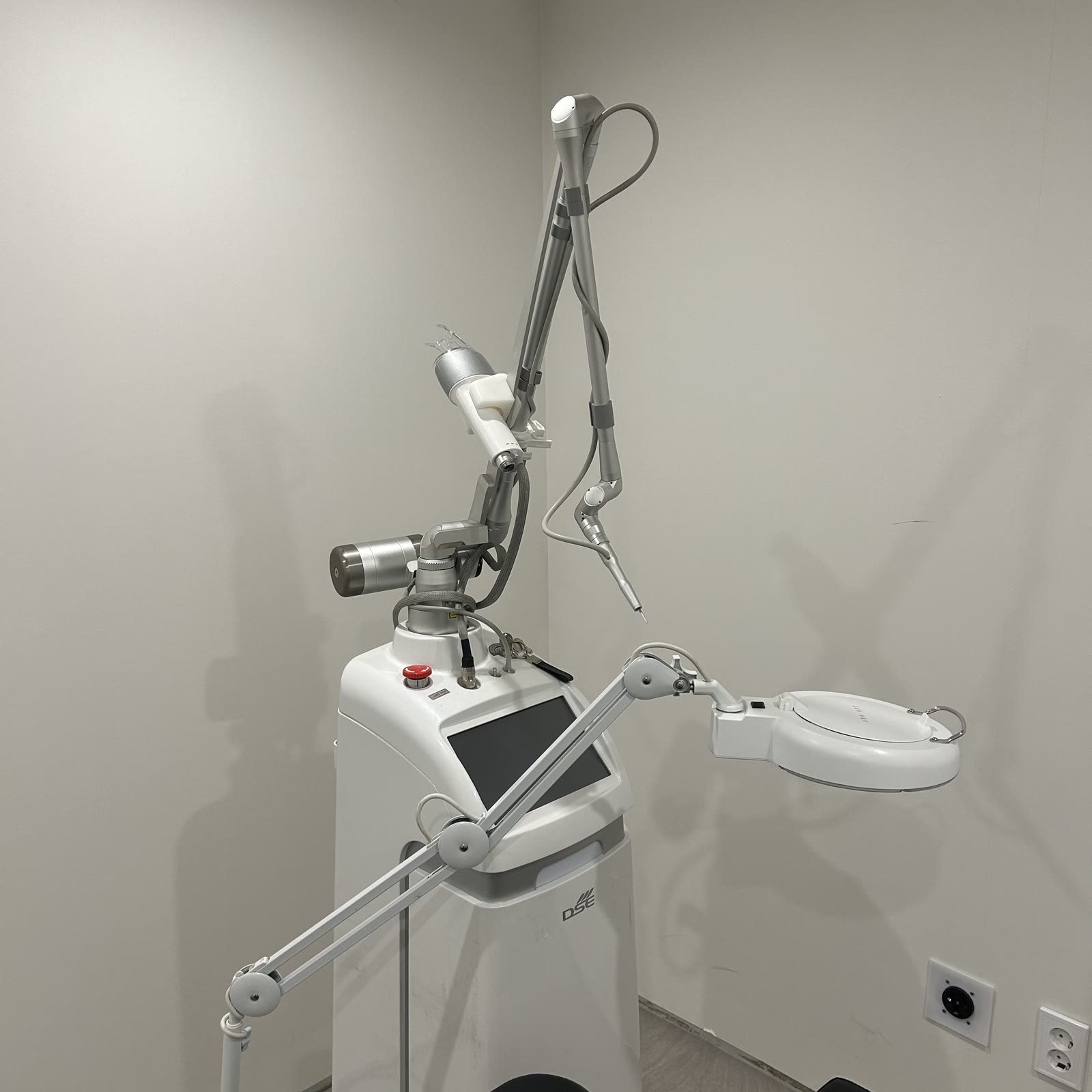
A cigarette burn scar is a scar left in a round shape from a deep burn caused by a lit cigarette touching the skin. If the burn reached the dermis, it is difficult to erase it without a trace with laser, so the goal is to refine the depression, height, and color to be closer to the surrounding skin. The method used depends on whether the scar is depressed, raised, or has turned white or brown.
Why do cigarette burn scars remain round?
A lit cigarette briefly applies high heat to a small area, creating a round burn of consistent diameter. If the burn stays in the epidermis, only color remains and then fades, but if the dermis is damaged, the area where collagen collapsed becomes depressed, or collagen builds up excessively during healing and the area rises.
The color also changes. Areas where melanocytes were damaged remain whiter than the surroundings, and areas where pigment increased after inflammation remain brown. It is also common for a single scar to have both depression and color change.
How does treatment differ by the shape of a cigarette burn scar?
For depressed scars, lasers such as CO2 fractional, which create microscopic holes in the skin to promote dermal regeneration, are performed over multiple sessions. If the base is firmly tethered, releasing the area under the scar or filling the base with scar filler is considered together. For raised scars, the plan is to reduce thickness with scar injections and smooth the surface with laser.
At our Suwon clinic, CO2 fractional is performed after numbing cream, with a standard of at least 3 to 5 sessions at 1-month intervals. If the scar is large or deep and laser alone seems likely to produce only a small change, we also assess during the examination whether a surgical approach such as excision is appropriate.
Recovery and care after laser for cigarette burn scars
After CO2 fractional, you can wash your face from the next day, and fine flaking, warmth, redness, and dryness appear and then subside. Don't pick at the flakes; let them fall off naturally, and keep applying moisturizer and sunscreen. Sun exposure during recovery can cause pigmentation, making the scar look darker.
Results and recovery speed vary depending on the depth of the scar and the individual. If oozing or pus appears after the procedure, or redness and pain keep getting worse, please contact the clinic. If you have had keloids or frequently recurring herpes simplex, please let us know before the procedure.
C-Section Scar Laser in Suwon: When Should It Start and How Is It Treated?
View CO2 Fraxel Treatment Information
FAQ
Q. Are cigarette burn scars harder to treat if they are old?
A. Old scars can also be treated to refine the surface height and color. However, scars that have firmly set may need more sessions than recent ones, so we plan after checking the depth and firmness of the scar through an examination.
Q. My cigarette burn scar has remained white. Will the color come back?
A. In areas left white because melanocytes were damaged, it is difficult for laser to recreate color. We plan to soften the scar's edges with fractional laser to reduce the difference from the surrounding skin, and the degree of change depends on the condition of the scar.
Q. How many laser sessions do cigarette burn scars need?
A. CO2 fractional is based on at least 3 to 5 sessions at 1-month intervals. If the scar is deep or there are several, more sessions may be needed, and at each session we compare changes in depression and color using photos taken under the same lighting to decide whether to add injections or scar filler.
This content is provided as general treatment information and is not a substitute for diagnosis or treatment. Always consult a medical professional to decide whether and how to proceed with a treatment.