


Aqua Peel or Lala peel: Which Peel Is Right for Your Skin?
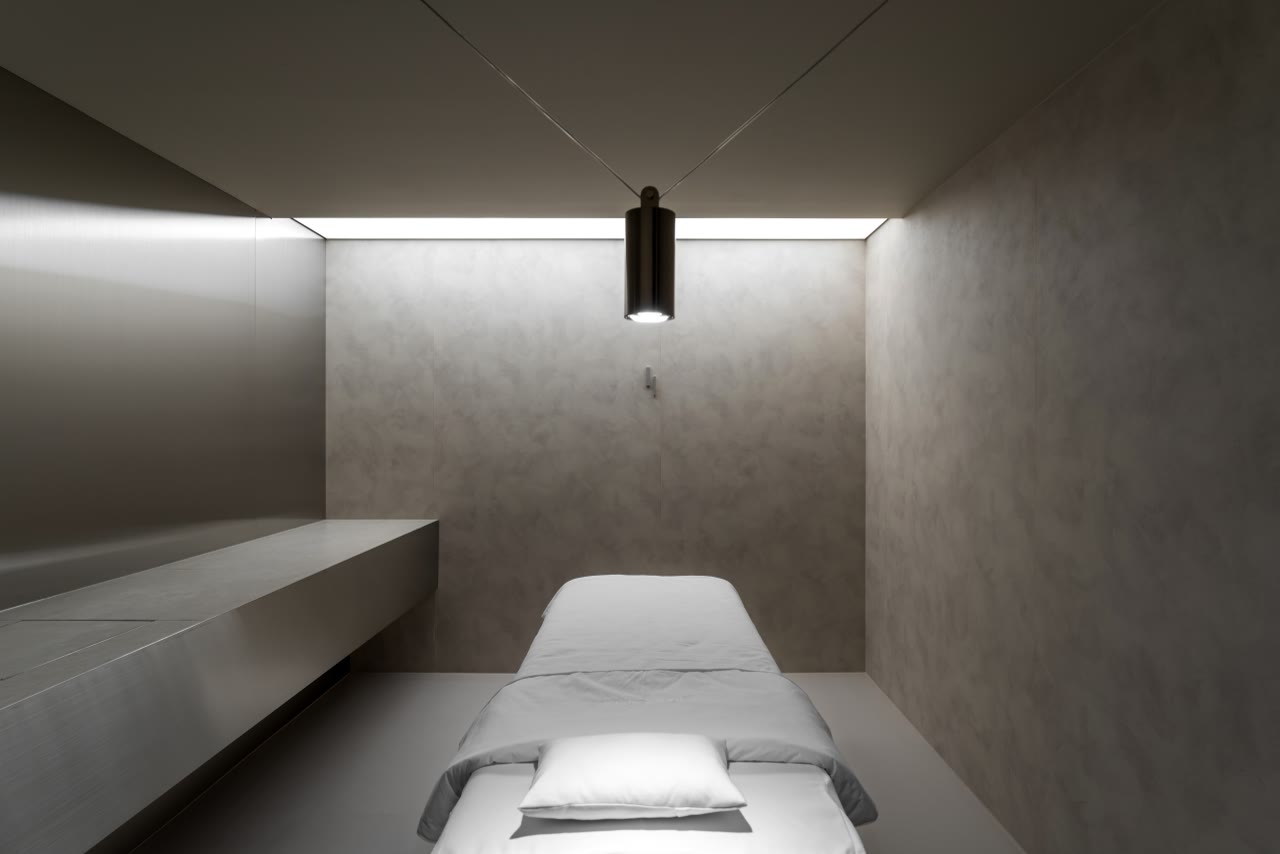
If sebum and blackheads are your main concern, consider Aqua Peel first, which extracts impurities from within the pores; if dryness and sensitivity come first, consider Lala peel, which gently dissolves dead skin cells.
Both treatments refine dead skin cells and skin texture, but they differ in how they address dead skin cells and in their finishing steps. If you aggressively strip away dead skin because your makeup isn't sitting well, the skin barrier can weaken, making redness and stinging more likely. That's why, with peels, we first look at whether your skin can currently tolerate stimulation, rather than how strongly to exfoliate.
Why Dead Skin Cells Build Up
Skin renews itself by producing new cells and gradually shedding old dead skin cells. When this cycle is disrupted, the surface becomes rough.
- UV rays and friction: Continued exposure to UV rays, dry air, and frequent friction can cause the skin to thicken its outer layer of dead skin cells to protect itself.
- Sebum and clumped dead skin cells: In oily skin, dead skin cells and sebum tend to clump at the pore openings, making blackheads and whiteheads more likely to form.
- Frequent at-home peeling: Frequent scrubbing or strong peels may make skin look smooth for a moment, but the barrier weakens and dead skin comes back a few days later.
How Aqua Peel Works
A treatment that uses a special solution together with a device to dissolve and extract impurities from within the pores. Rather than scrubbing the skin harshly, it clears the skin step by step with a 3-step solution.
- Dead skin removal and pore cleansing: The first step tidies up loose dead skin cells and cleanses the pores.
- Clearing impurities: Sebum and impurities remaining in the pores are dissolved and extracted with the device.
- Delivering hydration and selected ingredients: The final solution delivers hydration and the selected ingredients to finish the treatment.
How Lala peel works
A peel using an ingredient developed by L'Oréal that combines LHA with an alkaline component. LHA (lipohydroxy acid) is a derivative of salicylic acid; it dissolves well in oil and penetrates the skin gradually.
- Dissolving approach: Rather than forcibly peeling off dead skin, it dissolves it gradually. It works toward restoring the normal cycle and function of skin shedding.
- Replenishing approach: While dissolving dead skin, it delivers active ingredients deep into the skin and soothes it. The procedure concludes with a regeneration laser and a Soothing Mask.
Aqua Peel vs. Lala peel
| Category | Aqua Peel | Lala peel |
|---|---|---|
| How dead skin is handled | Dissolves with a solution, then extracts with a device | Dissolves gradually with LHA |
| Steps | Exfoliation and pore cleansing, impurity extraction, moisture supply | Self-Cleansing, Basic, Ultra, Self-Cleansing, regeneration laser, Soothing Mask |
| Anesthesia and duration | No anesthesia; approximately 1 hour | About 1 hour |
| Return to daily life | Possible right away | Possible right away |
| Points to note after treatment | Avoid high-heat exposure such as saunas and jjimjilbang (Korean spas) for about a week | Drink water frequently to stay hydrated |
| Interval | 1–2 week cycle | Determined within 1–4 weeks based on skin response, depending on the type of peel |
Choosing a peel by skin concern
1. Skin with excess sebum and blackheads on the nose and forehead
- Recommended treatment: Aqua Peel
- Recommended interval: 1 to 2 weeks
- Characteristics: Blackheads are influenced by both sebum production and pore structure, so the treatment is repeated at set intervals while monitoring pore condition.
2. Skin that feels tight after cleansing and reddens easily
- Recommended treatment: Lala peel
- Recommended interval: Adjusted within 1–4 weeks based on skin response
- Characteristics: If your skin becomes rougher a few days after exfoliation, the issue may be a weakened protective barrier rather than dead skin. Sensitive skin that has found conventional peels too harsh is also assessed.
3. Skin that looks shiny on the surface but feels tight underneath
- Recommended treatment: Start with one, based on your skin condition on the day
- Characteristics: Skin that lacks moisture yet produces excess sebum is cited as suited to Lala peel. Rather than receiving both treatments at once, the combination is adjusted at the next session based on your skin's response.
4. Skin where makeup flakes due to dead skin
- Recommended treatment: Aqua Peel or Lala peel
- Characteristics: Both treatments address this concern. The choice depends on whether excess sebum or dryness accompanies it.
Precautions on the Day of Treatment
- Apply sunscreen thoroughly when you go out.
- If your skin feels dry, reapply a hydrating cream and moisturizer frequently.
- If any redness or dryness remains, please keep your makeup light.
What to Avoid for One Week
- High-heat exposure after Aqua Peel, such as saunas and jjimjilbang (Korean bathhouses)
- Scrubs and exfoliating products
Aftercare
- Redness or swelling after treatment subsides over time. If redness or stinging worsens day by day, if there is oozing, or if a sensation of heat persists, please contact us right away.
- Please let us know before treatment if you have any skin inflammation or wounds, have recently had another peel or laser treatment, are using any topical or oral medication, or are pregnant or breastfeeding.
Booking and consultation
At FACEFILTER Clinic Suwon, Aqua Peel is offered in 1-, 5-, and 10-session packages, and LaLa Peel in 1- and 5-session packages. During your Personalized Consultation, we assess dead skin cells, sebum, pores, and redness together to choose the peel for that day.
This content is provided as general treatment information and is not a substitute for diagnosis or treatment. Always consult a medical professional to decide whether and how to proceed with a treatment.