


Aquapeel results in Suwon: how it clears out sebum and dead skin cells, and how often to get it
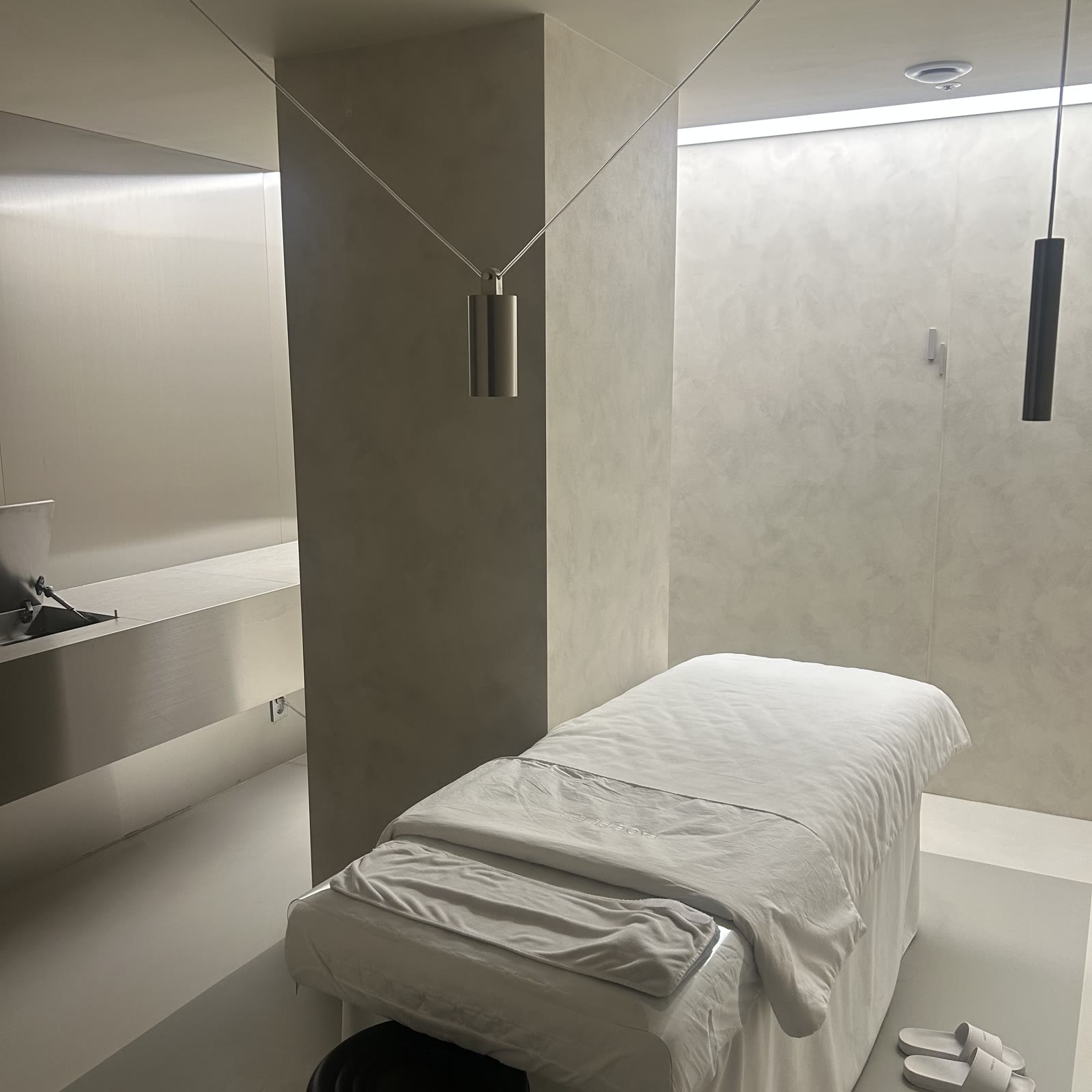
If you are bothered because blackheads on your nose and chin quickly fill back in and your makeup flakes because of dead skin cells, knowing first how this treatment works makes it easier to set realistic expectations. Aquapeel is a skin care treatment that uses solutions to dissolve hardened dead skin cells and sebum at the pore openings, suctions out the solution and impurities together with a handpiece, and then replenishes moisture.
The effect of Aquapeel lies not in changing pore size or scars but in periodically clearing out accumulated dead skin cells and sebum. Right after the treatment, old dead skin cells and sebum have been removed, so your skin may feel smooth, but sebum keeps being produced and builds up again. At our Suwon clinic, during consultation we first look at the amount of sebum, the thickness of dead skin layers, sensitivity, and whether there is acne inflammation, and then decide the care steps and frequency.
In this article, we go through how sebum and dead skin cells are removed, how your skin feels afterward and when the effects may be hard to notice, the treatment process and frequency, how to care for your skin, and side effects.
Key points about Aquapeel results
- Aquapeel is a 3-step treatment that dissolves dead skin cells and sebum with solutions, suctions them out with negative pressure, and then replenishes moisture and soothing ingredients.
- On the day of treatment, surface dead skin cells and sebum at the pore openings are removed so your skin may feel smooth, but sebum fills back in.
- Enlarged pore size, indented scars, and pigmentation such as melasma do not change with this treatment, so we discuss other treatments separately.
- The care frequency recommended at our Suwon clinic is every 1 to 2 weeks.
How does Aquapeel remove sebum and dead skin?
The outermost layer of skin, the stratum corneum, is renewed and shed in a regular cycle. When this cycle slows down, old dead skin piles up in layers and the skin looks rough and dull, and as pore openings become clogged, sebum collects and forms blackheads and whiteheads.
The treatment first softens the clogged openings with a solution. Next, the tip of the handpiece sprays the solution while suctioning with negative pressure at the same time, drawing out dissolved dead skin cells and sebum from inside the pores along with water. In the final step, moisture and soothing ingredients are applied to calm the sensitized skin and finish the treatment.
Squeezing by hand or peeling off nose strips concentrates force around the pores and can leave wounds or red marks. This treatment removes impurities with solution and suction without pressing on the skin, so it is easier to treat the entire face evenly, and even thin skin that reddens easily can receive it by adjusting the steps and suction strength.
Aquapeel results: how your skin feels afterward and when the effects may be hard to notice
Even with the same Aquapeel, how your skin feels afterward depends on your skin condition and the changes you expect. The table below divides the scope that Aquapeel covers by concern.
| Concern | What the treatment does | Methods discussed separately |
|---|---|---|
| Blackheads and whiteheads | Dissolves and removes sebum and dead skin cells at the pore openings | Adjust frequency if sebum fills in quickly |
| Rough dead skin and makeup flaking | Removes old dead skin cells | Moisturizing care |
| Enlarged pore size and indented scars | Only empties the contents of the pores | Laser or radiofrequency treatment |
| Melasma and blemishes | Does not change color | Pigment laser |
On the day of treatment, your skin may feel smooth to the touch and the pore openings on your nose and chin may look less dark, though the degree varies with skin condition. Red, pus-filled inflammatory acne can become redder from suction irritation, so we proceed after first calming the inflammation. If you have oily skin that fills with sebum quickly but leave long intervals between sessions, blackheads return to their original state before the next session, making changes hard to notice.
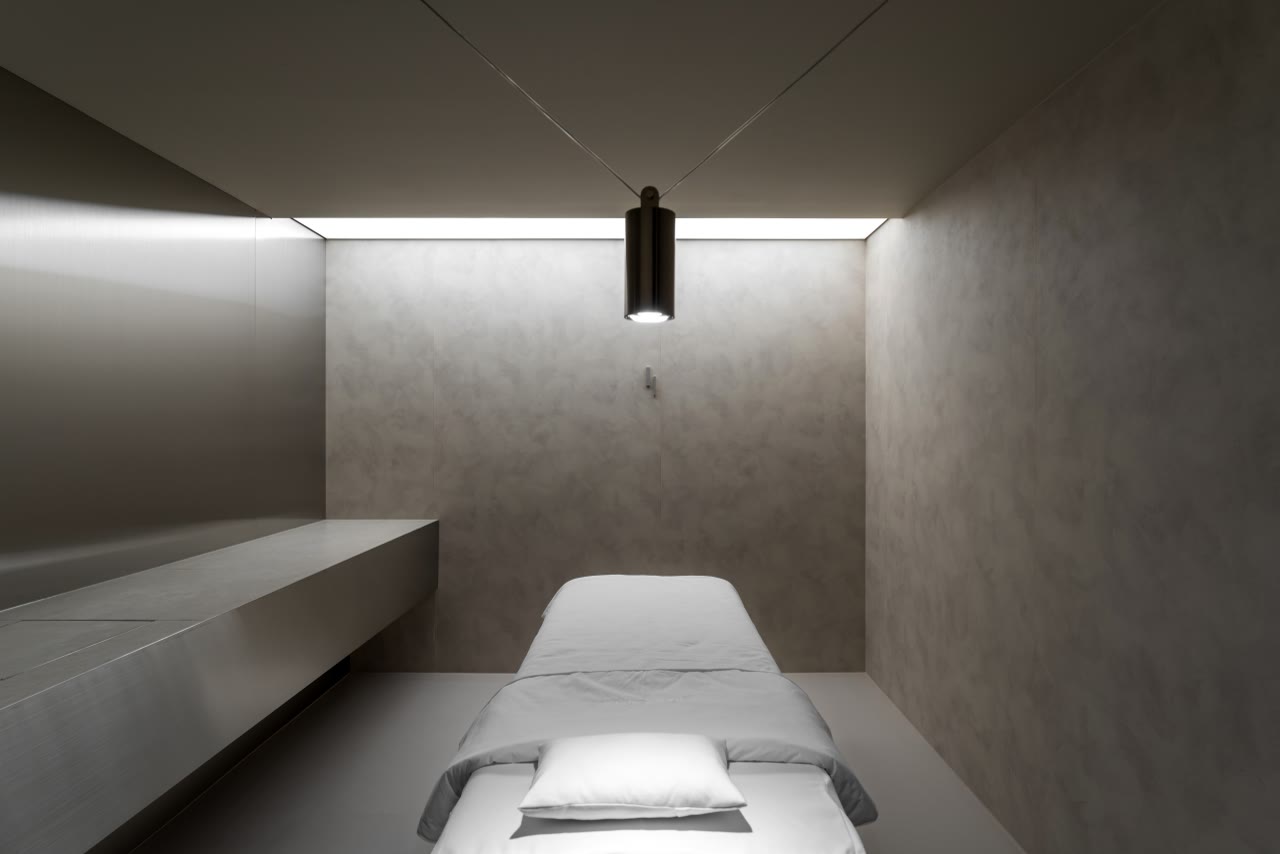
How is Aquapeel performed?
What each step does
The first step dissolves dead skin cells and cleans the pore openings, and the second step focuses on suctioning out impurities from inside the pores. In the final step, moisture and designated ingredients are supplied to finish. For skin with thick dead skin layers we put more care into the first step, and for oily areas such as the nose and forehead we put more care into the second step.
Treatment steps at our Suwon clinic
- Personalized Consultation
- Exfoliation and pore-cleansing step
- Deep pore-purifying step for drawing out impurities
- Hydration and nutrient replenishment step
- Finishing Care
It takes about 1 hour without anesthesia, and you can return to daily life right after. The care frequency is every 1 to 2 weeks; for oily skin the interval is shorter, and for thin, sensitive skin the interval is set while watching the skin's response. Aquapeel is available in 1-, 5-, and 10-session packages, and there is also a Quick Aquapeel option done briefly with solutions 1 and 2.
Skin care after Aquapeel
- For about a week after the treatment, avoid places that expose the skin to heat, such as saunas and jjimjilbang (Korean bathhouses).
- If your skin feels tight or dry, reapply moisturizing cream or hydrating cream often.
- Apply sunscreen thoroughly when you go out.
- On the day of treatment, do not rub your face hard, and take a short break from scrubs and exfoliating products.
This is not a treatment that fixes your skin condition in a single session, but one that periodically removes sebum and dead skin cells as they build up again. At home, dissolving sebum with double cleansing and moisturizing consistently can help maintain your skin condition until the next session.
Side effects and precautions for Aquapeel
A common reaction is redness or swelling of the skin after the treatment, which subsides over time. A stinging or dry feeling may also occur, and the degree and duration of these reactions vary from person to person depending on skin condition.
Getting the treatment too often or overlapping it with other exfoliating treatments can weaken the skin barrier and increase sensitivity and redness. In rare cases, pigmentation may remain where the skin was irritated, and heavy sun exposure increases this risk. Please let us know before treatment if you are taking oral acne medication (isotretinoin), are pregnant, or have wounds, herpes, or severe inflammation in the treatment area.
If you notice anything unusual after the treatment, such as redness and a burning sensation that continue without easing, blisters or oozing, or itching and swelling that keep getting worse, please contact the clinic right away.
What do we check before Aquapeel?
In these cases, start by having your skin condition checked
- The blackheads on my nose and chin quickly fill back in even after I squeeze them.
- I have so much sebum that my skin gets shiny by the afternoon.
- My makeup often flakes because of dead skin cells.
- I have several red, pus-filled pimples.
If two or more of these apply, it is best to first check your sebum level, sensitivity, and whether you have acne inflammation before receiving the treatment. Whether to proceed, the method, and the frequency are decided together during consultation after an examination by our medical staff.
In short, Aquapeel is a treatment that clears out sebum inside the pores and old dead skin cells, so the key is to first confirm the scope of what you can expect and to set the frequency according to how quickly sebum fills in.
FAQ
Q. How often should I get Aquapeel?
A. The care frequency recommended at our Suwon clinic is every 1 to 2 weeks. Oily skin with a lot of sebum is treated at shorter intervals, while for thin, sensitive skin the interval is set by checking whether redness lingers, and we schedule sessions so they do not overlap with other exfoliating treatments.
Q. Will one Aquapeel session get rid of blackheads?
A. On the day of treatment, blackheads may look less visible because sebum has been removed from inside the pores. The sebaceous glands keep producing sebum, so the pores fill back in over time, which is why rather than a single session, we manage it by setting a frequency based on how quickly sebum fills in.
Q. Does Aquapeel reduce pore size?
A. It is a treatment that empties the contents built up inside the pores, so it cannot reduce the size of pores that have already enlarged. If pore size or indented scars are your concern, we look together at laser or radiofrequency treatments during consultation and decide the order.
Q. Can I get it when I have acne?
A. Non-inflammatory acne such as blackheads and whiteheads is within the scope of this treatment. If you have a lot of red, pus-filled inflammatory acne, it may become redder from suction irritation, so we proceed after first treating the inflammation.
Q. Can I wear makeup right after Aquapeel?
A. You can return to daily life immediately after the treatment. However, your skin may be sensitive on the day of treatment, so it is best to avoid scrubs, exfoliating products, and heavy makeup, and to moisturize and protect against the sun more thoroughly than usual.
Q. How can I find out the cost of Aquapeel?
A. The cost depends on the treatment package and number of sessions. We provide the details after confirming during consultation whether you will receive Aquapeel alone or together with soothing care or other treatments, and you can also check the items by number of sessions on the treatment information page.
This content is provided as general treatment information and is not a substitute for diagnosis or treatment. Always consult a medical professional to decide whether and how to proceed with a treatment.