


Acne Extraction in Suwon: Why Shouldn't You Squeeze at Home, and How Should Pimples Be Cleared?
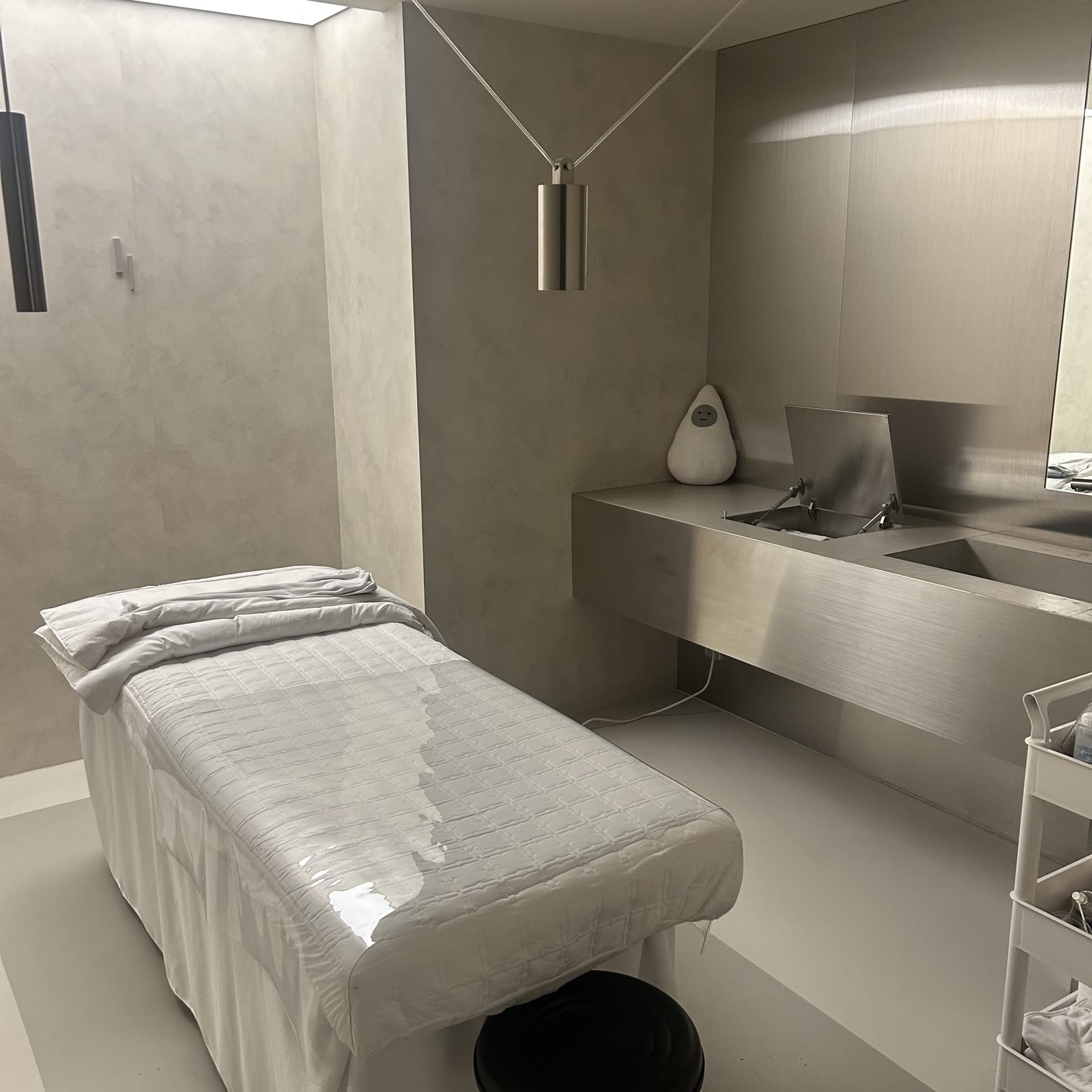
If you squeezed a white, raised pimple by hand while looking in the mirror and the red mark stayed for a long time, it is worth first learning how acne extraction should be done. Acne extraction is a procedure that opens the pore and clears the sebum and pus trapped inside; it is performed with sterile instruments on disinfected skin, only on pimples at a stage where extraction is appropriate.
The reason you should not squeeze at home is that you cannot control the depth and direction by hand. When you press with your fingernails, some of the contents are pushed into the skin and the inflammation spreads sideways, easily leaving red marks and depressed scars. At our Suwon clinic, before extraction we first look at the stage of each pimple and whether a pus head has formed, and then separate the lesions to be extracted from those to be calmed with anti-inflammatory injections.
This article walks through why squeezing at home leaves scars, how to tell which pimples can be extracted, the in-clinic extraction process and steps, care after extraction, and side effects.
Key Points on Acne Extraction
- Squeezing by hand can push sebum and pus into the dermis, spreading inflammation and leaving scars and pigment.
- Whiteheads, blackheads, and pustular pimples with a raised pus head are extracted, while red, firm nodules are not.
- Most gray dots on the nose are sebaceous filaments that fill back up even if squeezed, so they are managed with pore-cleansing care.
- Do not touch extracted areas on the day of treatment, and avoid saunas, alcohol, and strenuous exercise for 2 to 3 days.
Why does extracting acne at home leave scars?
The sebum and pus in a pimple collect not on the skin surface but deep inside the pore near the sebaceous gland. If you press hard on both sides before the opening is open, the contents tend not to come up but instead burst through the weakened pore wall and spread into the surrounding dermis. Bacteria on your hands and nails can also get into the wound and cause a secondary infection.
Inflammation that spreads into the dermis breaks down collagen, and if it is not refilled after the inflammation subsides, a pitted scar forms. Spots squeezed repeatedly keep brown pigment for a long time, and pore openings can harden in a stretched state, becoming enlarged pores.
Squeezing red, firm acne that is not yet ready produces nothing and only leaves a wound. The areas around the eyes, mouth, and nose have thin skin and many blood vessels, so they require particular care.
How can you tell which pimples can be extracted?
| Type | Shape | Extraction |
|---|---|---|
| Whiteheads (closed comedones) | Small white raised bumps with a closed opening | Cleared after making a tiny opening |
| Blackheads (open comedones) | The opening is open and the sebum oxidizes and looks black | Cleared relatively easily but fill back up |
| Pustular acne | A yellow pus head has fully risen | Extracted depending on condition to relieve pressure |
| Nodules and cysts | No visible pus head; red and firm | Not extracted; calmed with anti-inflammatory injections and medication |
Many of the gray or yellowish dots visible on the nose are sebaceous filaments. They are a normal structure in which sebum and dead skin fill the pore like a column, so they fill back up even if squeezed out, and pulling them out each time with nose strips or by hand stretches the pore openings. Blackheads are darker and more prominent than these and vary in size.
Some lesions are easily mistaken for acne. Nevus sebaceous is a yellowish, plaque-like lesion present on the scalp or face from birth, so nothing comes out when it is squeezed, and milia, the firm white bumps under the eyes, are also treated with methods other than extraction.
How is acne extraction performed?
How In-Clinic Extraction Works
Before extraction, dead skin and built-up sebum are gently cleared so the openings open more easily. A very small opening is made in the disinfected skin with a sterile instrument, the contents are cleared by guiding them upward, and the treatment finishes with soothing care. Large, swollen lesions are not extracted; instead, anti-inflammatory injections are used to reduce swelling and pain, and for pimples that recur in the same spot, lasers that act on the sebaceous glands are also considered.
If blackheads and nose sebum are your concern, we use care such as Aquapeel, which dissolves dead skin with a solution and a device, removes debris from inside the pores, and then replenishes moisture. Aquapeel takes about 1 hour and is continued every 1 to 2 weeks.
Treatment steps at our Suwon clinic
- Personalized Consultation
- Self-Cleansing
- Treatment
- Finishing Care
Scaling takes about 40 minutes, and you can return to daily life right after. Extraction is performed by choosing the plan that suits your skin from options that add extraction and anti-inflammatory injections (TA) to scaling or Black Peel, or that add extraction and anti-inflammatory injections to lasers such as Neobeam, PDT, Ethosome PTT, or Secret. Depending on the plan, these come in 1, 3, and 5 sessions.
Recovery and Care After Acne Extraction
- On the day of treatment, do not rub hard or touch the extraction sites, and do not squeeze acne with your hands.
- You can wash your face and wear makeup right away; wash with cold or lukewarm water and a gentle cleanser.
- If redness or scabs form, do not force them off; let them fall off on their own.
- Avoid saunas, alcohol, and strenuous exercise for 2 to 3 days after treatment, and avoid scrubs and peels for about a week.
- Since dryness may occur, apply moisturizer often, and apply sunscreen when going out.
Extraction clears lesions that have already formed, so pimples may come back if your skin produces a lot of sebum and clogs easily with dead skin. If they recur in the same spot, it is better to plan treatments or medication that act on the sebaceous glands rather than continuing extraction alone.
Side Effects and Precautions for Acne Extraction
After extraction, redness, mild swelling, tingling, and small scabs may occur, and depending on skin type, temporary breakouts may appear, but these soon subside. Reactions and recovery speed vary from person to person.
Where inflammation was deep, red marks or brown pigment may remain even after extraction, and they last longer the more sun you get. Areas that received anti-inflammatory injections may rarely look slightly sunken, and squeezing extracted areas again by hand increases the risk of deeper inflammation. If you are taking blood-thinning medication, please let us know before treatment.
If an extracted spot swells up again and the pain gets worse, or pus keeps filling and warmth spreads widely, do not squeeze it again at home; contact the clinic.
What should be checked before acne extraction?
If This Sounds Like You, Start by Checking the Stage of Your Acne
- Red or brown marks stay for a long time where I squeezed by hand.
- I have red, firm pimples with no visible pus head that hurt.
- Even when I pull out the black dots on my nose and cheeks every time, they quickly fill back up.
- Pimples keep appearing in the same spot.
If two or more of these apply, it is best to first separate the lesions to be extracted from those to be treated in other ways before squeezing by hand. Whether to have treatment, which method to use, and how wide an area to cover are decided together in consultation after the medical team examines you.
In short, the key to acne extraction is to first identify the stage, clear only the lesions that should be cleared using disinfected instruments, and minimize irritation during recovery.
FAQ
Q. Can small whitehead bumps be removed by extraction too?
A. Small closed-comedone bumps can be cleared by making a tiny opening with a sterile instrument. However, if your skin keeps getting clogged with dead skin, they tend to fill back up, so it is better to continue exfoliation care such as scaling alongside extraction.
Q. Can nose sebum also be removed with acne extraction?
A. Most gray dots on the nose are a normal structure called sebaceous filaments, so they fill back up even if squeezed, and squeezing them repeatedly stretches the pore openings. We manage them to look less visible with care that dissolves dead skin or pore-cleansing care such as Aquapeel.
Q. Does acne extraction hurt?
A. You will feel pressure and tingling while the opening is made and the contents are cleared. Lesions with severe inflammation can feel more painful, so such lesions are sometimes calmed first with anti-inflammatory injections instead of being extracted, and the level of discomfort varies from person to person.
Q. If I keep getting acne extractions regularly, will I stop getting acne?
A. Extraction clears lesions that have already formed, so if your skin produces a lot of sebum and clogs easily with dead skin, pimples may come back in the same spots. If acne keeps recurring, we plan lasers or medication that act on the sebaceous glands together with extraction.
Q. When can I wear makeup after acne extraction?
A. You can wash your face and wear makeup right after scaling and extraction. However, the extracted areas should not be rubbed hard on the day of treatment, so apply cosmetics lightly with a patting motion and gently remove them in the evening with a mild cleanser.
Q. How can I find out the cost of acne extraction?
A. The cost depends on the treatments combined with extraction and the number of sessions. We check your skin during the consultation, including whether to combine it with scaling or Black Peel or to add a laser, and then explain the cost. You can also check the items on our treatment information page.
This content is provided as general treatment information and is not a substitute for diagnosis or treatment. Always consult a medical professional to decide whether and how to proceed with a treatment.